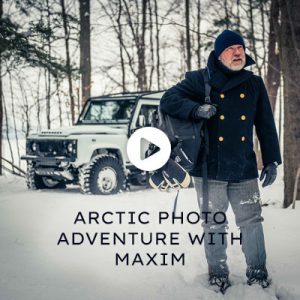
Paul Potratz and Mike take a drive in Enzo the D130 Land Rover Defender and then hike through snow and ice to get some great photos of waterfalls on this adventure. See this Defender here.
A Winter’s Descent: The Frozen Falls Adventure
Snow drifted silently as Paul and I set out on our mission, our boots crunching against the frosted earth. Each of us clutched a camera, hearts pulsing with the possibility of what lay ahead. Our destination: a hidden waterfall Paul had discovered with his dogs last summer. He’d captured striking photos of it then, but now, in the heart of winter, the landscape was changed—unknowable. Would it be a fortress of ice or flowing water beneath the snow? Today, we were going to find out.
The trail was eerily quiet, save for the occasional call of wildlife echoing beyond the treeline. Deep tire tracks marred the icy path. My boots found nothing but slippery resistance when we descended a steep hillside, and the memory of the previous summer’s warmth seemed distant. Paul confessed that his Defender’s mud tires were useless in this frozen terrain, sliding where they once gripped with ease. Still, the going was part of the adventure, a test of patience as much as endurance.
We pressed on, crossing flats where riverside rocks that, in Spring, would be alive with rushing water now lay blanketed in a crystalline silence. Nature had transformed everything. In places, the creek was hidden beneath layers of thick ice, which groaned under our feet. We spotted raccoon handprints and coyote paw marks pressed into the snow, silent reminders that we were not truly alone.
The river itself ran in places beneath a crust thick enough to support our weight, yet alive with the muffled roar of water aching to break free. Paul and I exchanged a glance—if water was flowing here, the main falls might still be partially alive, making for the photographs we traveled to capture.
The landscape grew more dramatic as we approached the waterfall’s ledge: a stark, icy cliff unveiled through the trees, the whitewater beneath locked in glassy stillness. Getting to the base, however, was another matter. The entire hillside was carved by years of moving water and further slicked by fresh ice—no chance of a safe descent by foot. Paul grinned and offered a less-than-reassuring solution: we’d brought a rope, and for the first time, we’d rappel down the frozen face to the base below.
My nerves tightened. I’d never rappelled before. Paul coached me—secure the rope to a sturdy tree, clip in with a grigri, ease over the edge, and trust the old rules of rock and rope. The drop felt vertical, an icy runway straight down. But the promise of an untouched shot—and the thrill—pushed me onward. At the bottom, boots finally landed, adrenaline surging, I was rewarded with a cathedral of ice, the falls shimmering in blues and silvers, water humming beneath armor thick as stone.
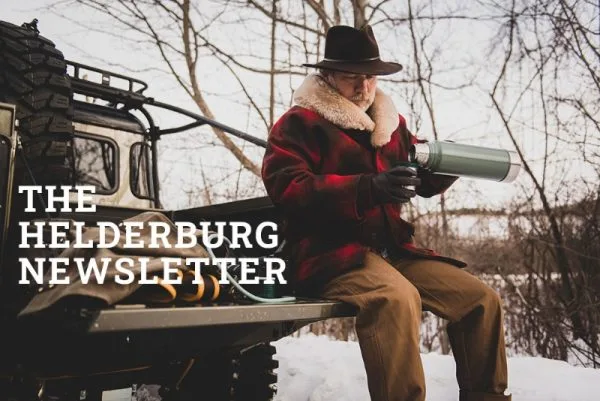
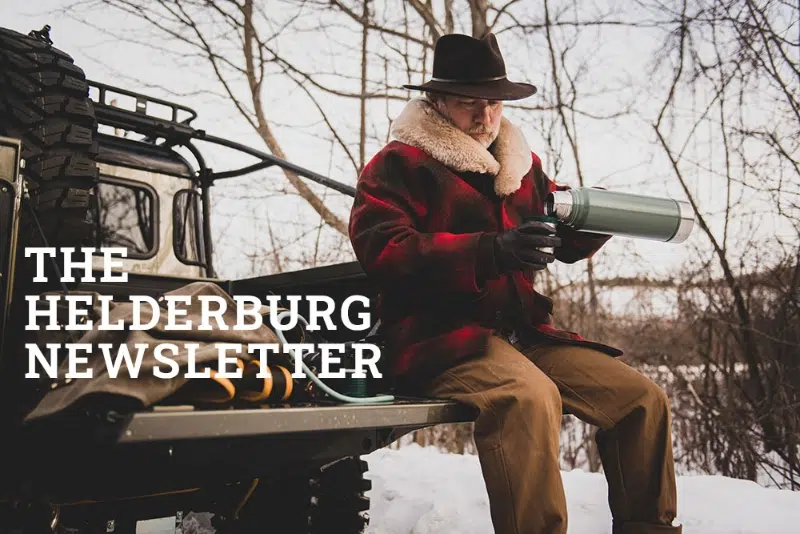
After the shoot, hands numb, we fired up Paul’s old MSR stove. Hot stew was a gift—flavorful, hearty, hardly gourmet, but essential. Together we sat, cheeks tingling from cold, the quiet punctuated by the pop of ice and distant rumbles of water in its winter prison.
Climbing out, the day’s light fading, we found ourselves changed by the journey. Photographs secured, stories ready, and spirits renewed—there’s magic in chasing something hidden, in braving cold and uncertainty only to be rewarded by discovery. The frozen waterfall wasn’t merely a goal—it became a memory processed by frost and camaraderie, chronicled in pictures and the crackling of a winter fire.