The Aurelian Cabin

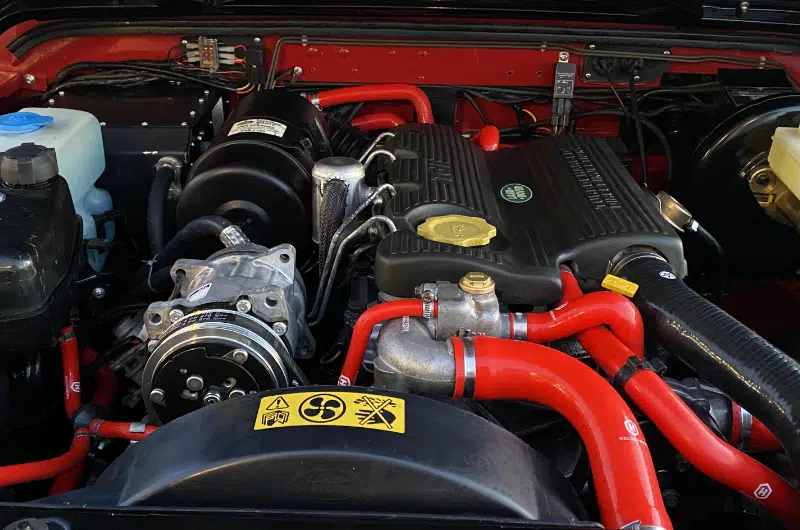
The Custom Defender Interior

Re-engineered for the long drives, and the life that comes back into focus on them.

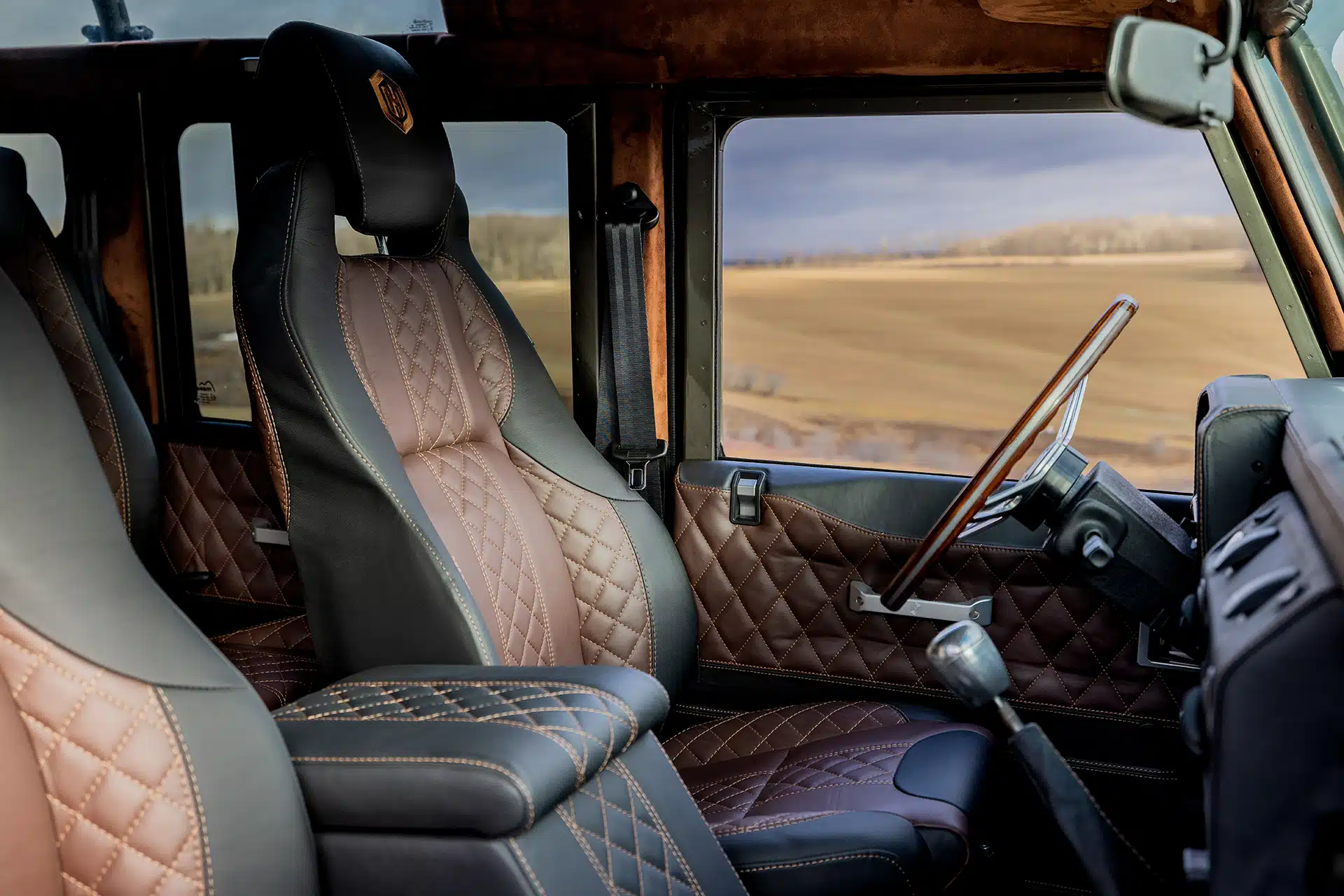
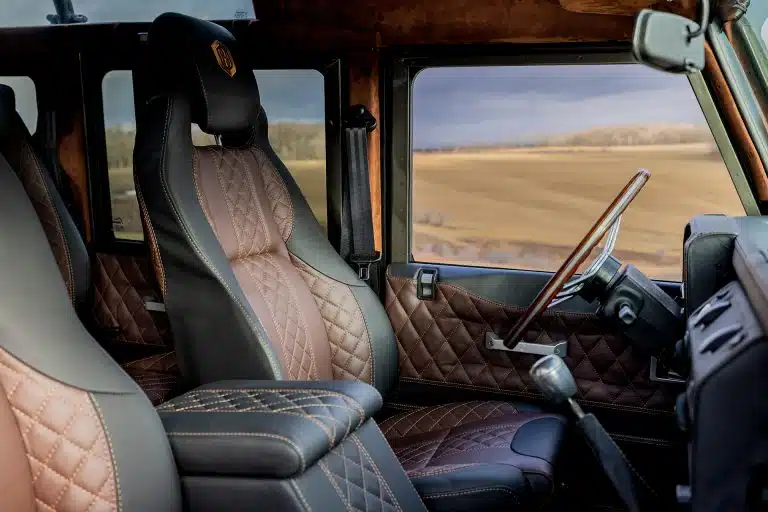
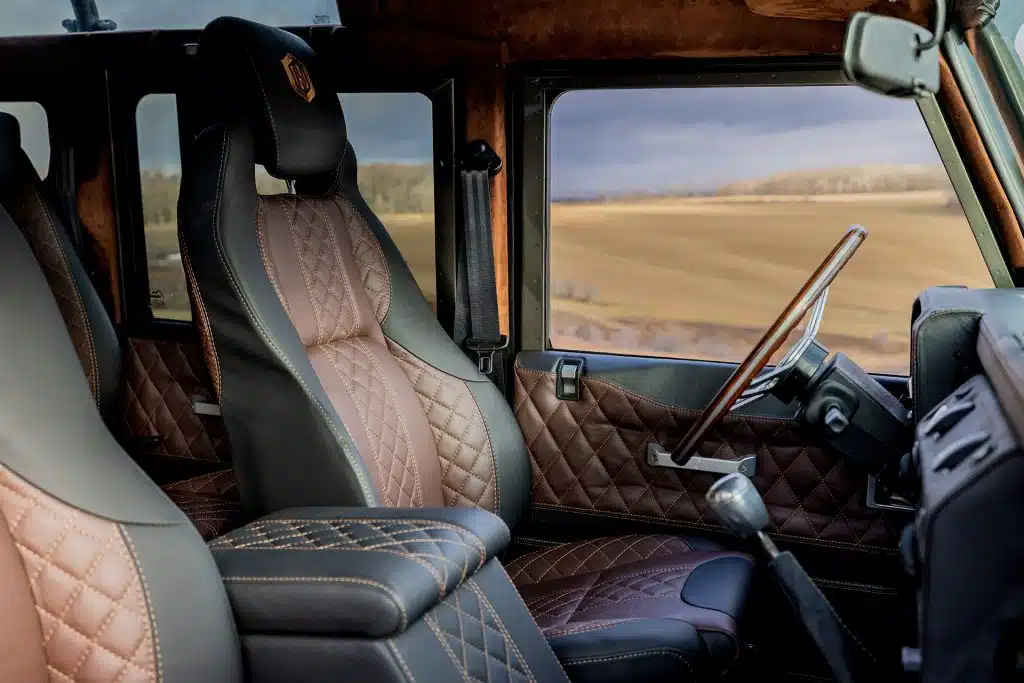
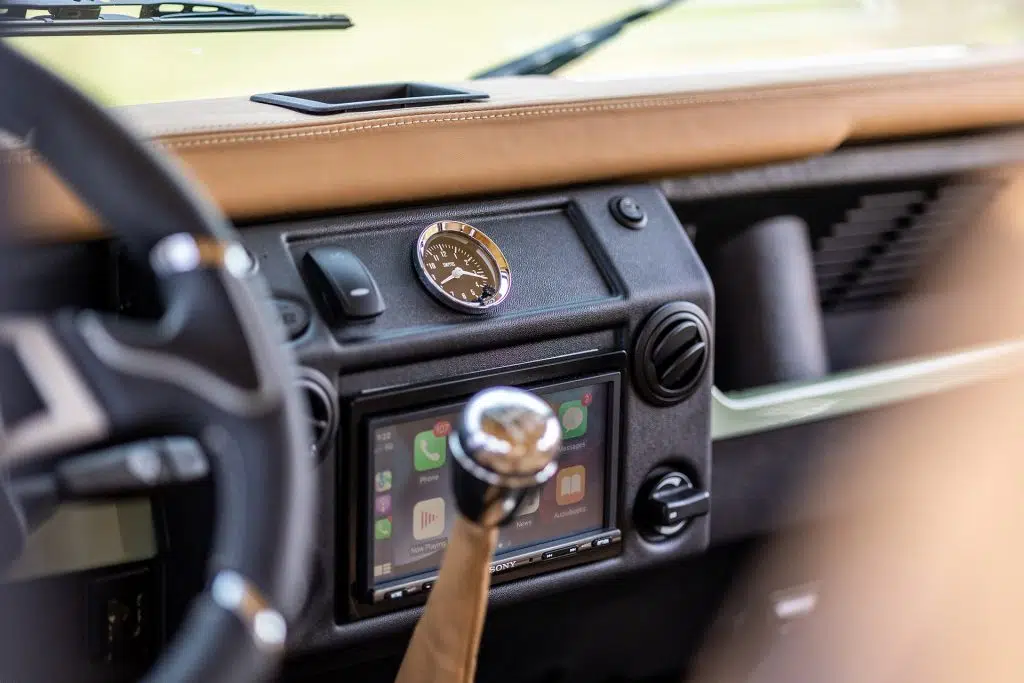
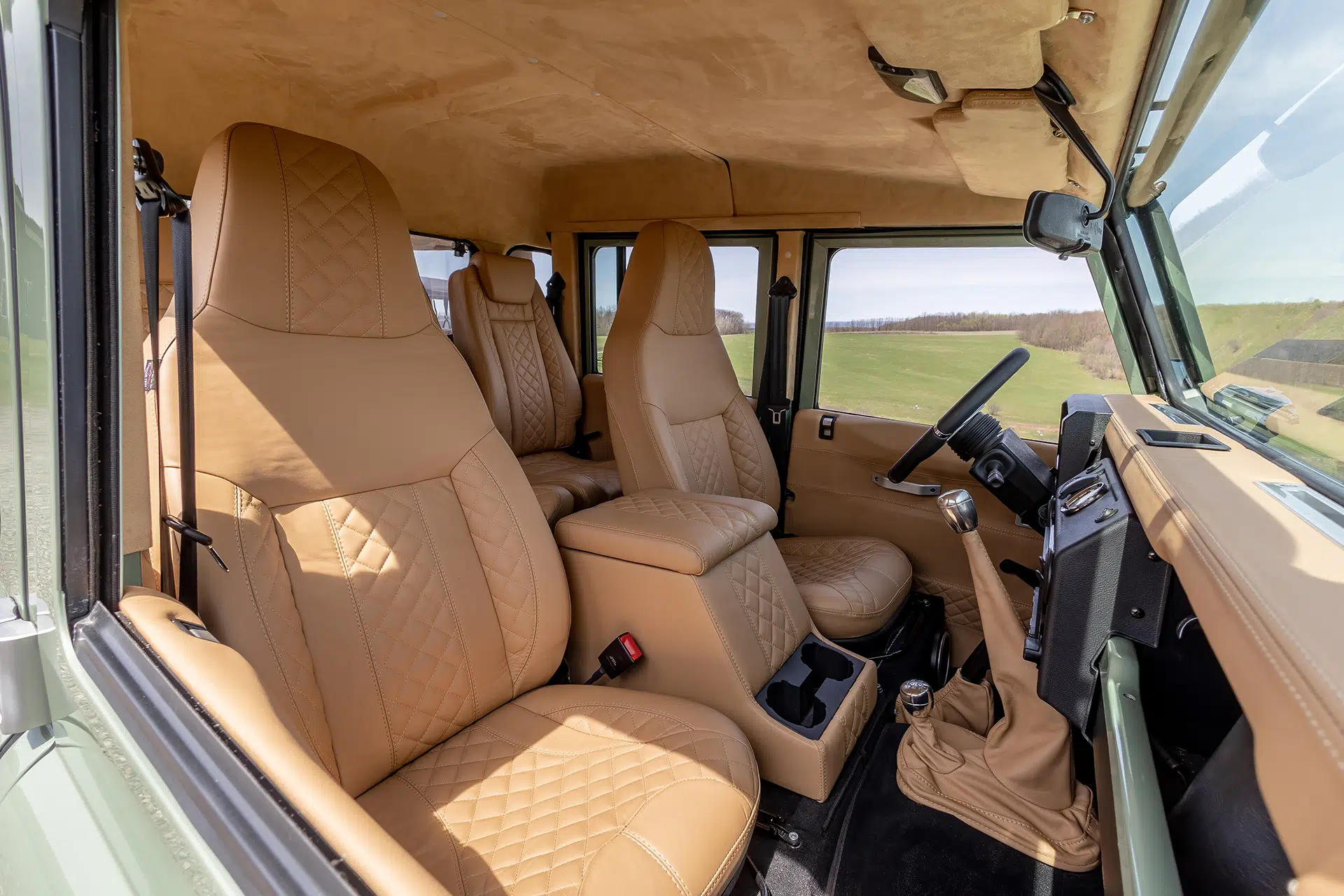
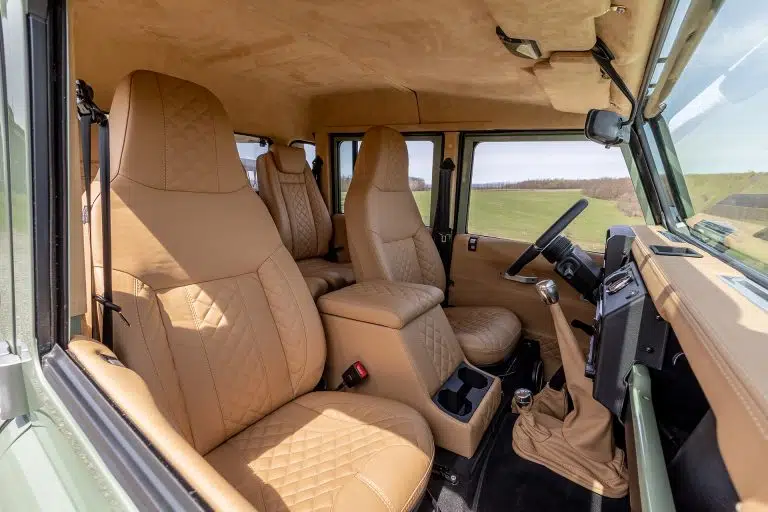
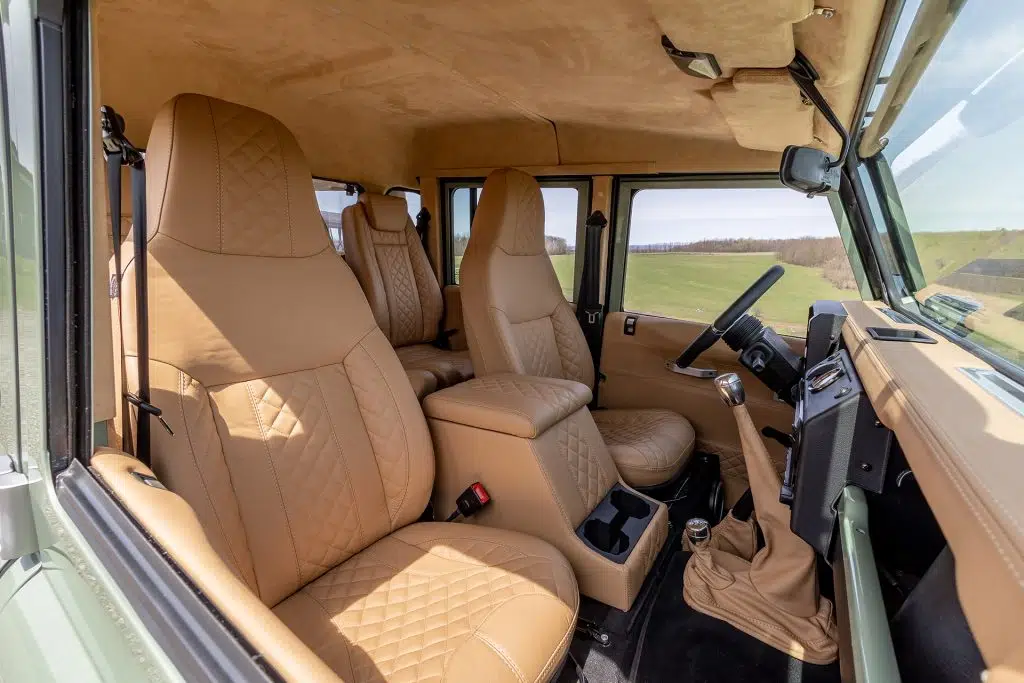
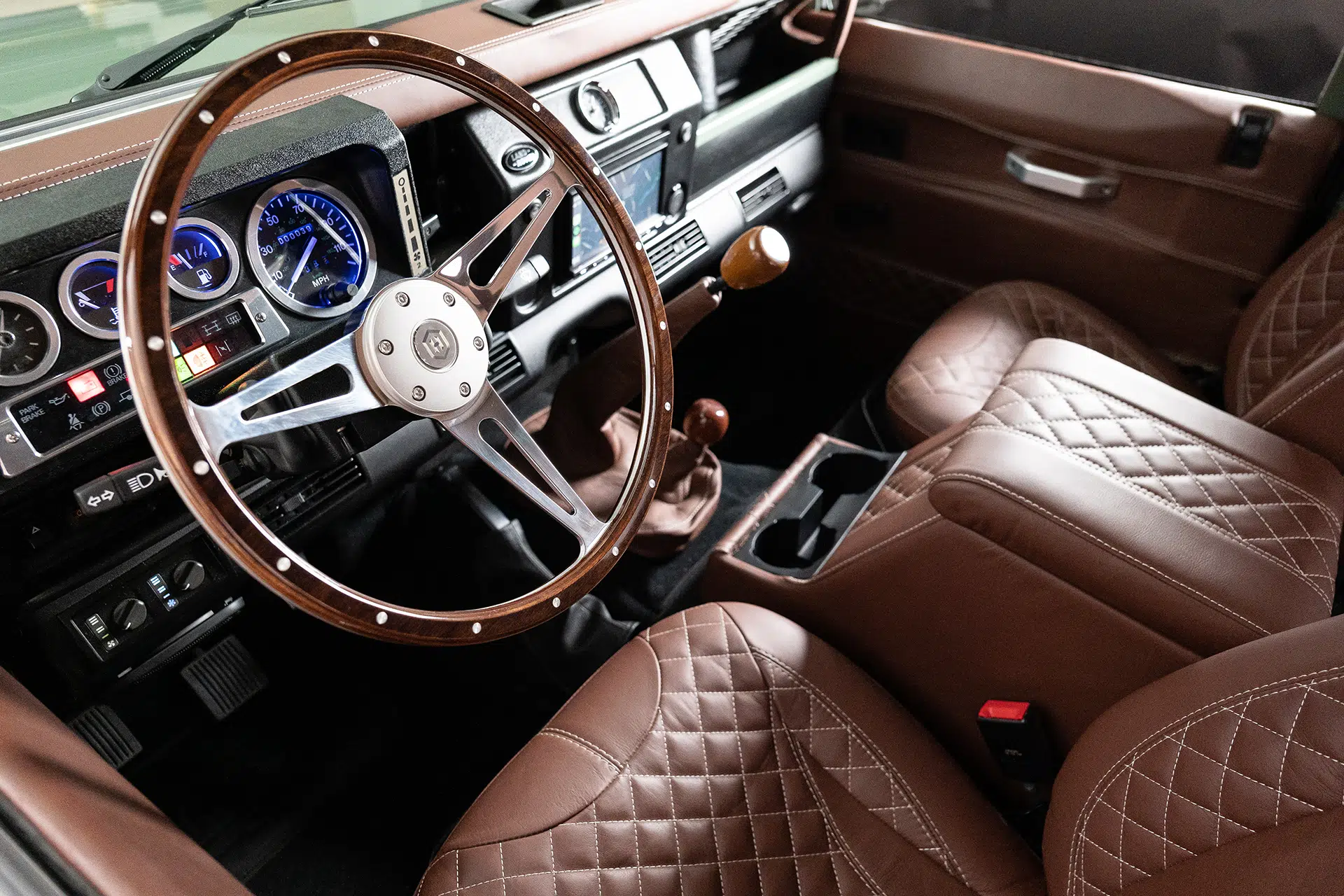
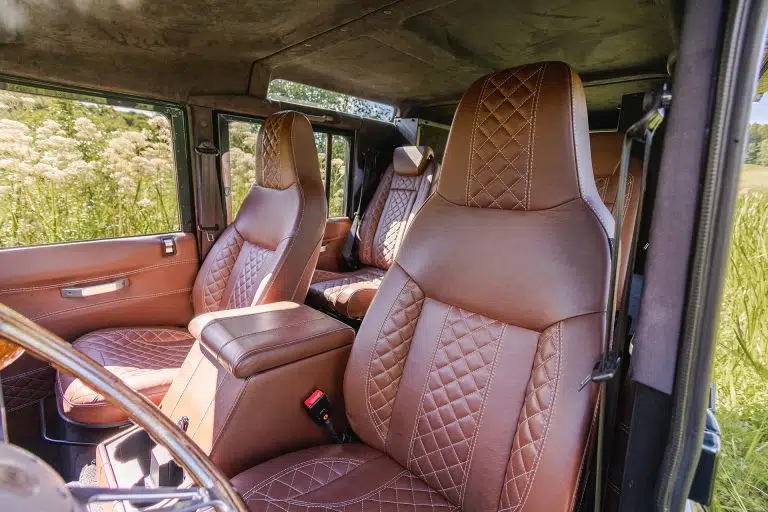
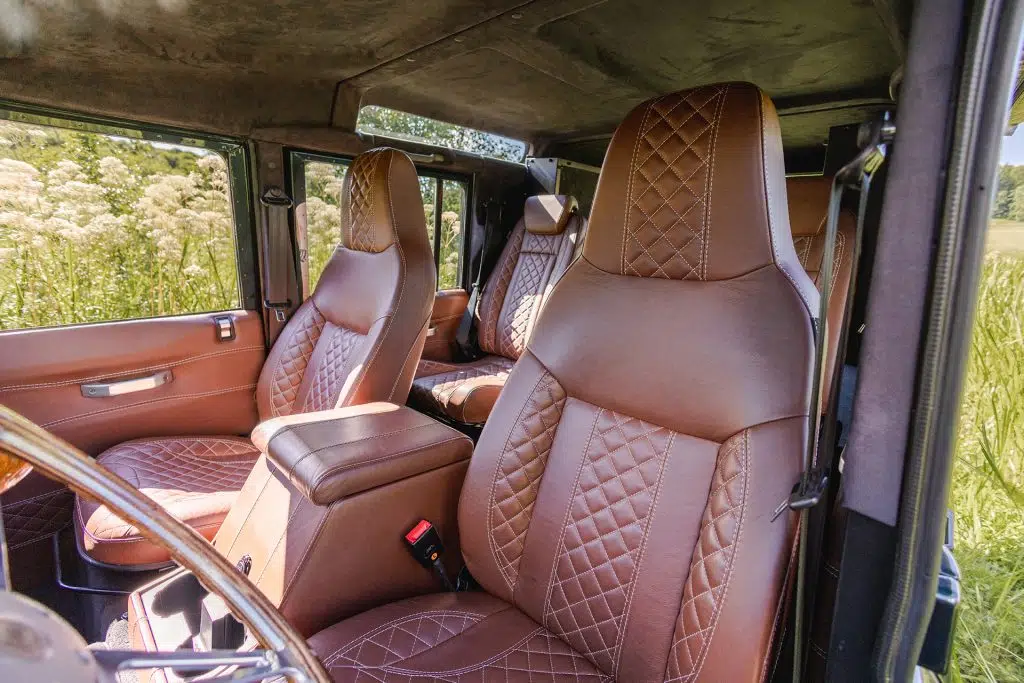
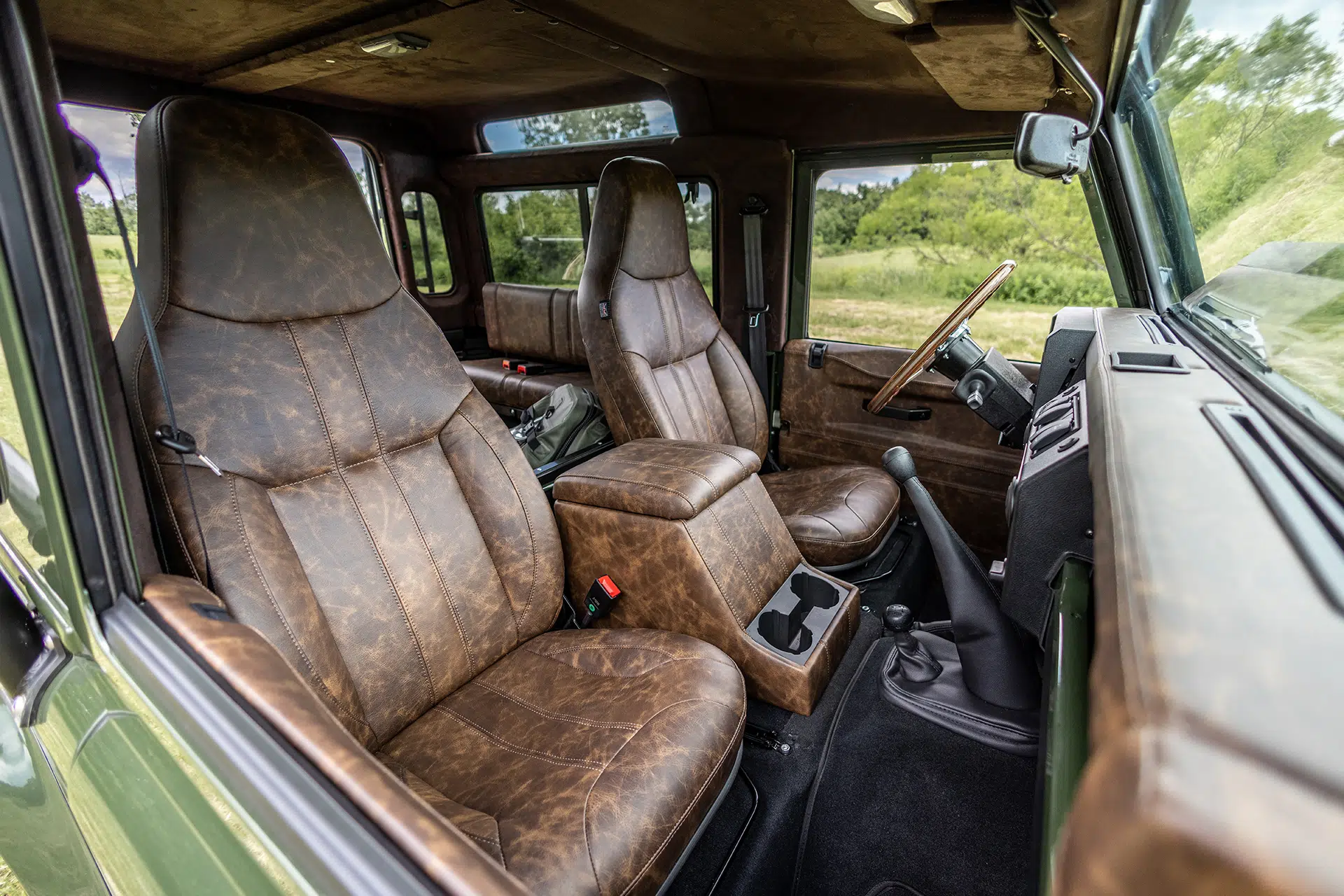
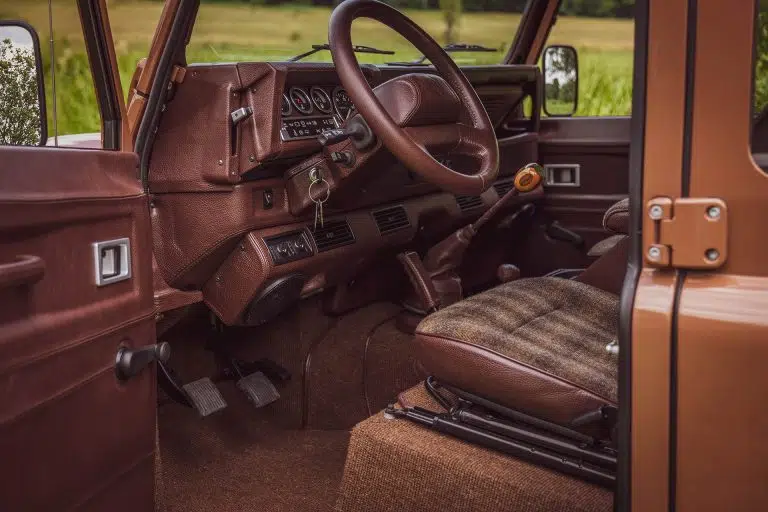
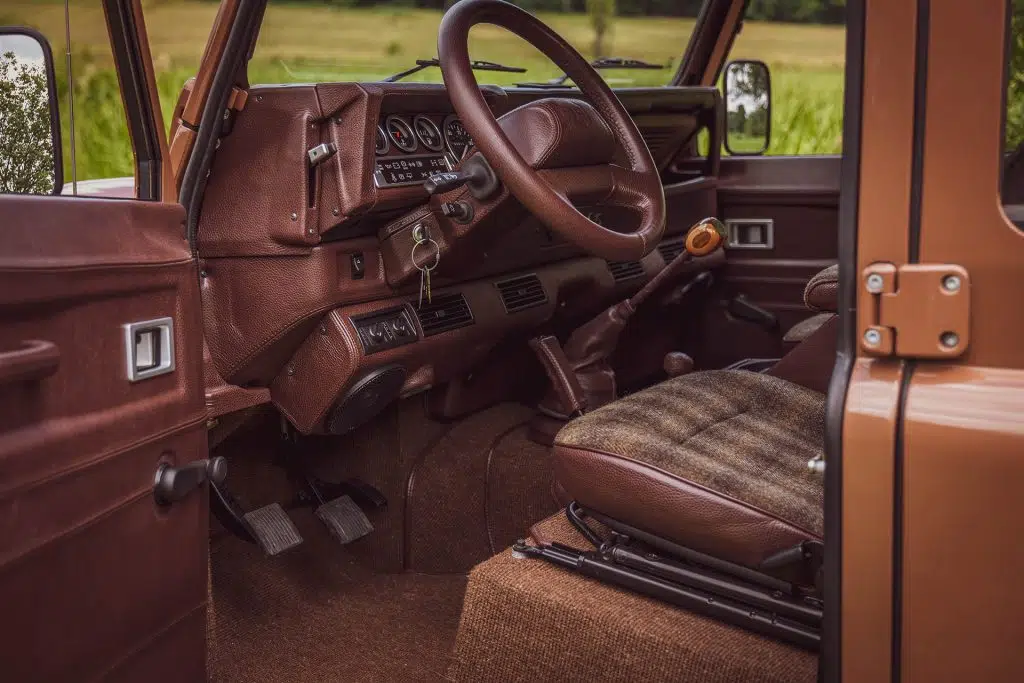
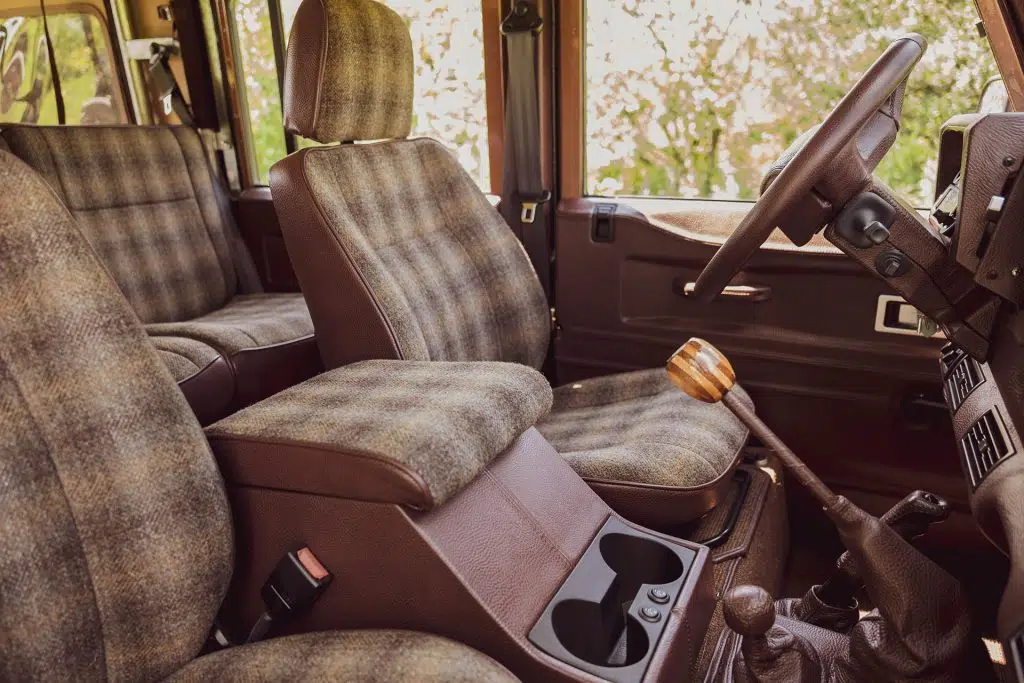
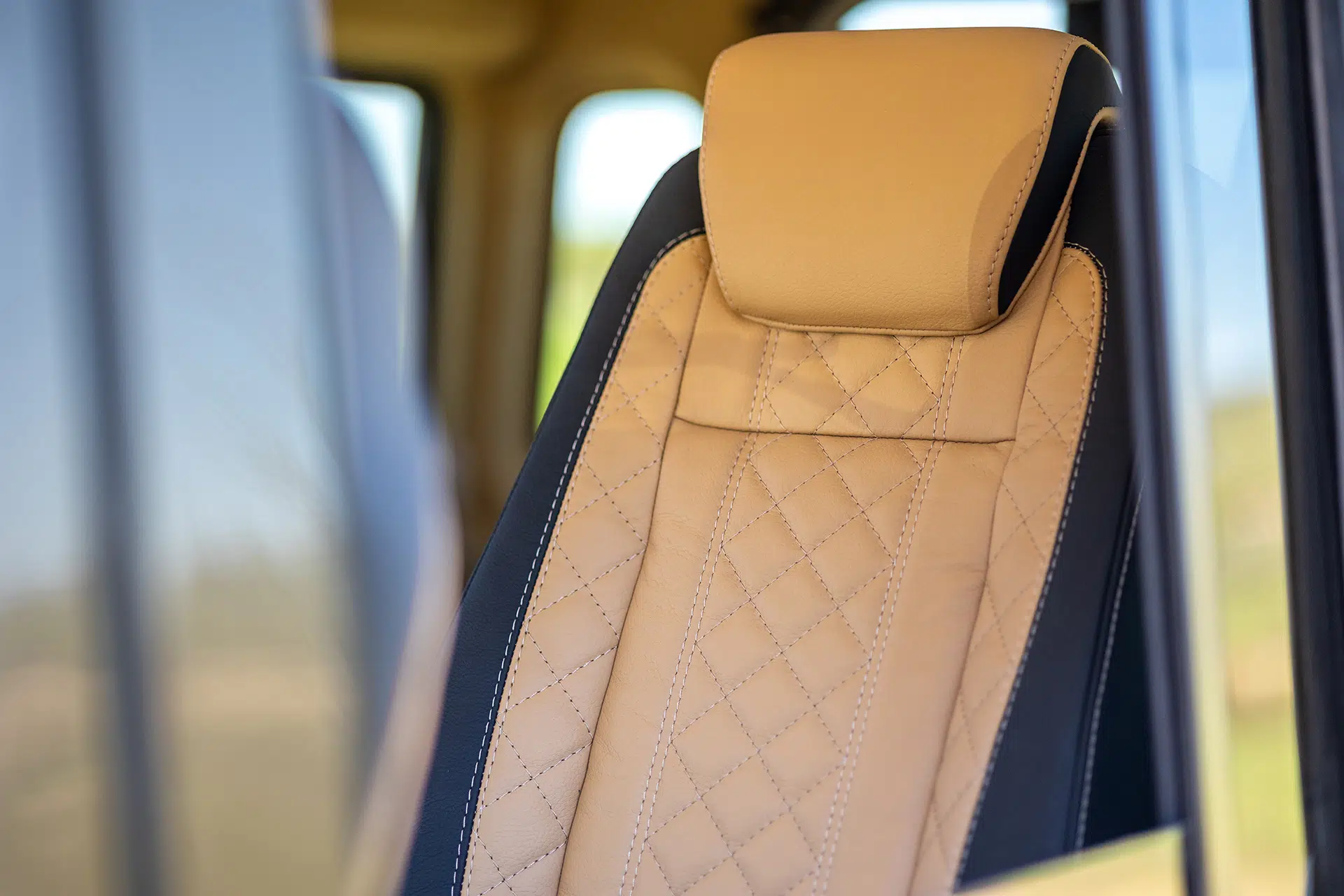
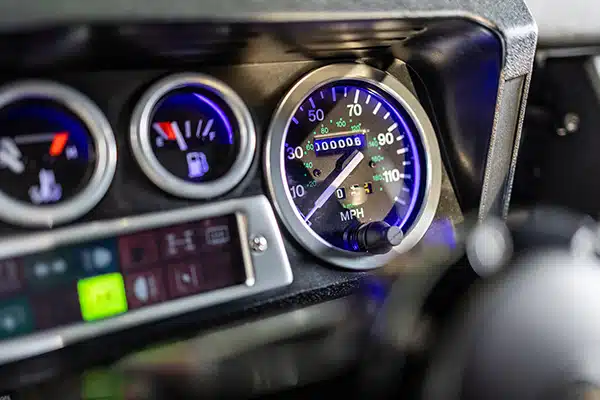
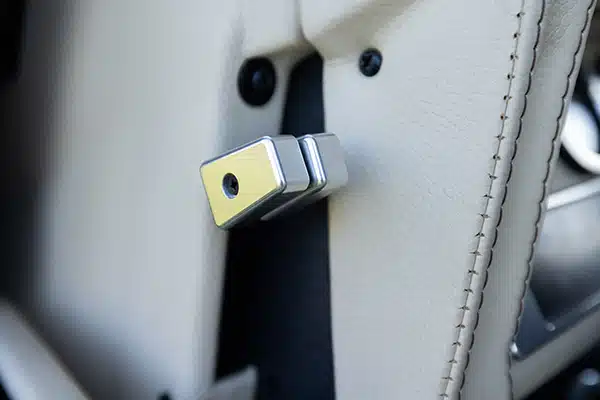
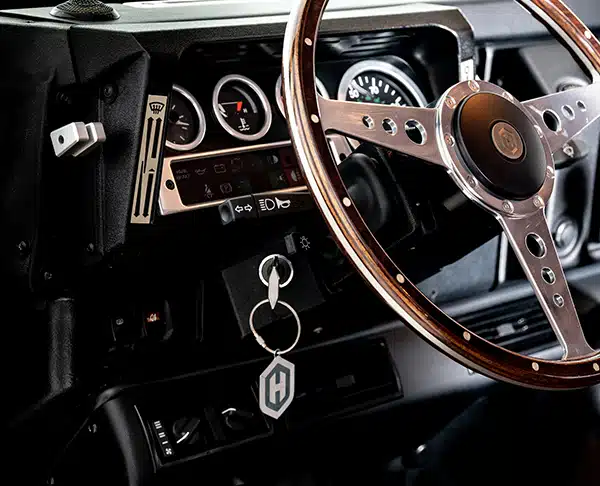
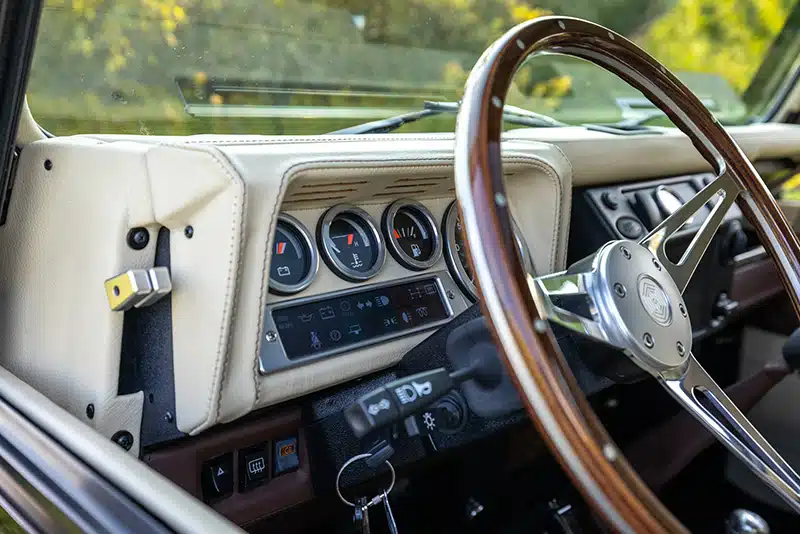
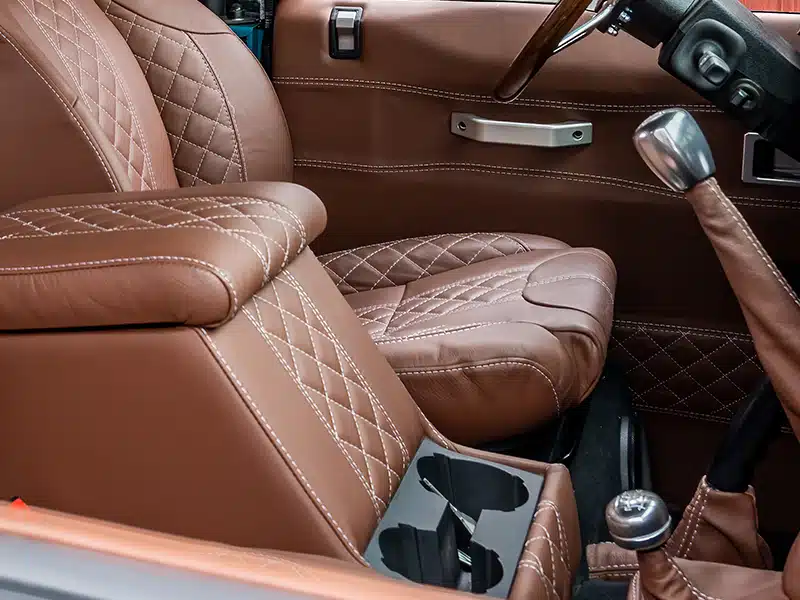
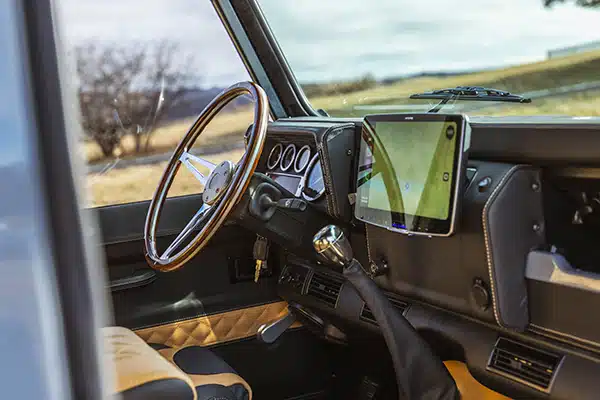
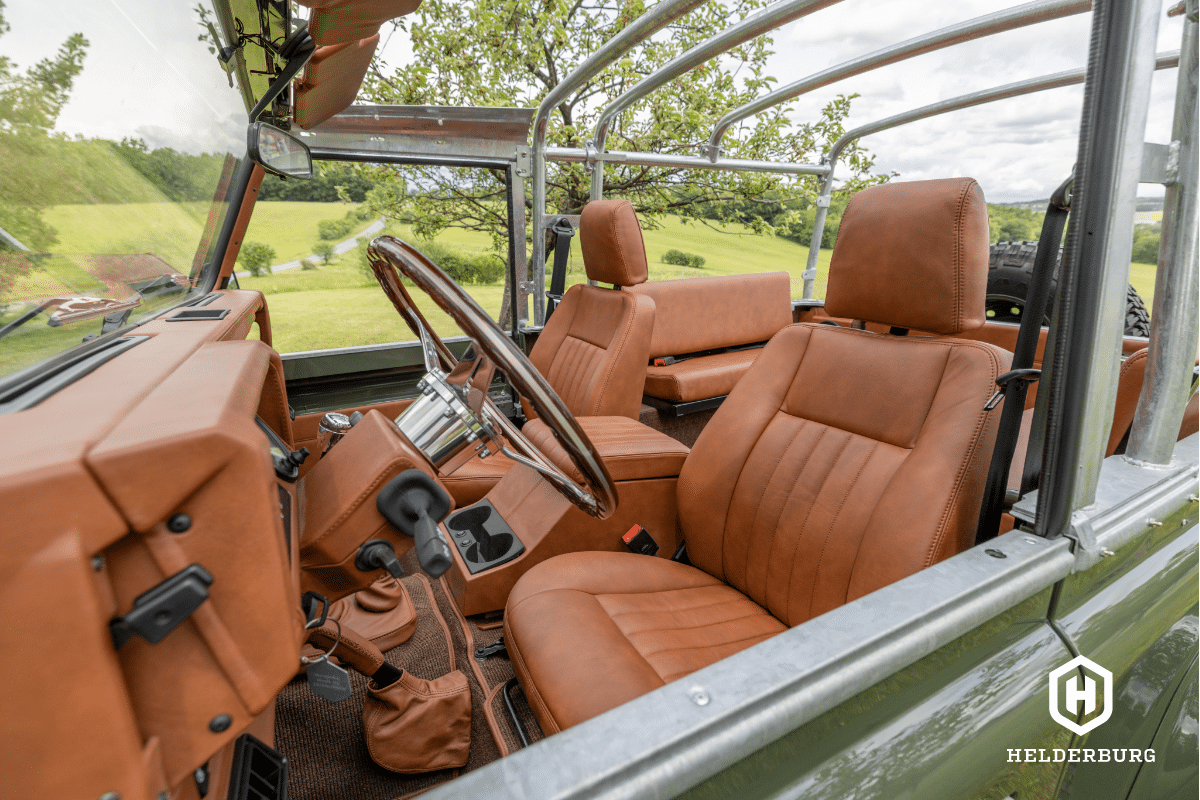
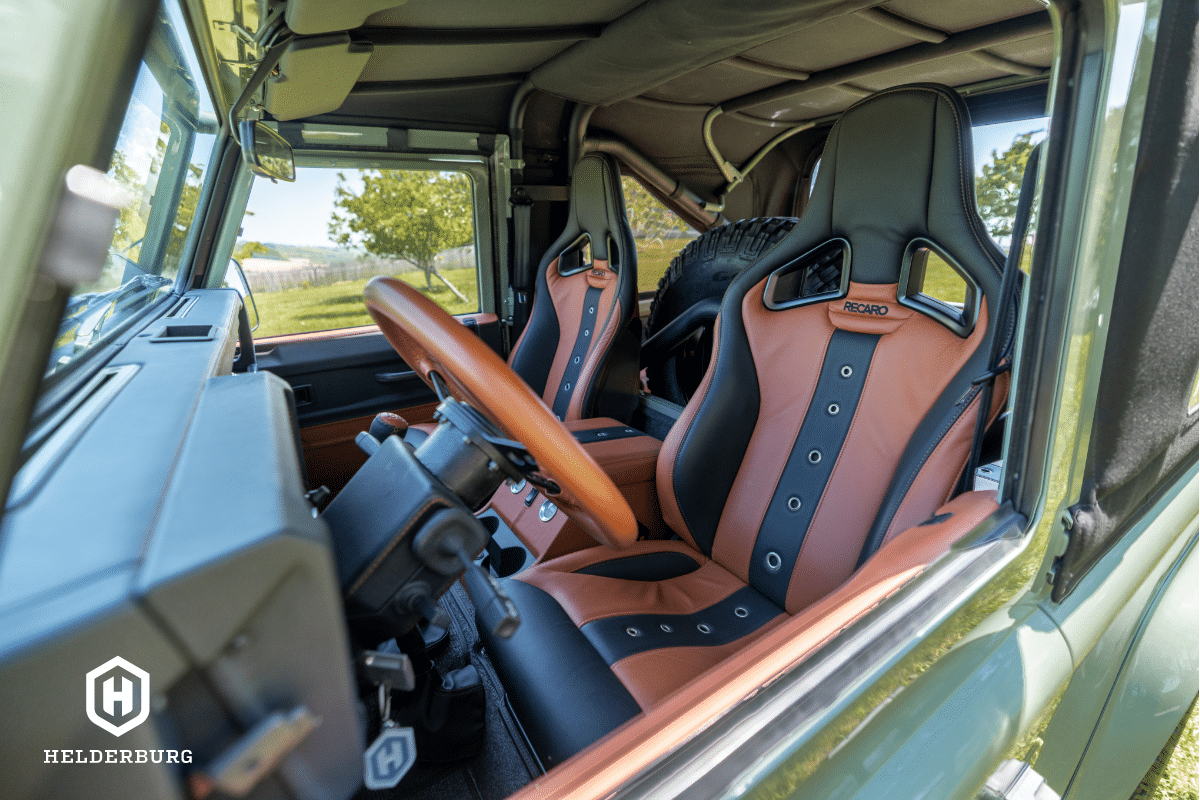
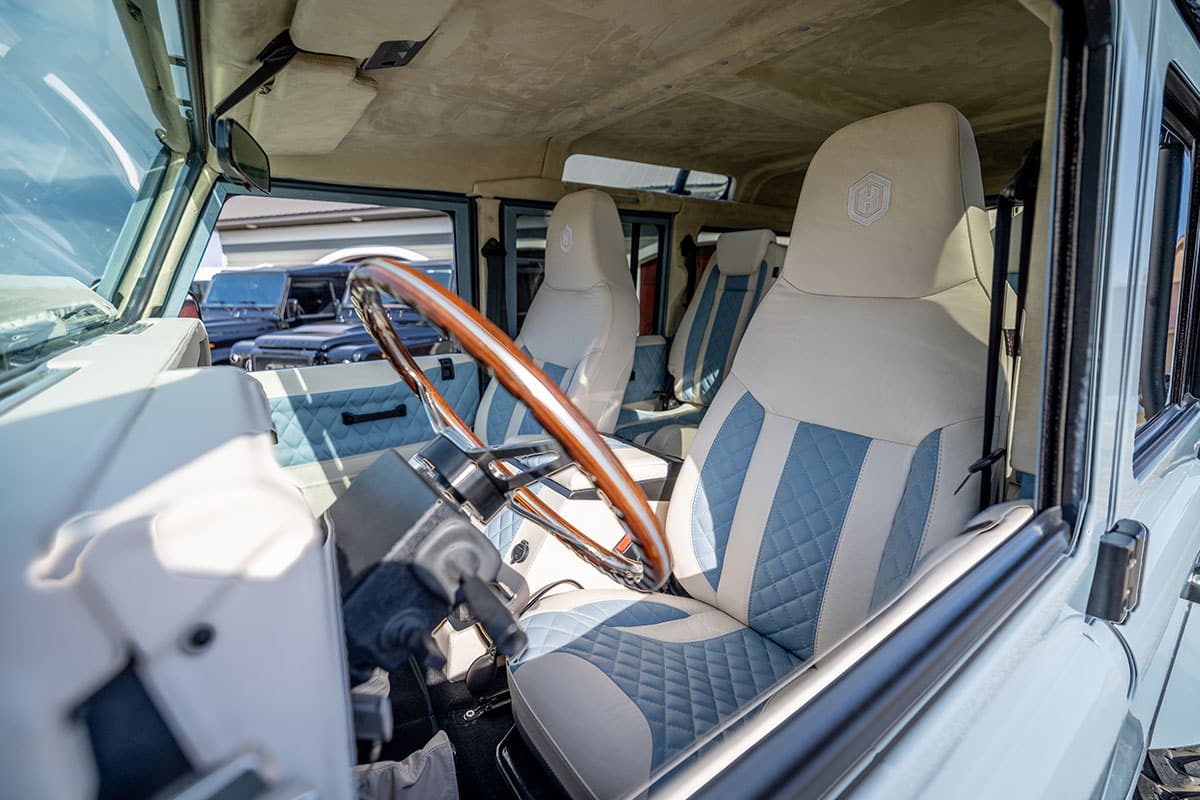
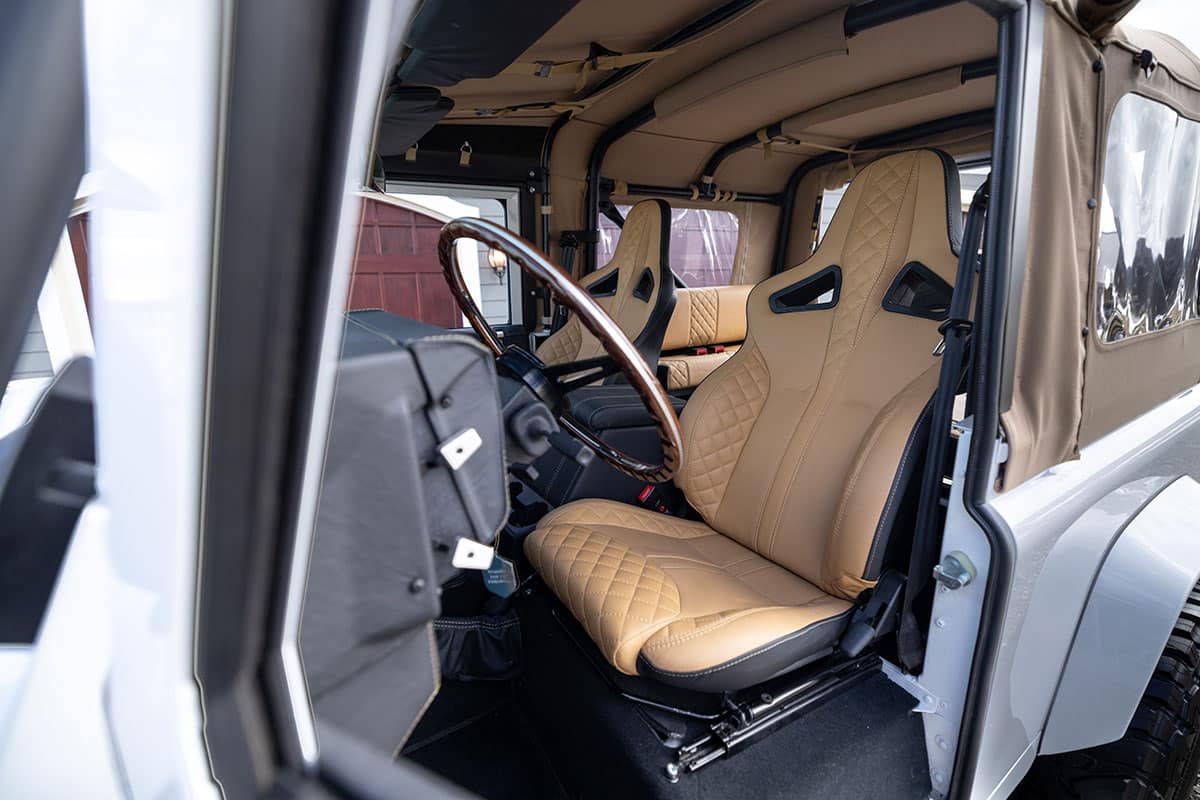
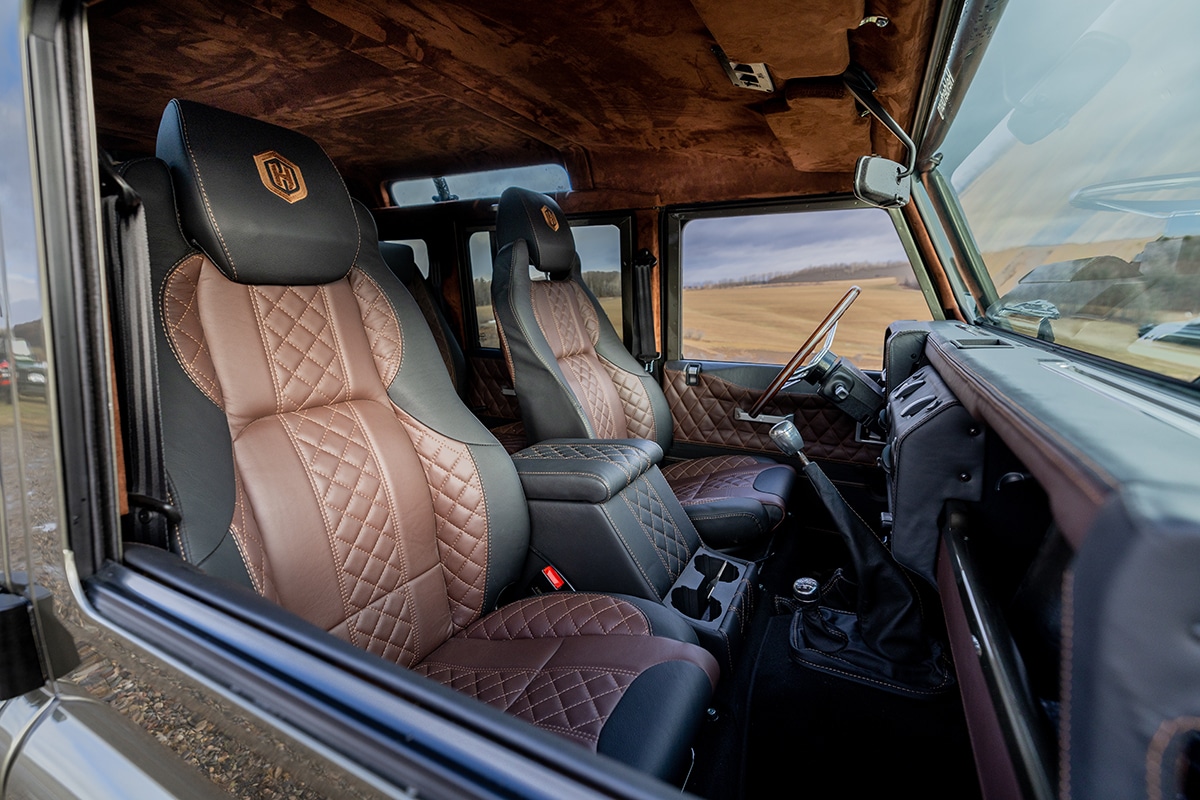
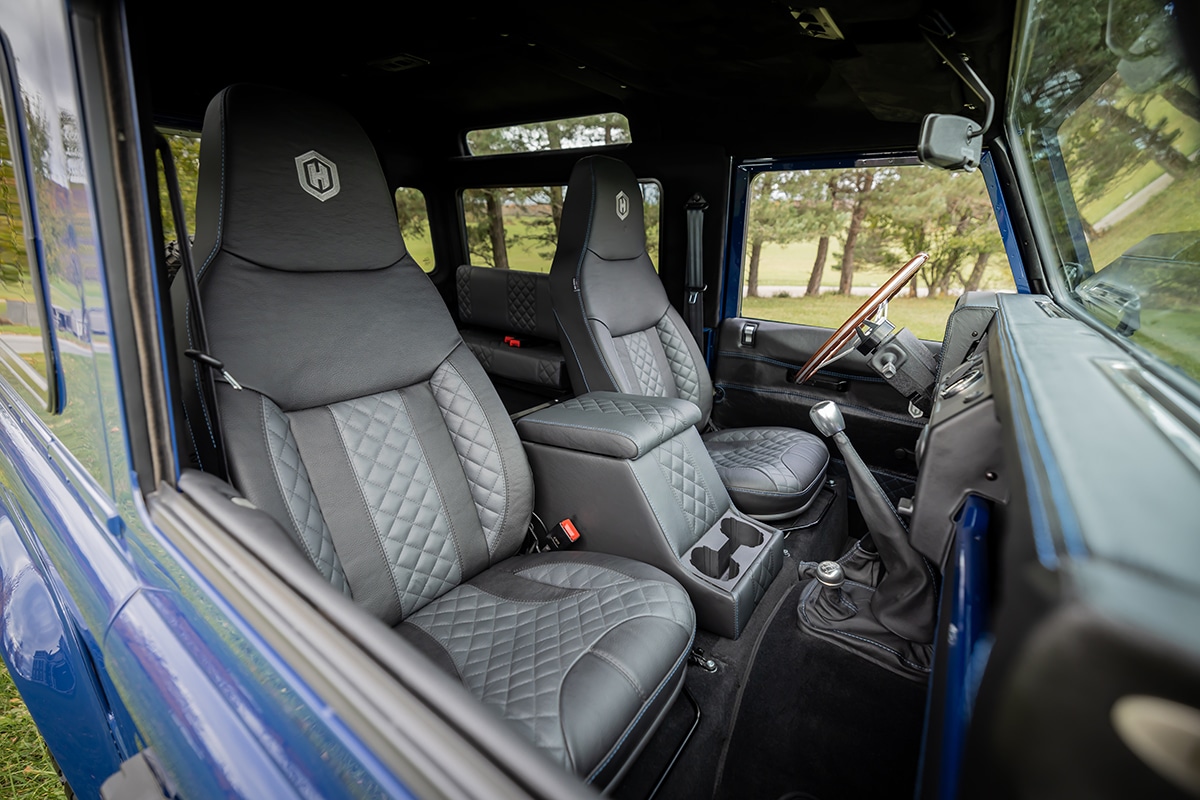
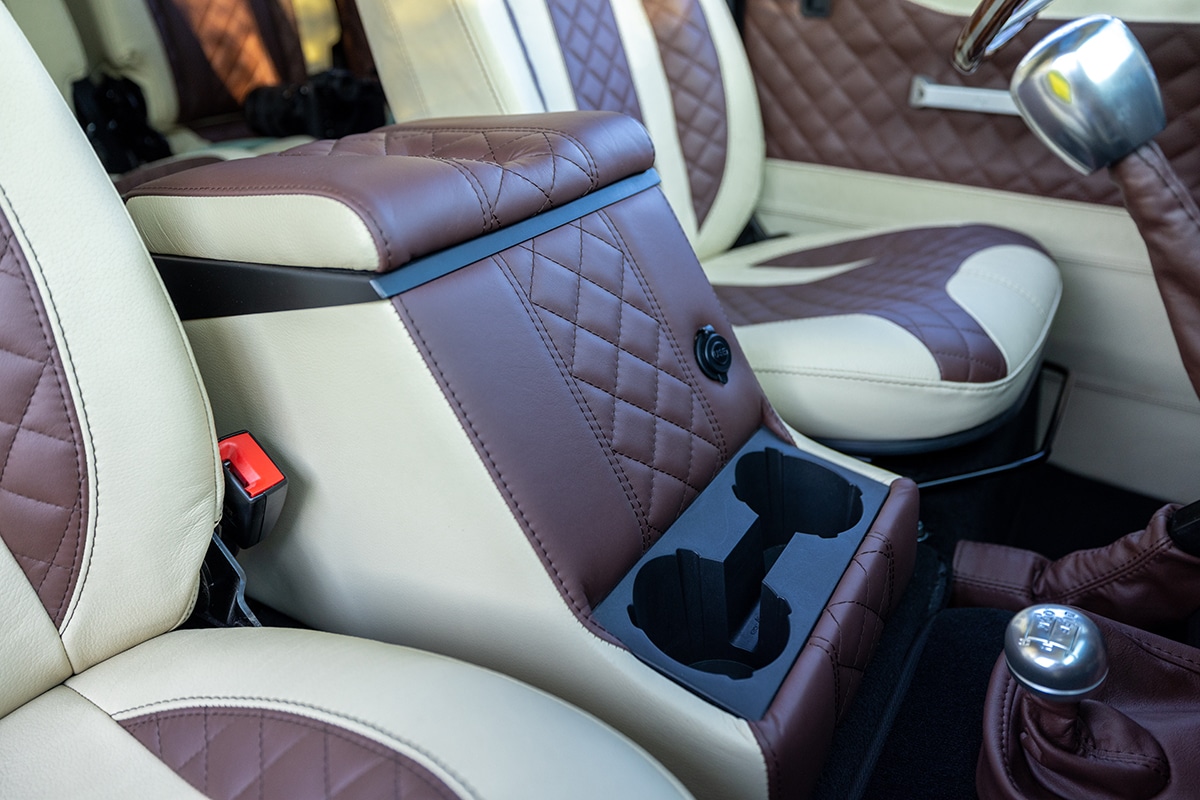
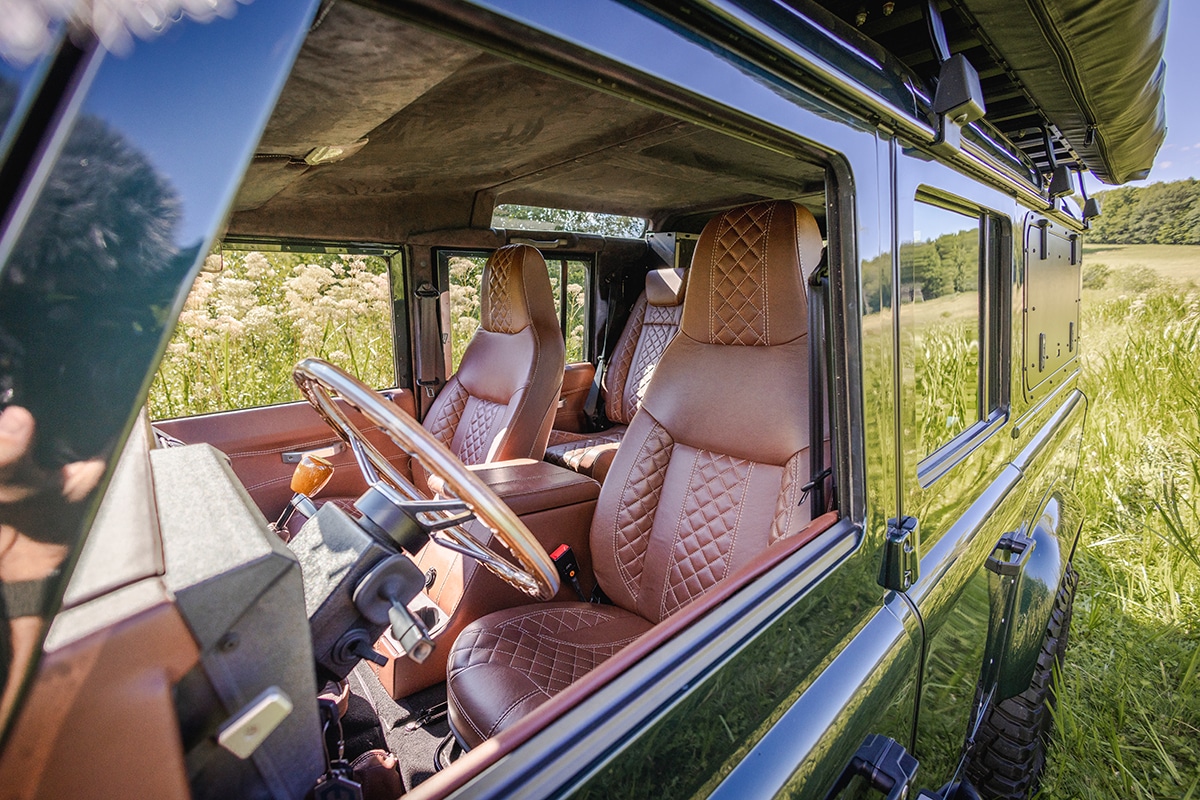
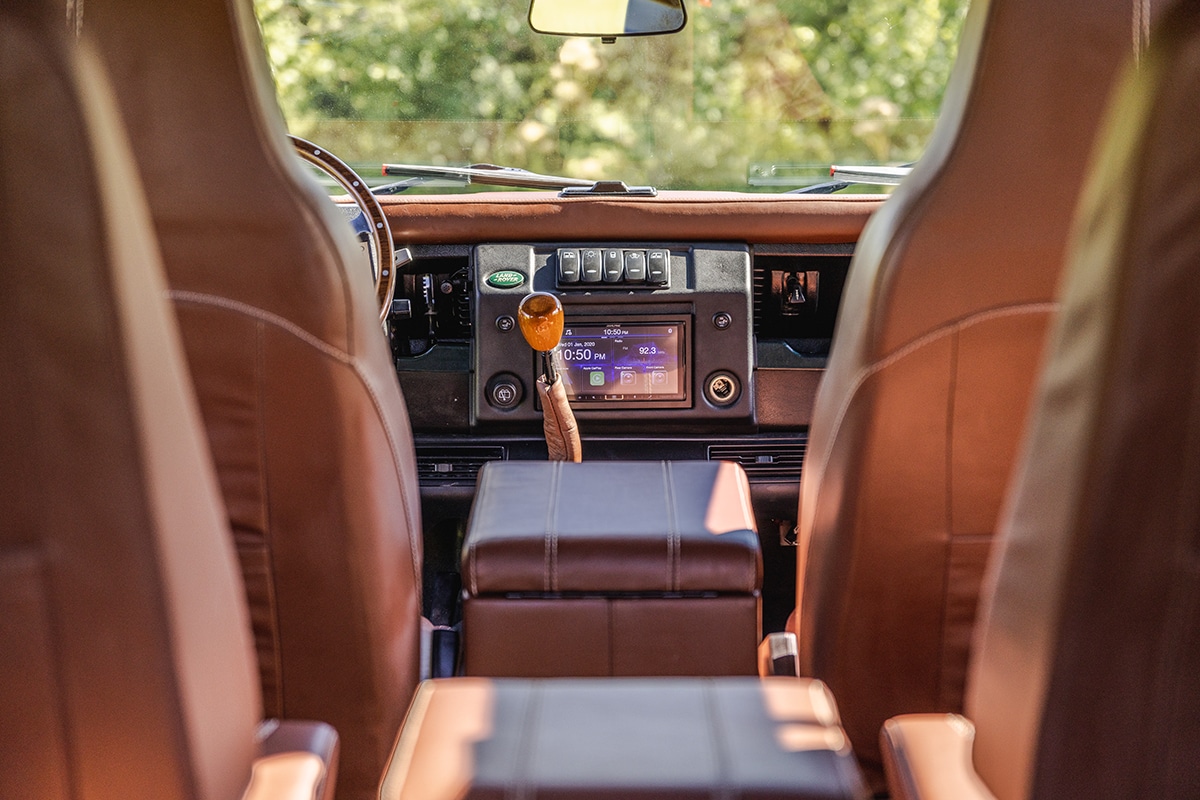
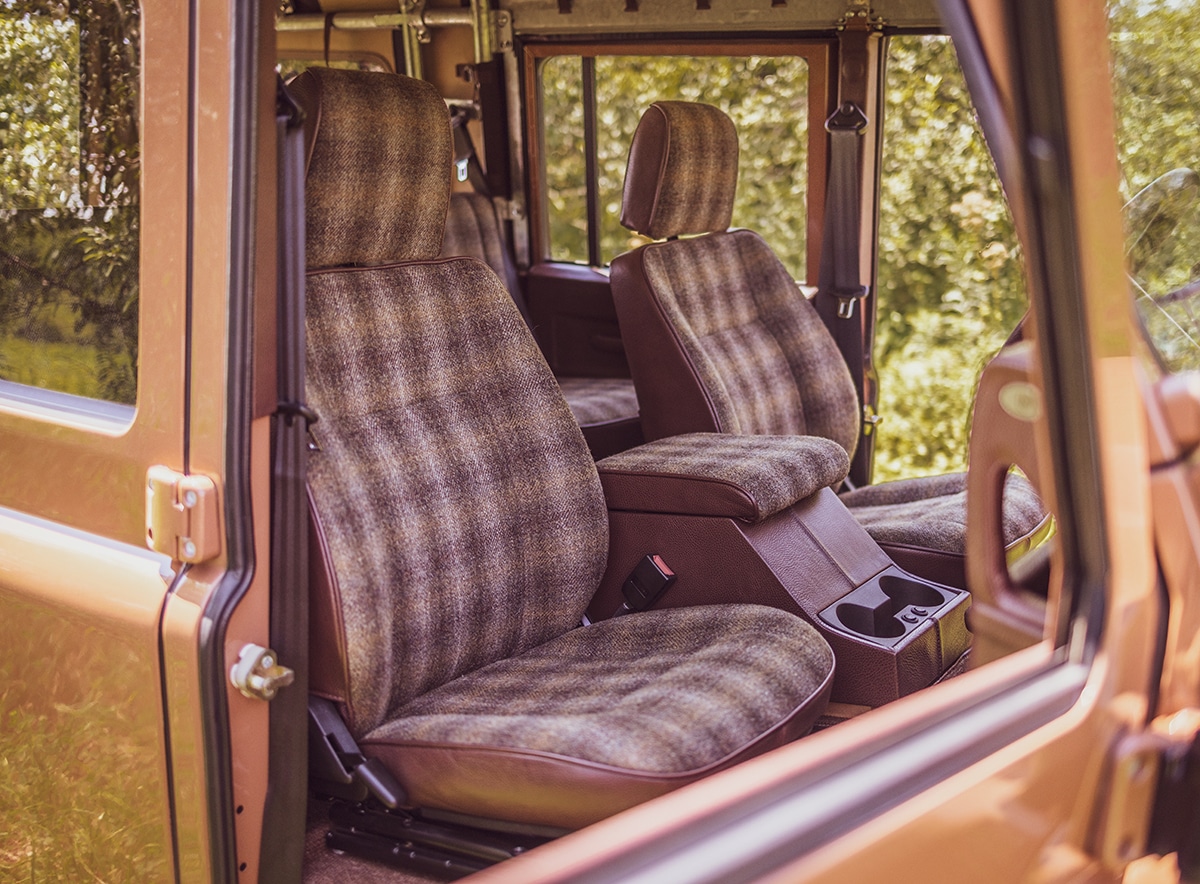
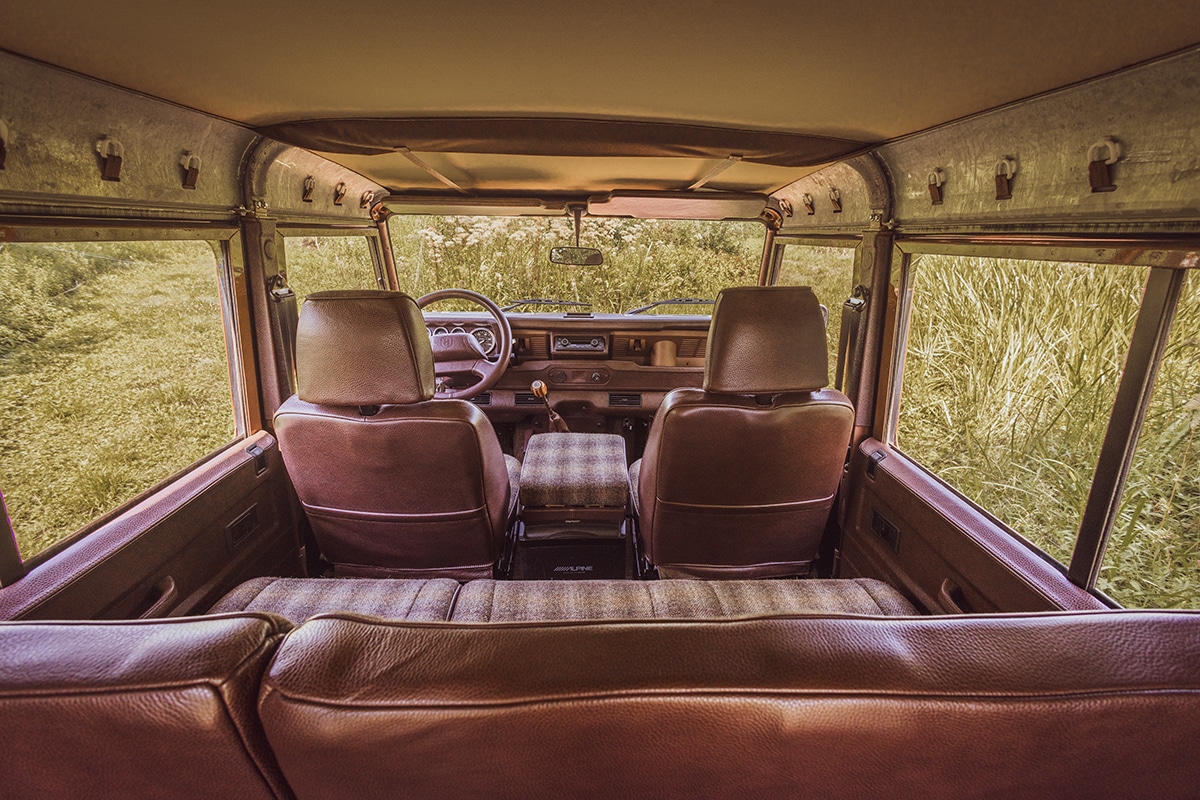
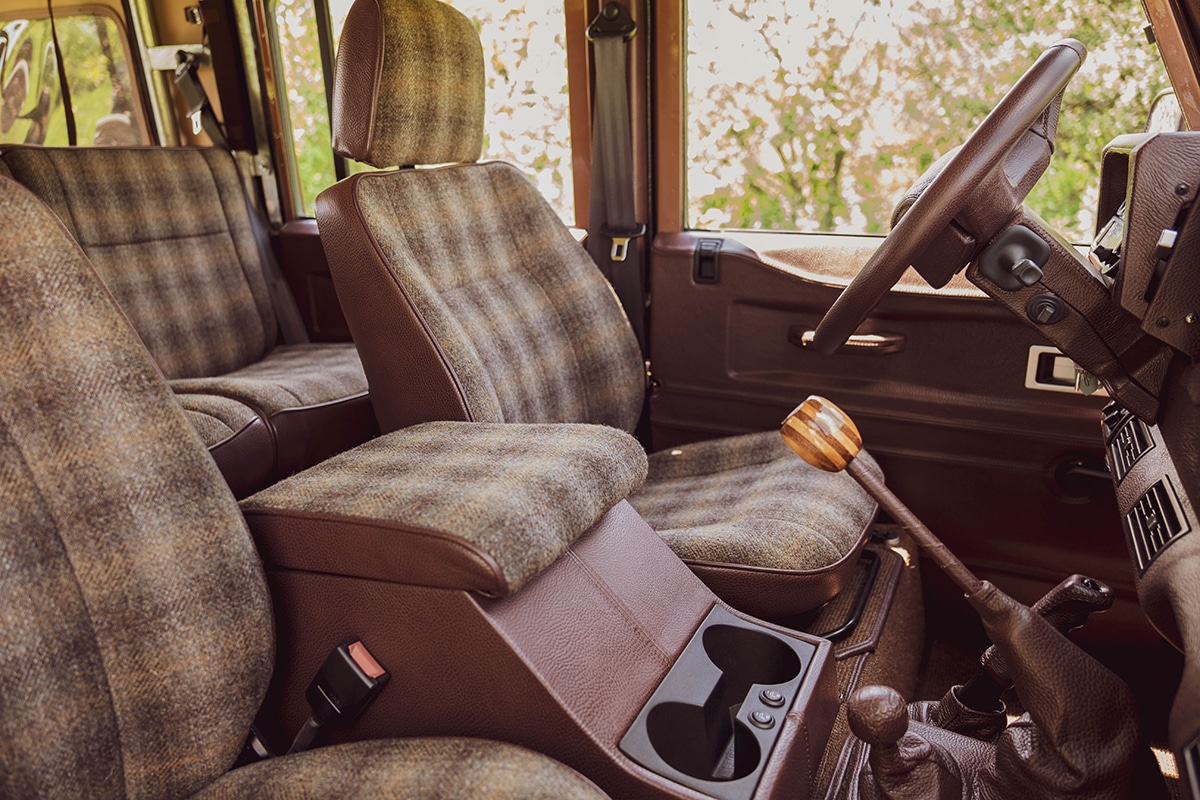
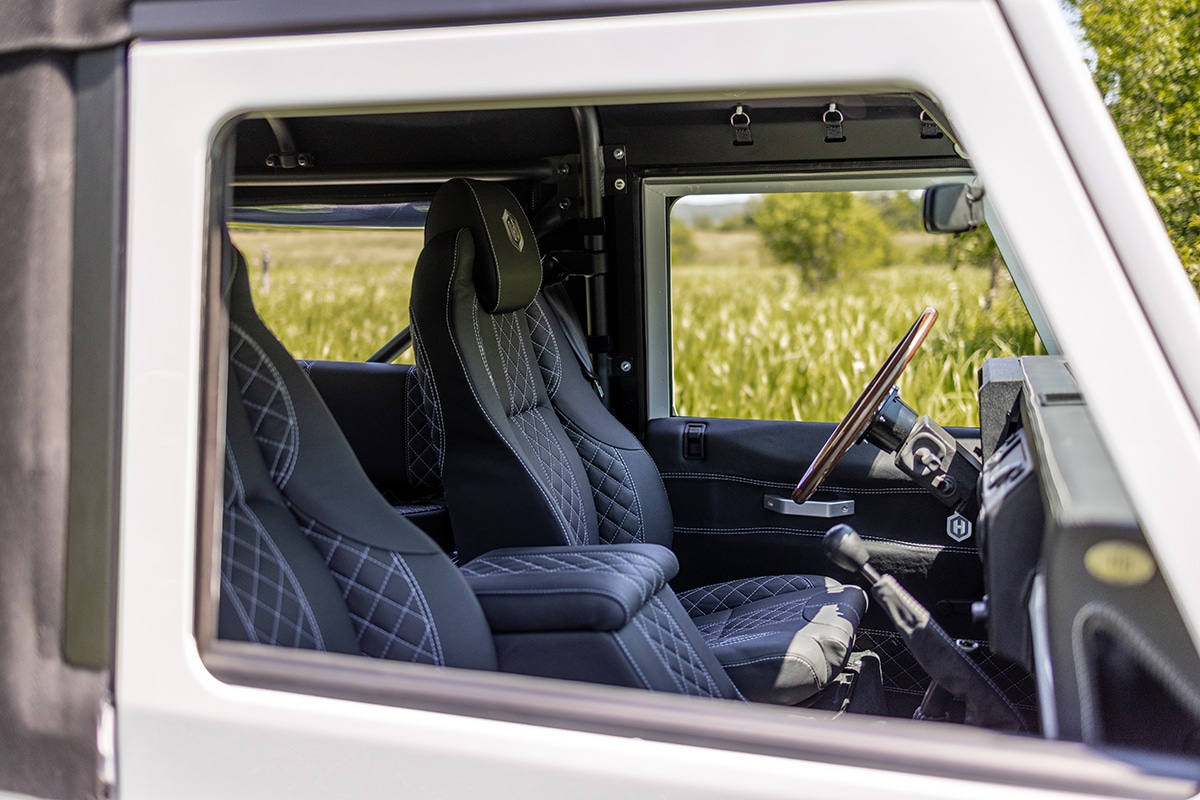
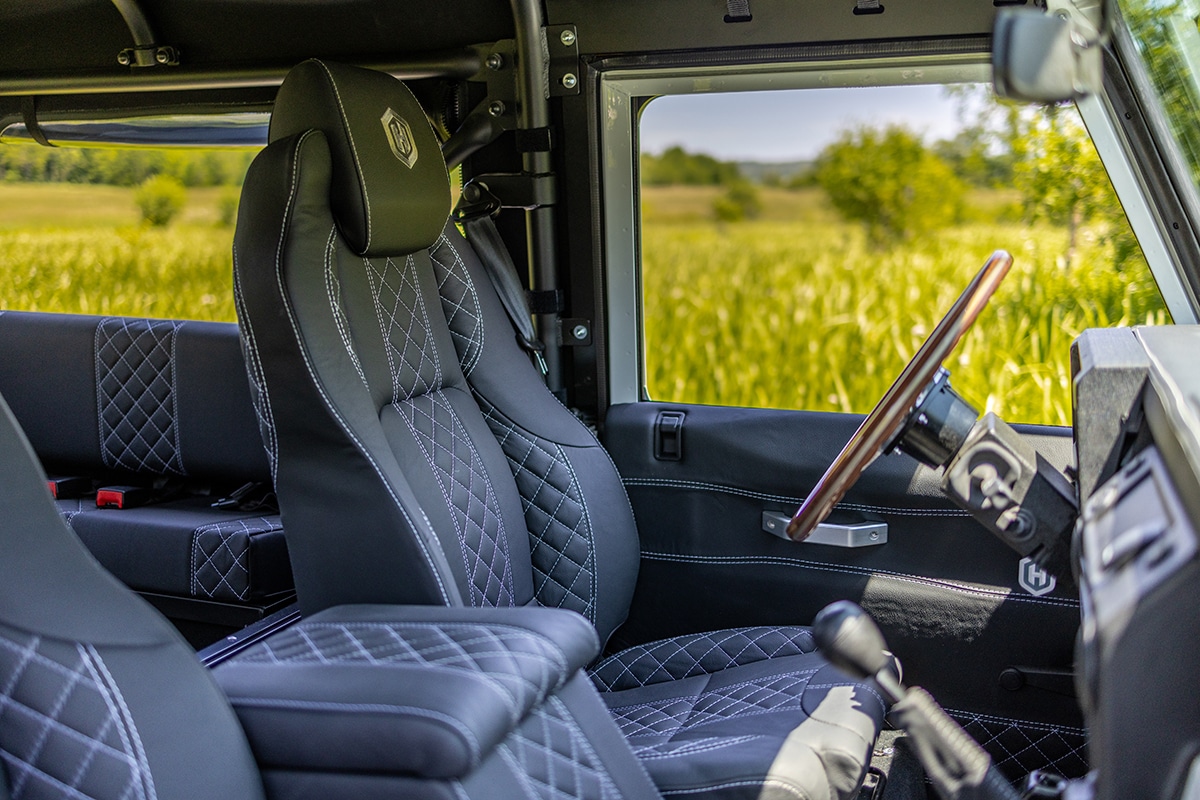
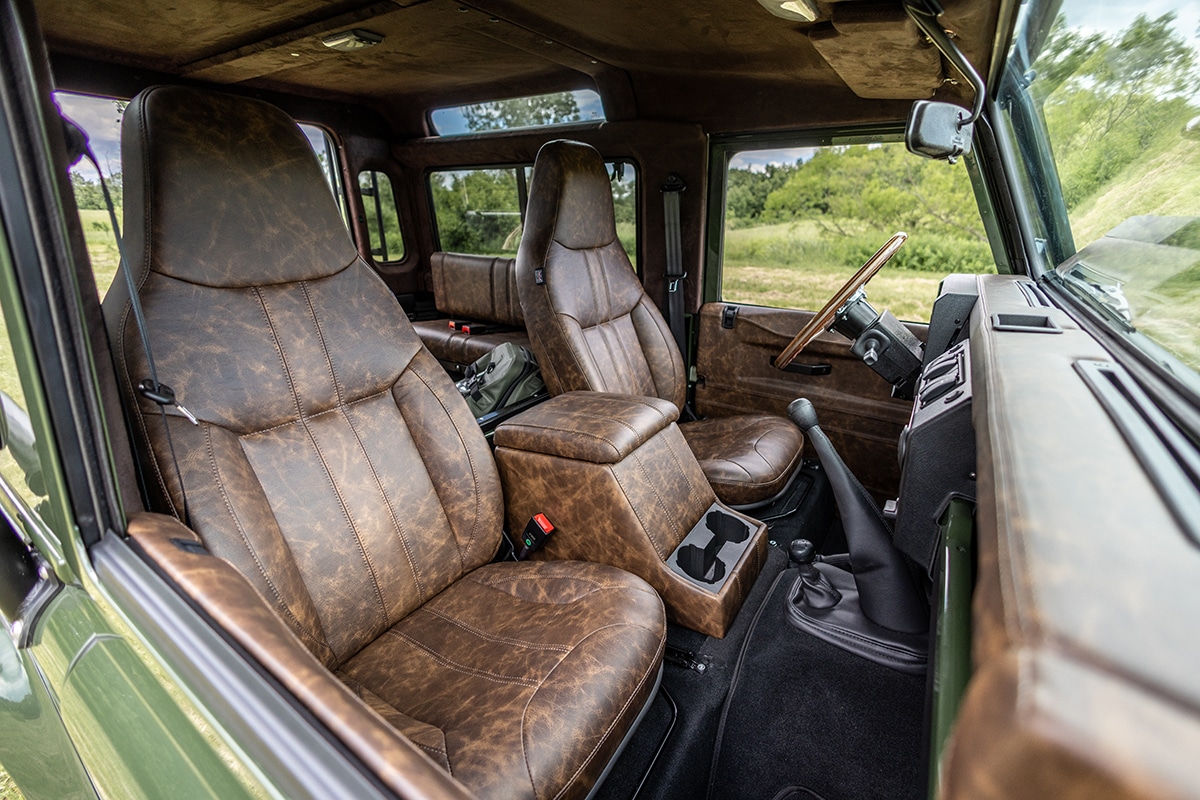
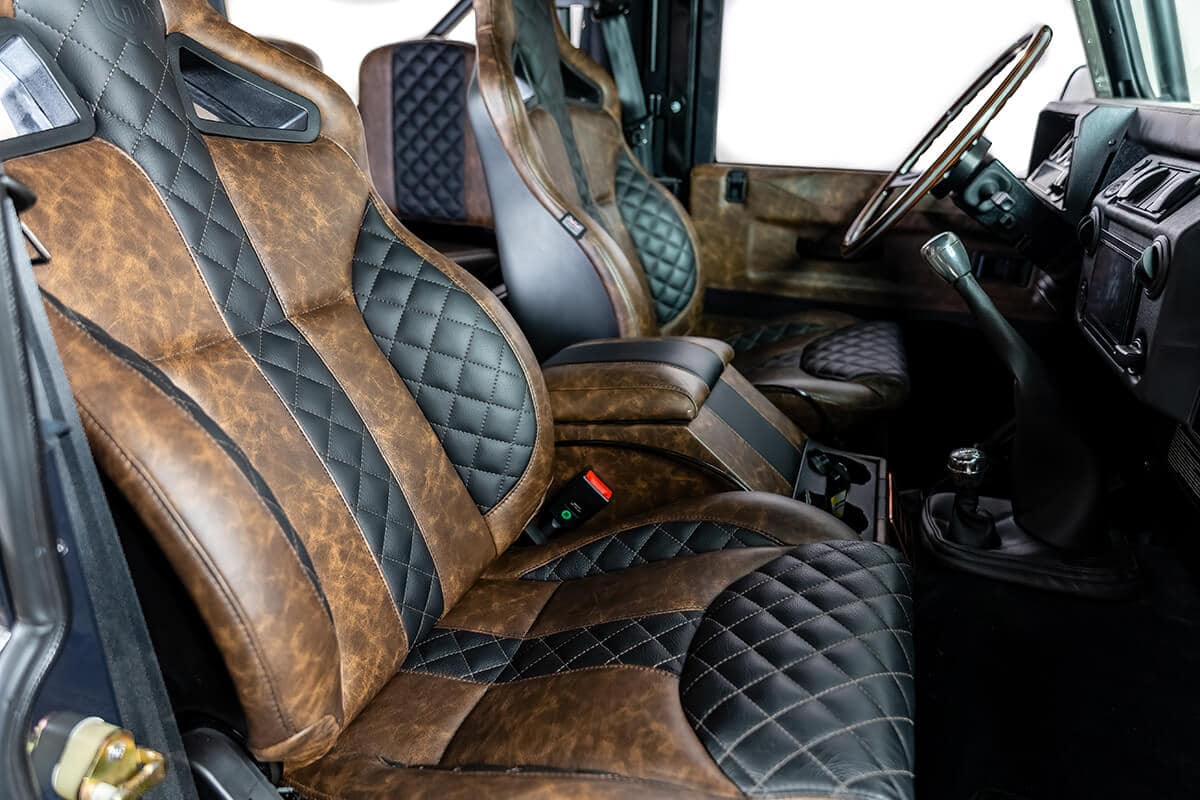
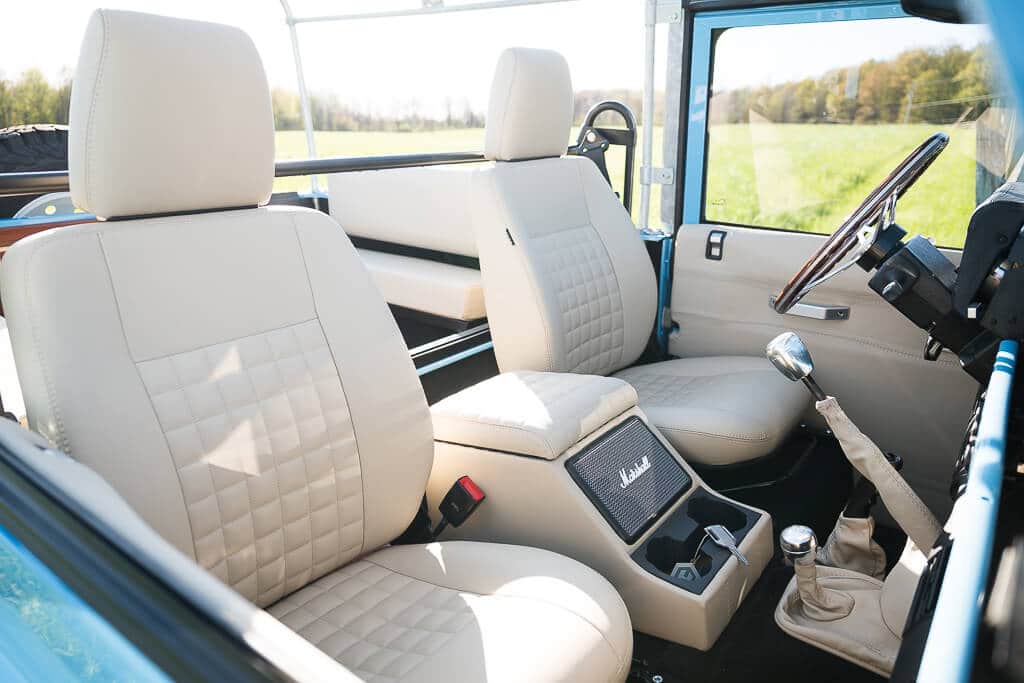
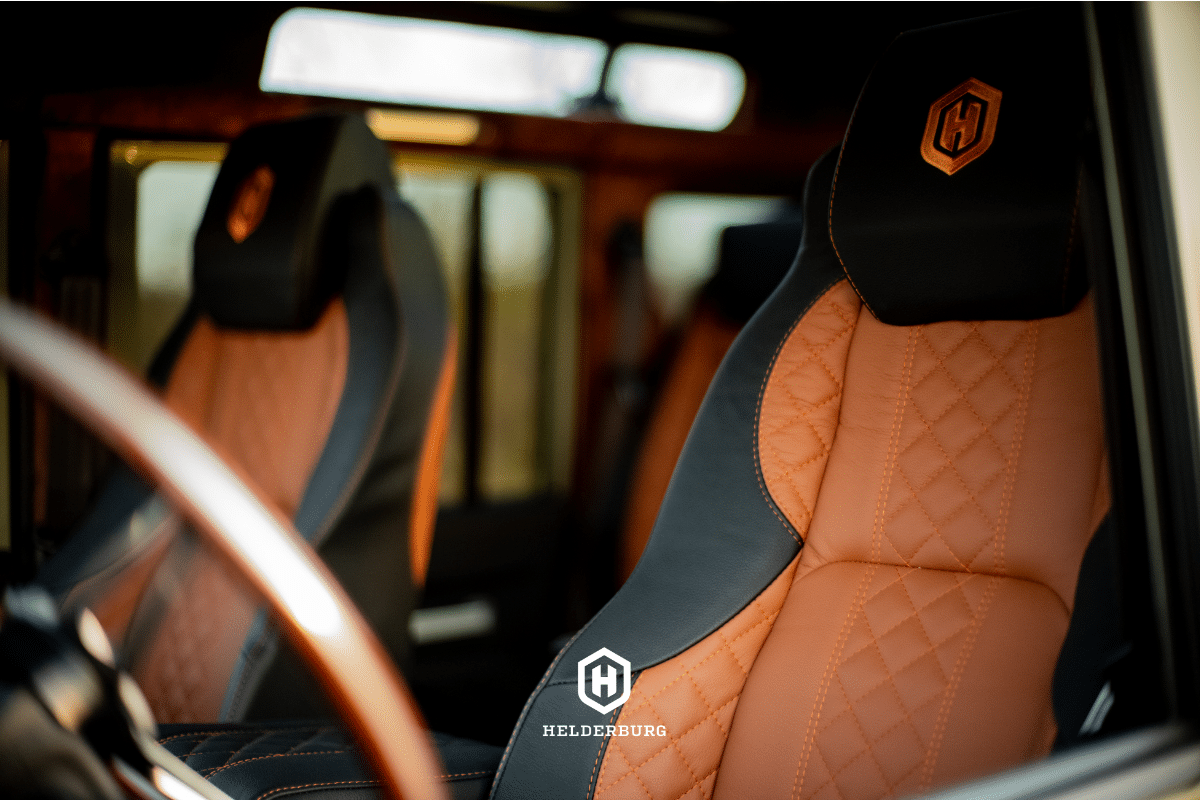
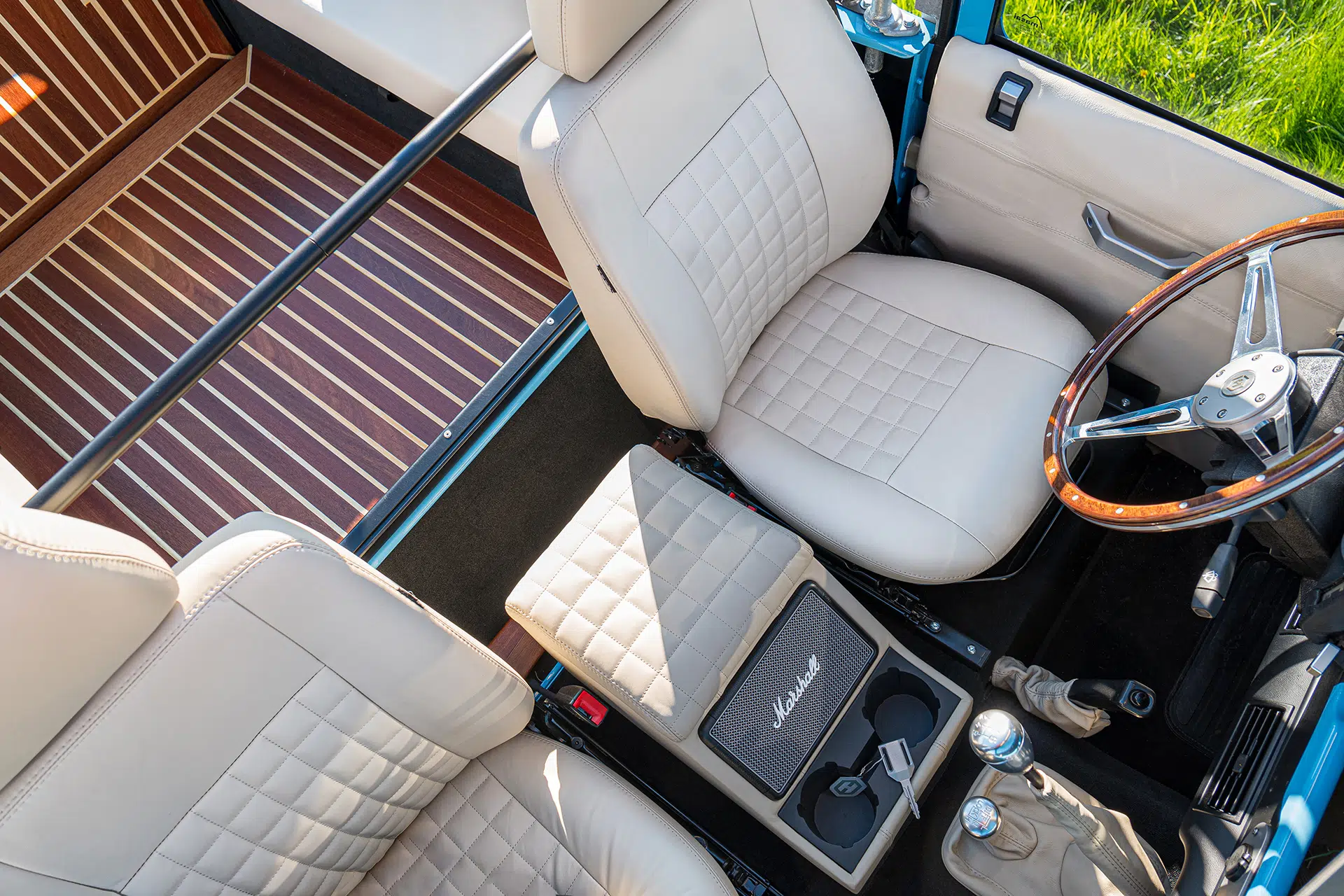
The interior of a finished Helderburg custom Land Rover Defender, showing the Aurelian Cabin with hand-coloured leather seats, exotic wood, ambient lighting, and the engraved copper plate at the centre of the dash
Plate 01  ·  The Aurelian Cabin, photographed in available light. Every element is chosen and made for one owner.
In Brief

Helderburg builds custom Defender interiors one at a time, by hand. Each one starts with a classic Land Rover Defender, twenty-five years old or older, and replaces the original cabin with something engineered for the way the owner actually lives in the vehicle. We call it the Aurelian Cabin. Proprietary laminated glass, soundproof and UV-protected. Multi-stage acoustic and thermal isolation behind every panel. Ambient LED lighting set to warm tones. Audio tuned to the geometry of the cabin. Materials selected to age across decades, not to look new on a showroom floor.
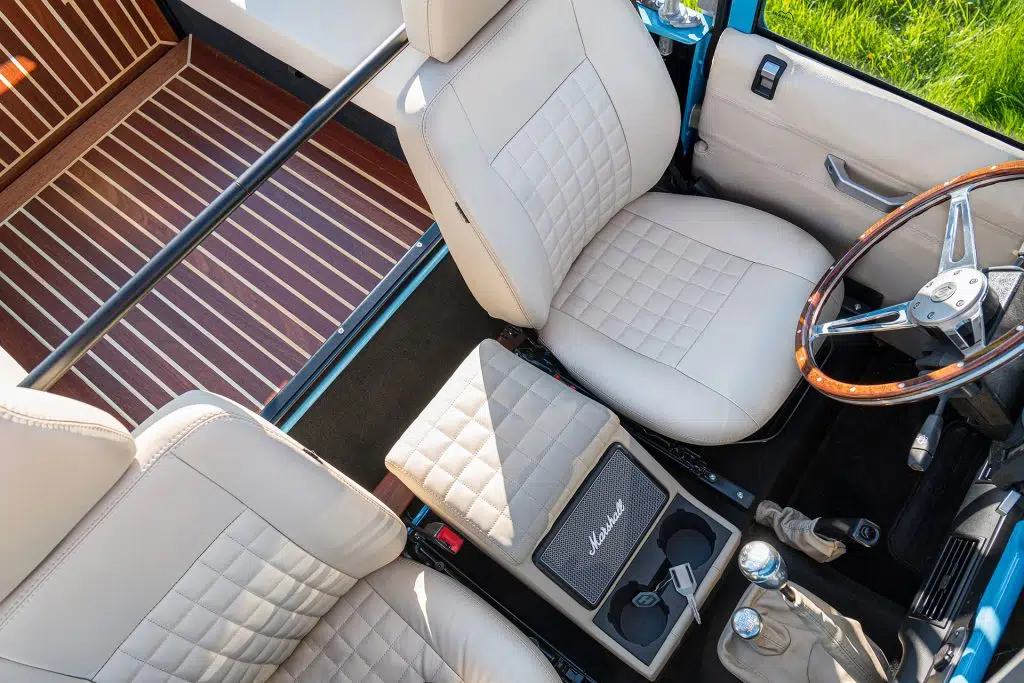
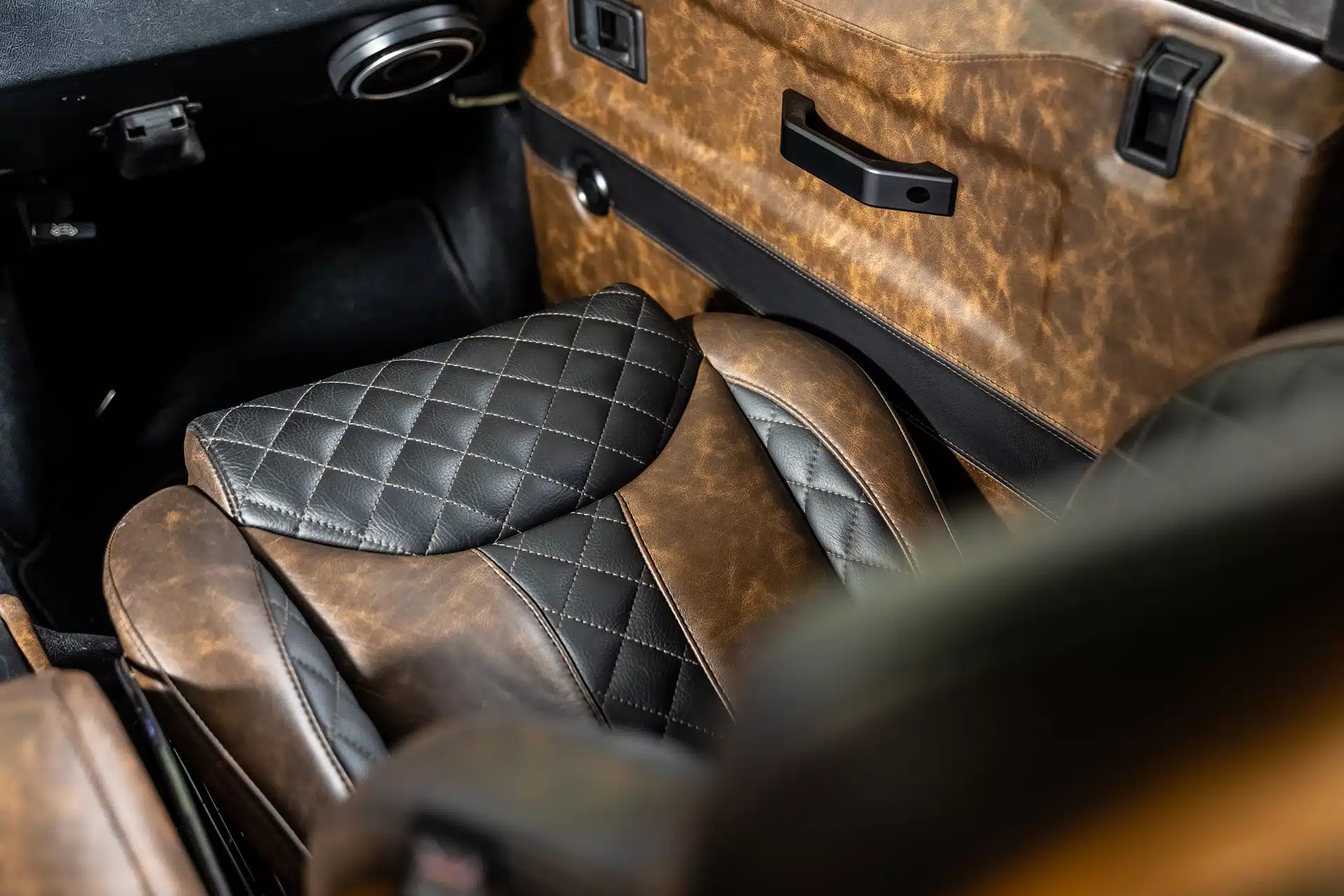
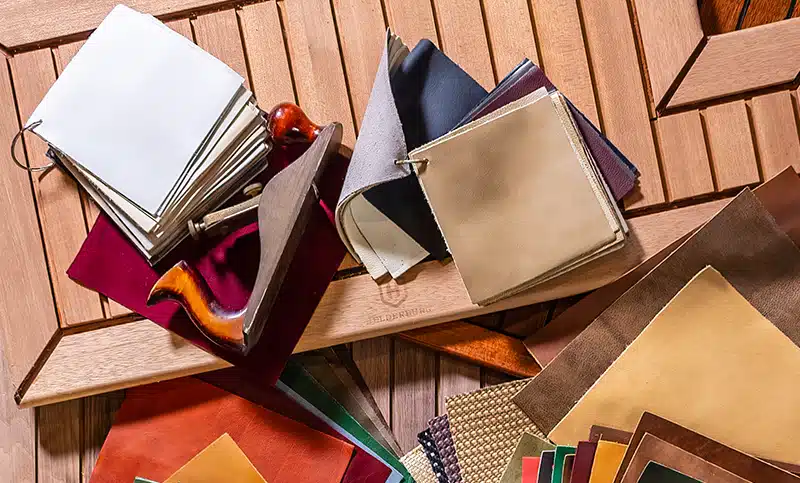
The owner chooses the path through it. Scottish hand-tanned leather is our standard. Scandinavian hand-coloured leather is our premium. Exotic cabin wood, mahogany or black walnut or spalted maple, finishes the steering wheel and the cargo floor. Hand engraving by Edward Ashcomb personalises the gauges, the threshold plates, the gear selector. Four decisions. One cabin. The old Defender, rebuilt to drive every day.

When you close the door on a Helderburg, the world changes register. The road noise drops. The light softens. The hand finds leather, in every direction. The cabin holds you in a way a modern luxury vehicle, for all its features, never quite manages.

A classic Land Rover Defender interior was not built for any of that. It was built to be hosed out. The seats were vinyl. The headliner, where one existed at all, was vinyl too. The dash was hard plastic with an ashtray. The cabin did its job, which was to get a person and a sheepdog from one field to another. The cabin we build is for the rest of someone's life.

We call it the Aurelian Cabin. The name comes from the Latin for gold. The materials and the work feel like one thing to us, and every cabin we build is one of one. None of what comes next is fast.

i.Quiet

An old Defender is many things. Quiet is not one of them. The original cabin was designed for a farm vehicle, with single-pane glass, hard plastic surfaces, and almost no acoustic treatment. At thirty miles an hour it already sounds like a sandstorm.
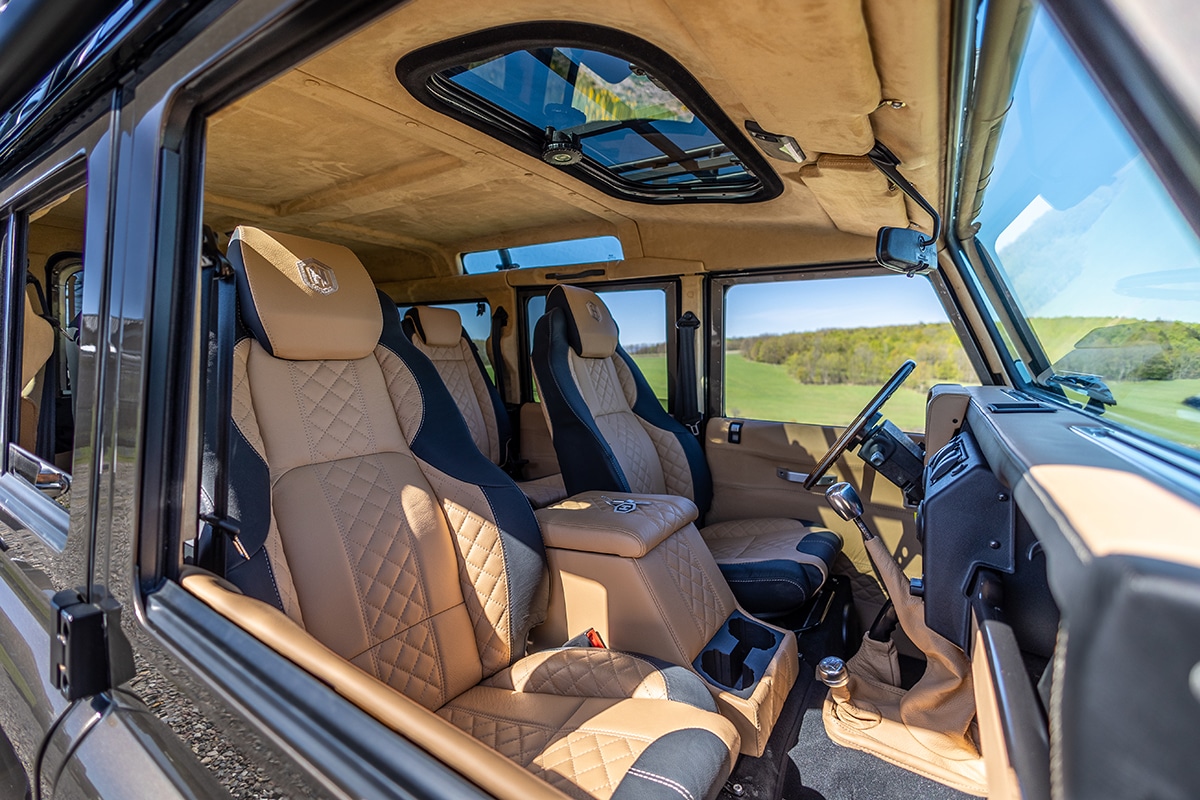
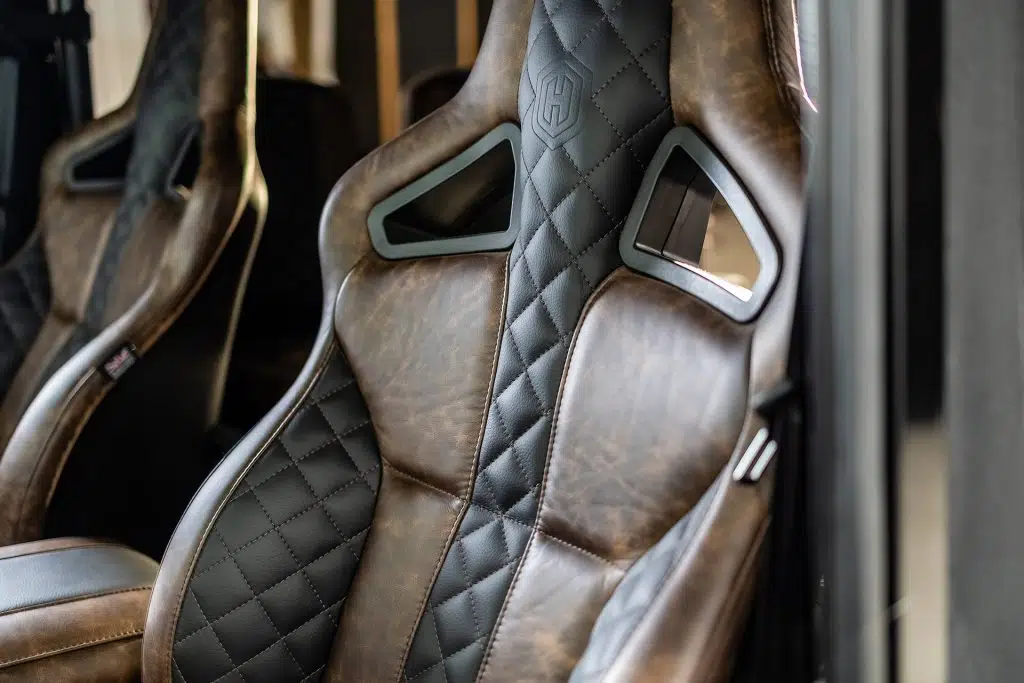
We changed that, completely. The Aurelian Cabin uses proprietary laminated glass, soundproof and UV-protected, in every window. The cabin gets multi-stage acoustic and thermal isolation behind every panel between the inside and the outside. The floor, the doors, the headliner, the bulkhead, the wheel wells. Even the cabin geometry is tuned, with leather and Alcantara on every surface that would otherwise reflect sound.

You can hold a conversation at highway speed. The driver and the passengers can talk without raising their voices. The audio system, when on, has room to breathe.

ii.Comfort

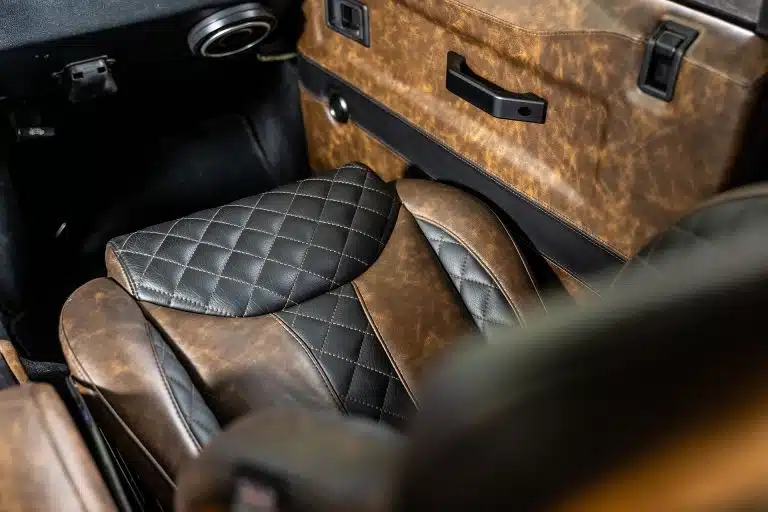
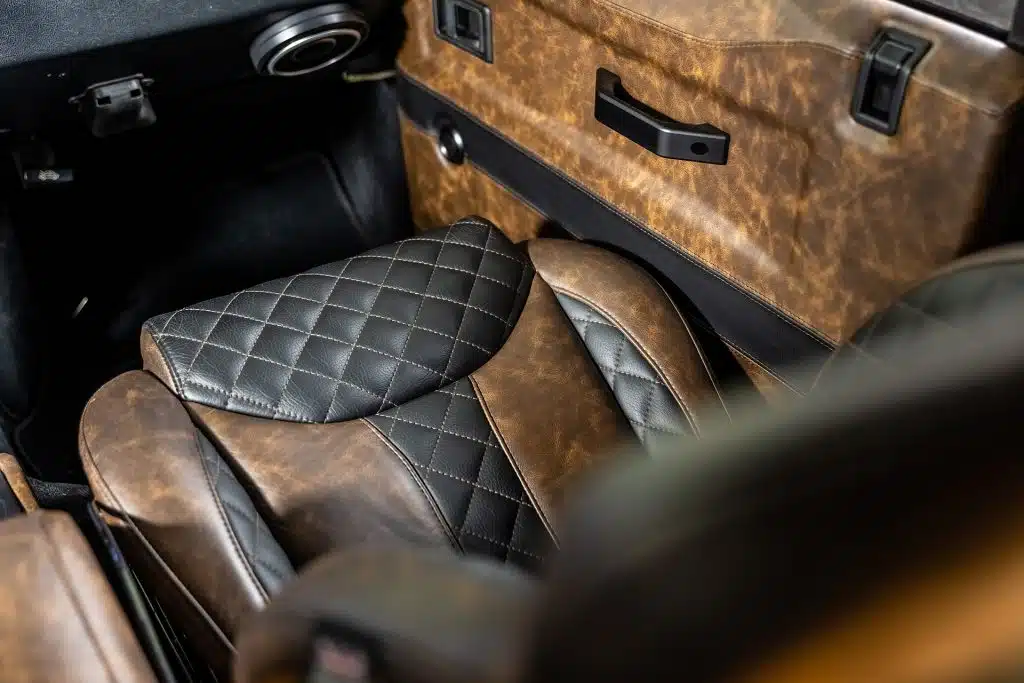
A modern luxury SUV has comfortable seats. So does a Helderburg. The difference is what the comfort is built from. A factory cabin is fitted to a moulded form, finished in production leather, and tuned for the showroom. A Helderburg cabin is fitted to the owner, finished in heavier hide, and tuned for the next thirty years of use.

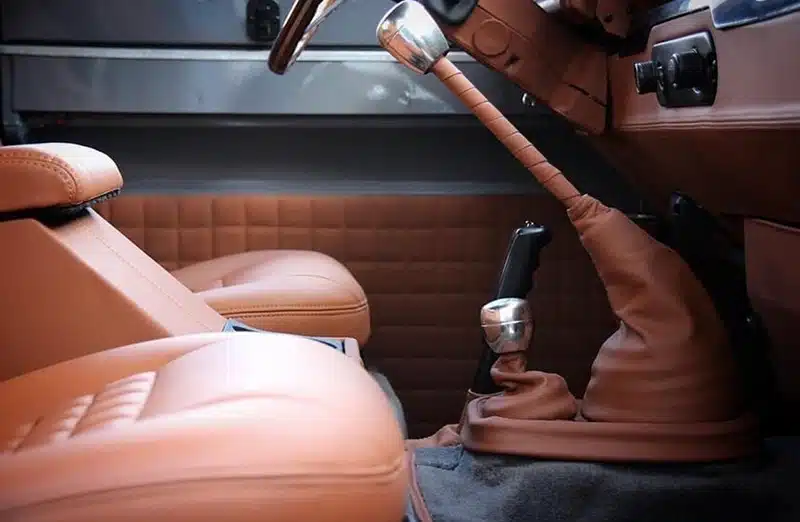
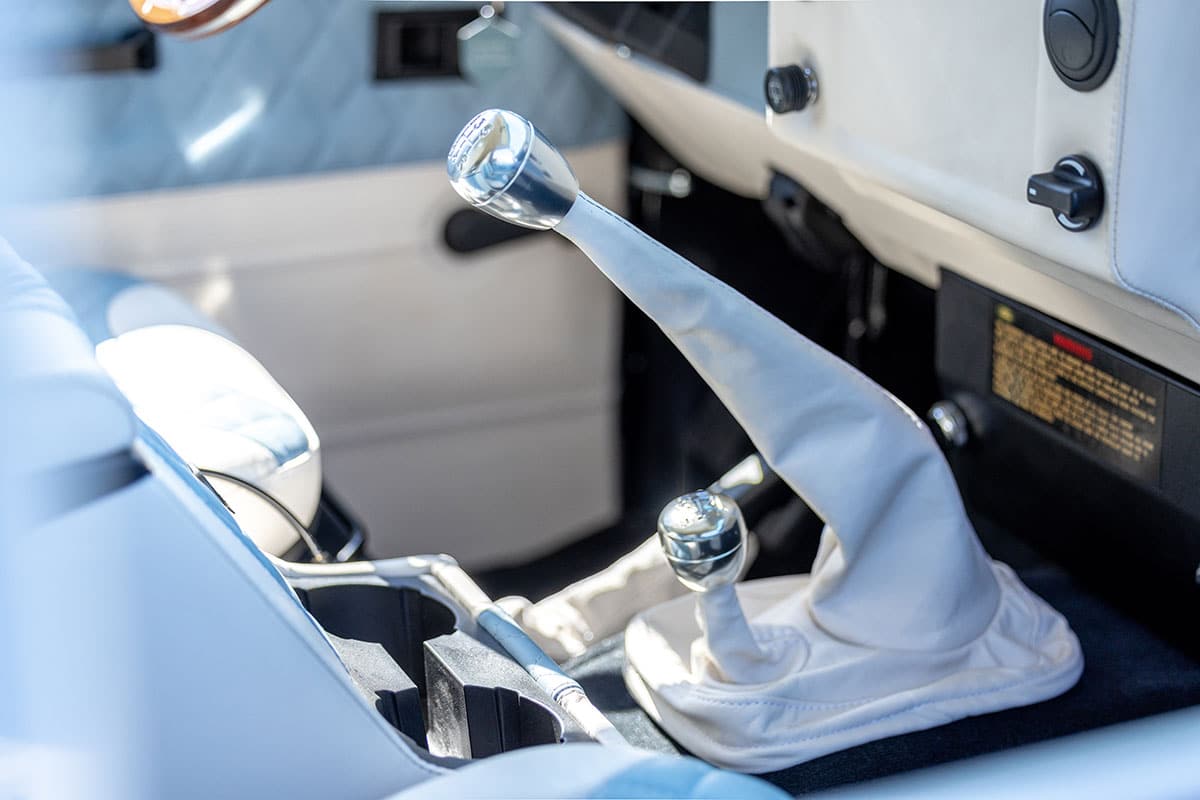
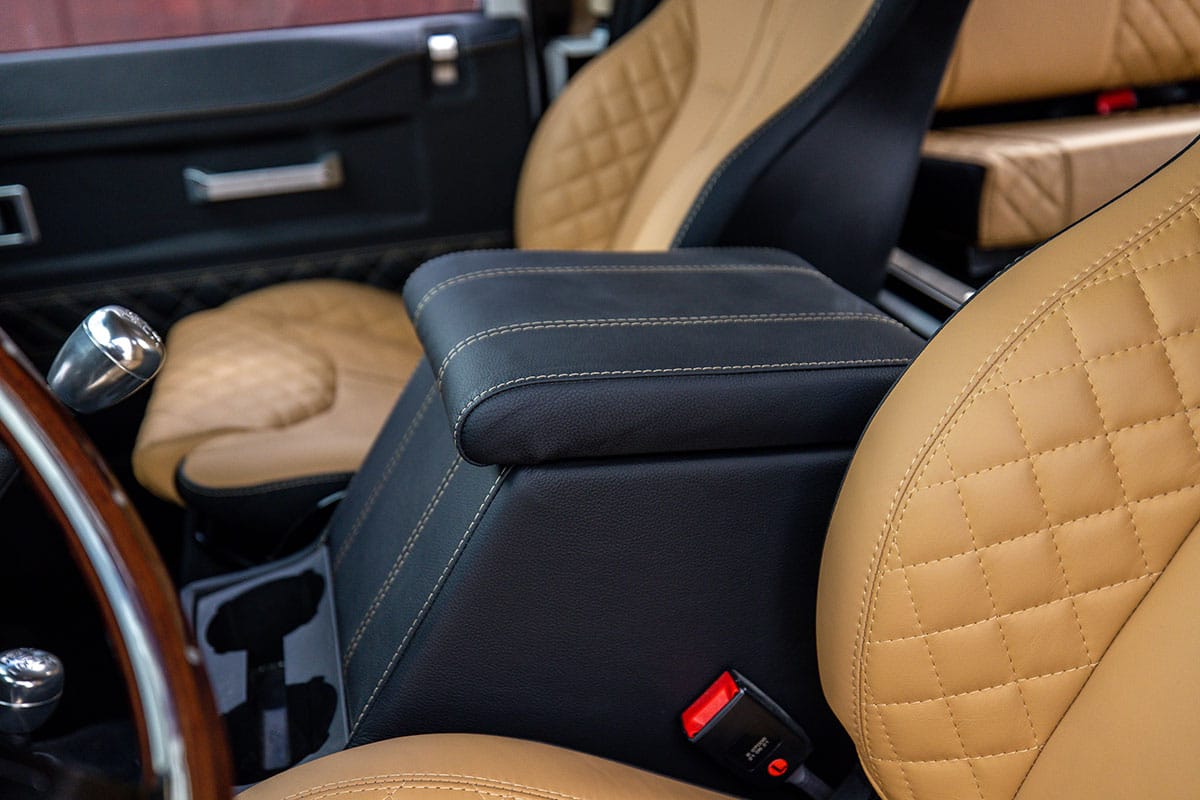
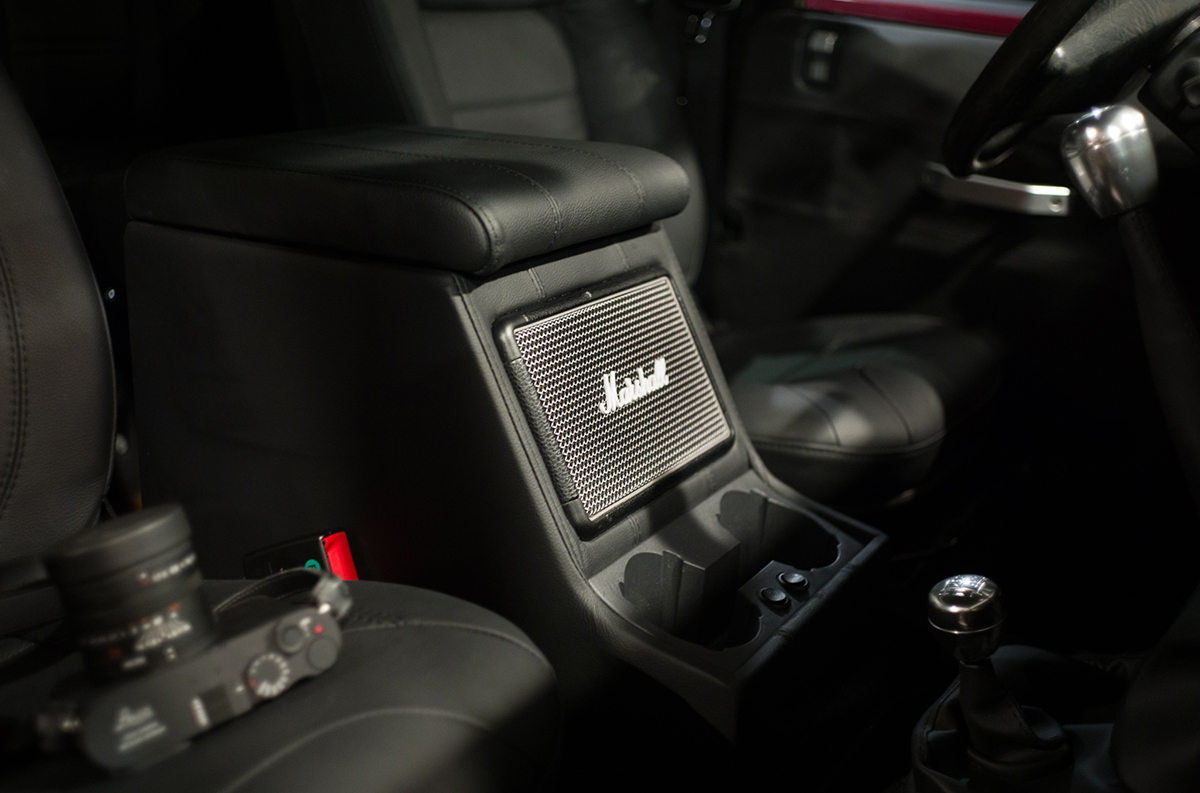
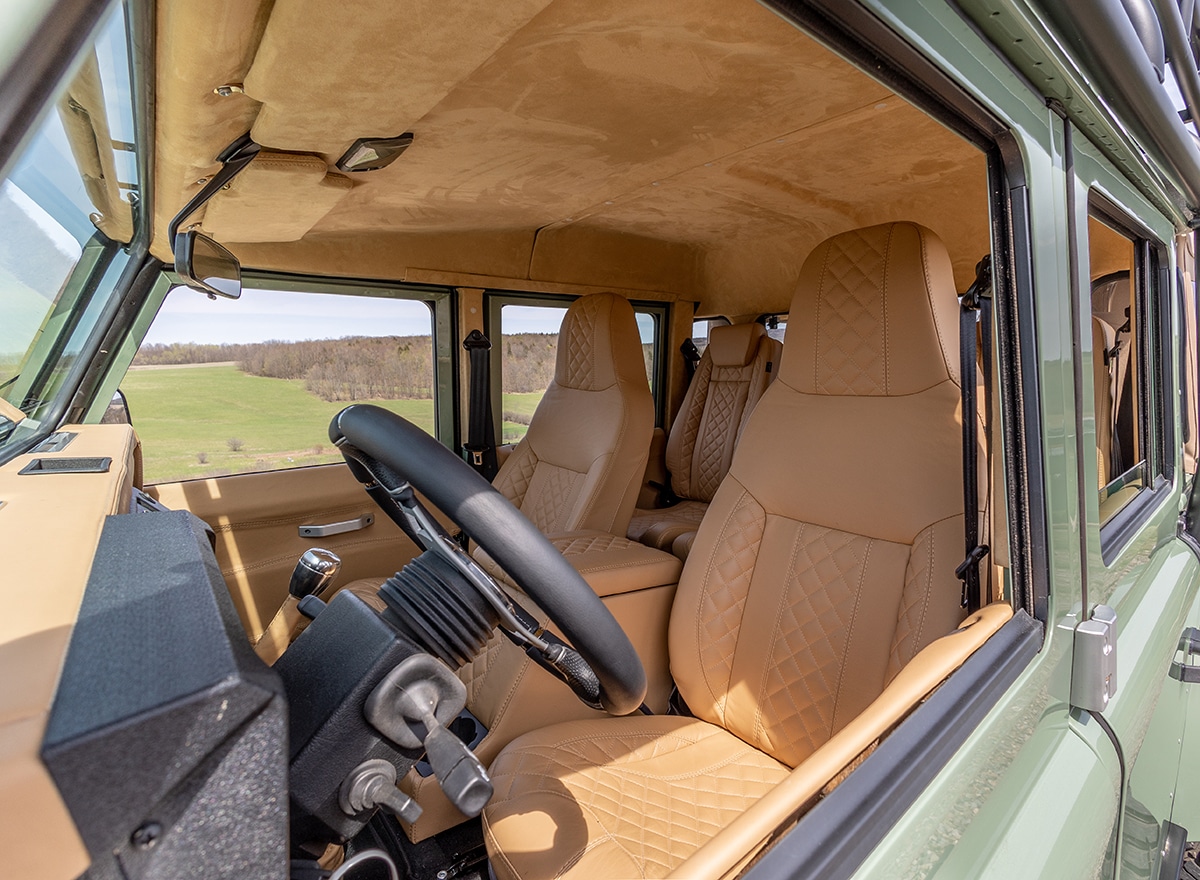
This is the part of the build no one talks about, and it is the part that matters most. The seat frame is built to the driver. The centre console is positioned for the driver's reach. The shift lever is set to the driver's hand. The steering wheel is sized and thickened to the driver's grip. Our tallest client to date is six feet, nine inches, and the cabin he sits in is unrecognisable from the one a five foot five driver sits in. Both are right. They are different vehicles.

If the owner's spouse drives the vehicle too, we set both positions before we cut a single piece of leather. If the owner has a teenage son who will inherit the vehicle in fifteen years, we know that too. The cabin is not adjusted to the buyer. It is built for them.
iii.Light

Modern vehicles use bright white interior lighting because it photographs well and shows off the technology. We do not. The Aurelian Cabin is lit with ambient LEDs set to warm, low tones. Dim enough not to fight the dashboard at dusk. Warm enough to feel like a study at home.

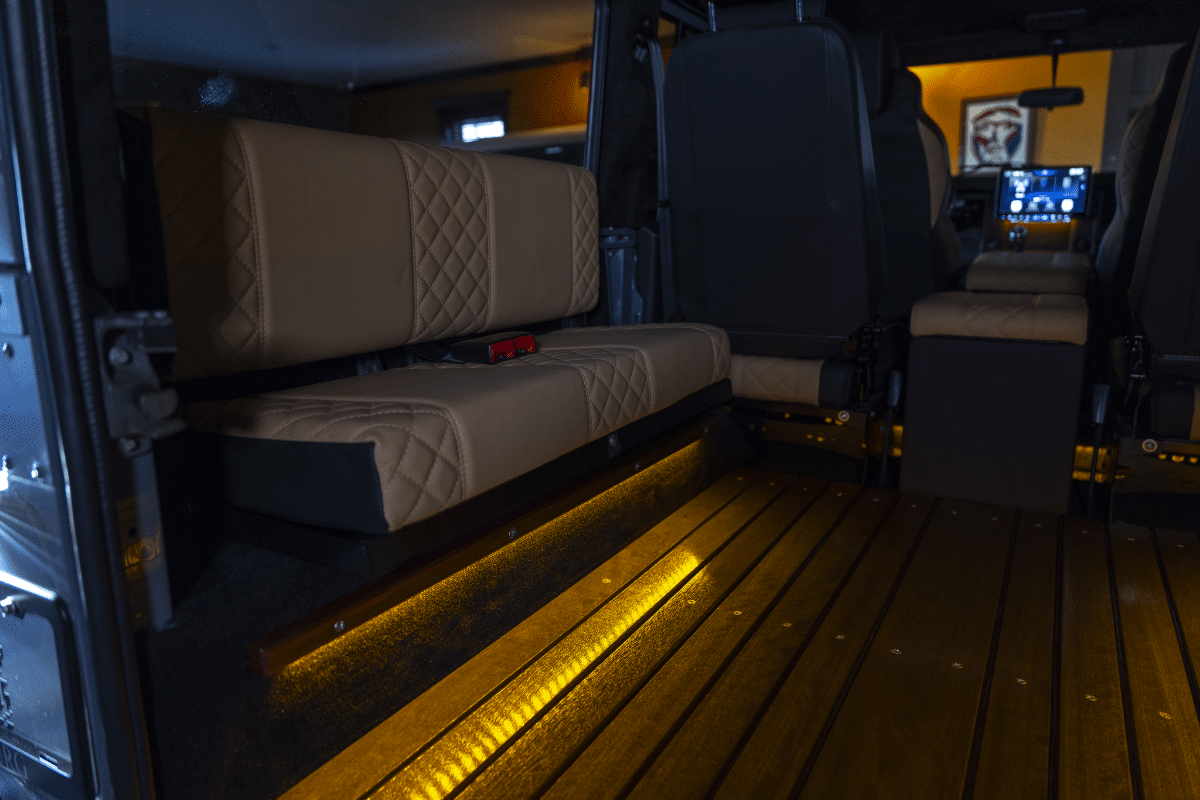
The lighting is set in the door sills, under the dash, in the foot wells, along the headliner trim, and behind the copper plate at the centre of the dash. It is the cabin you want to find at the end of a long day, in a way no factory light has ever been.

iv.Material

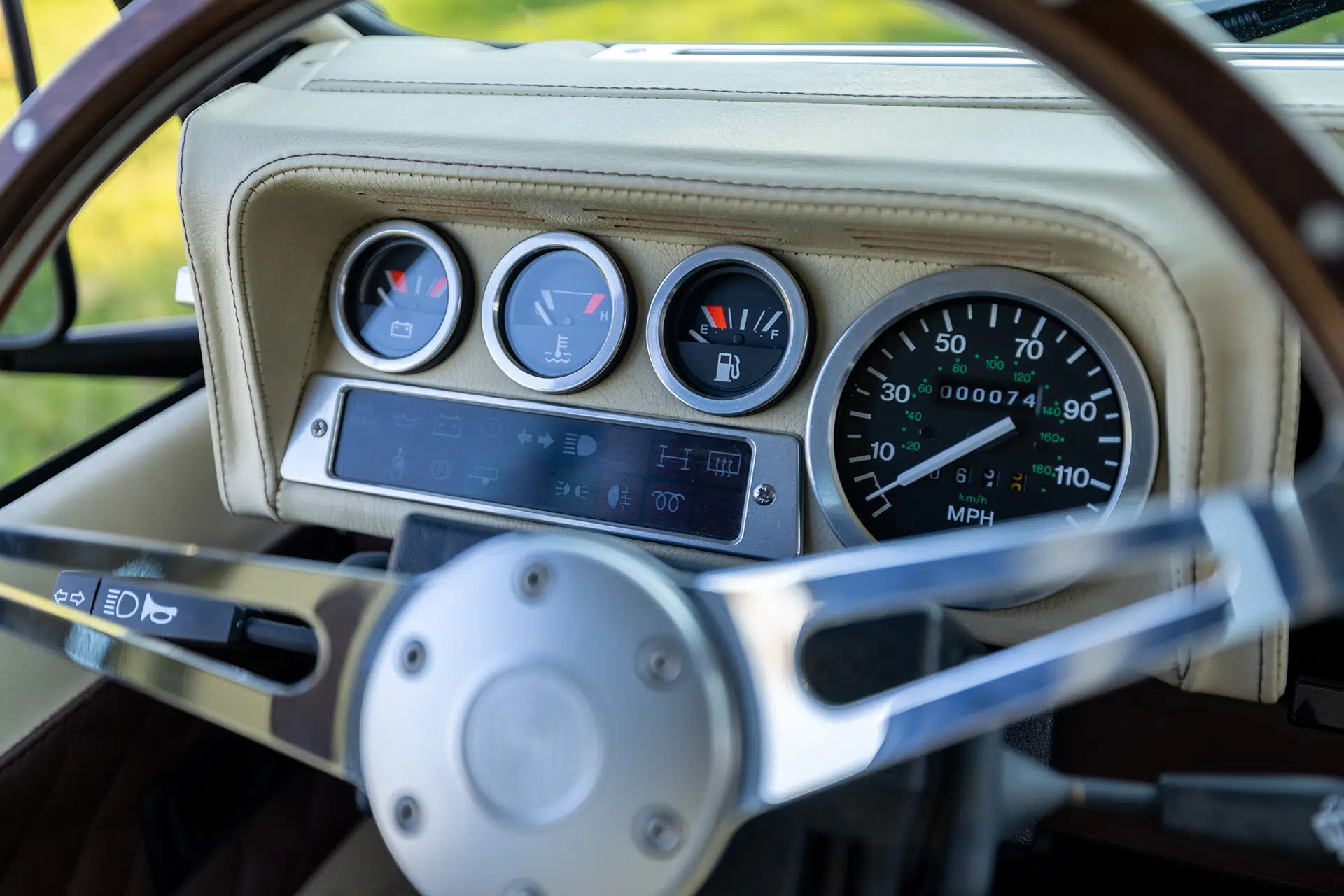
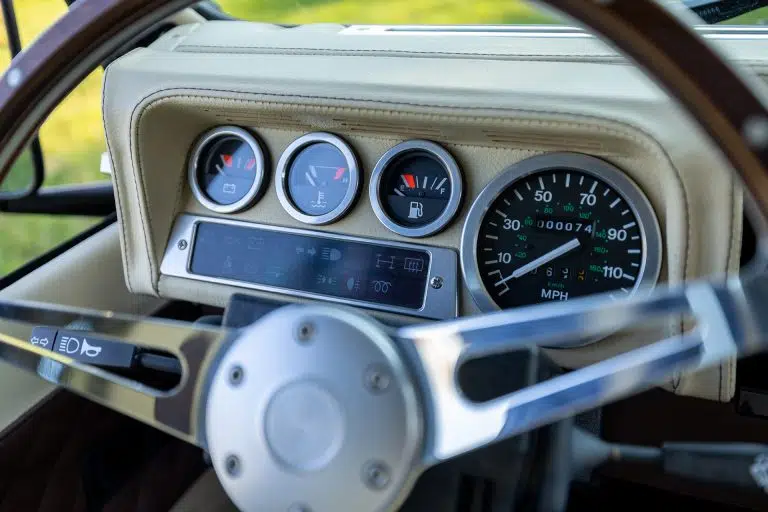
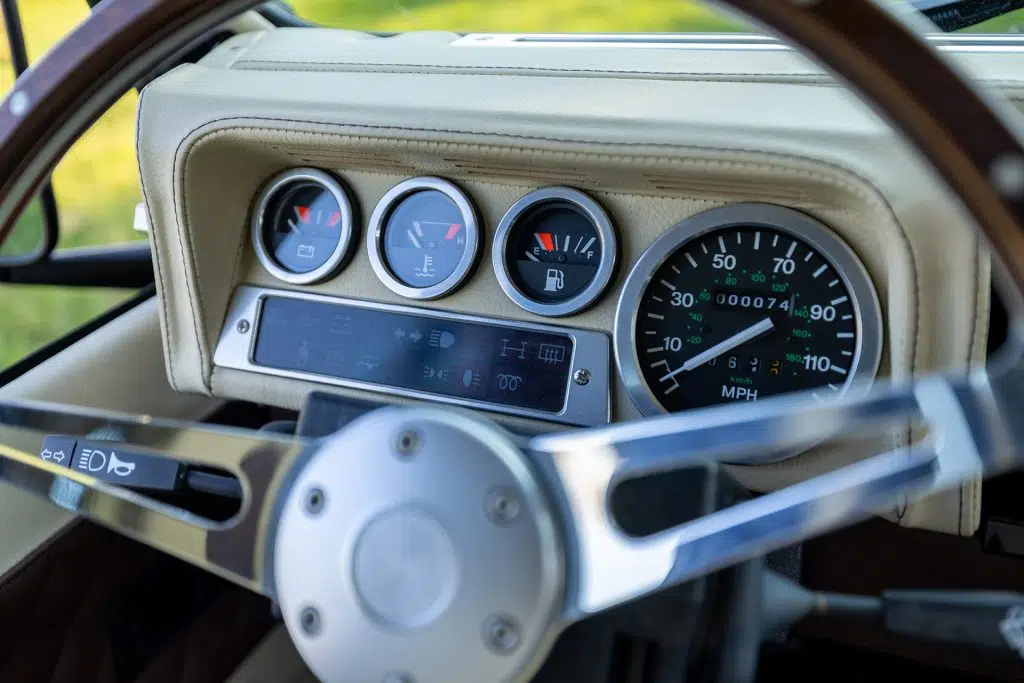
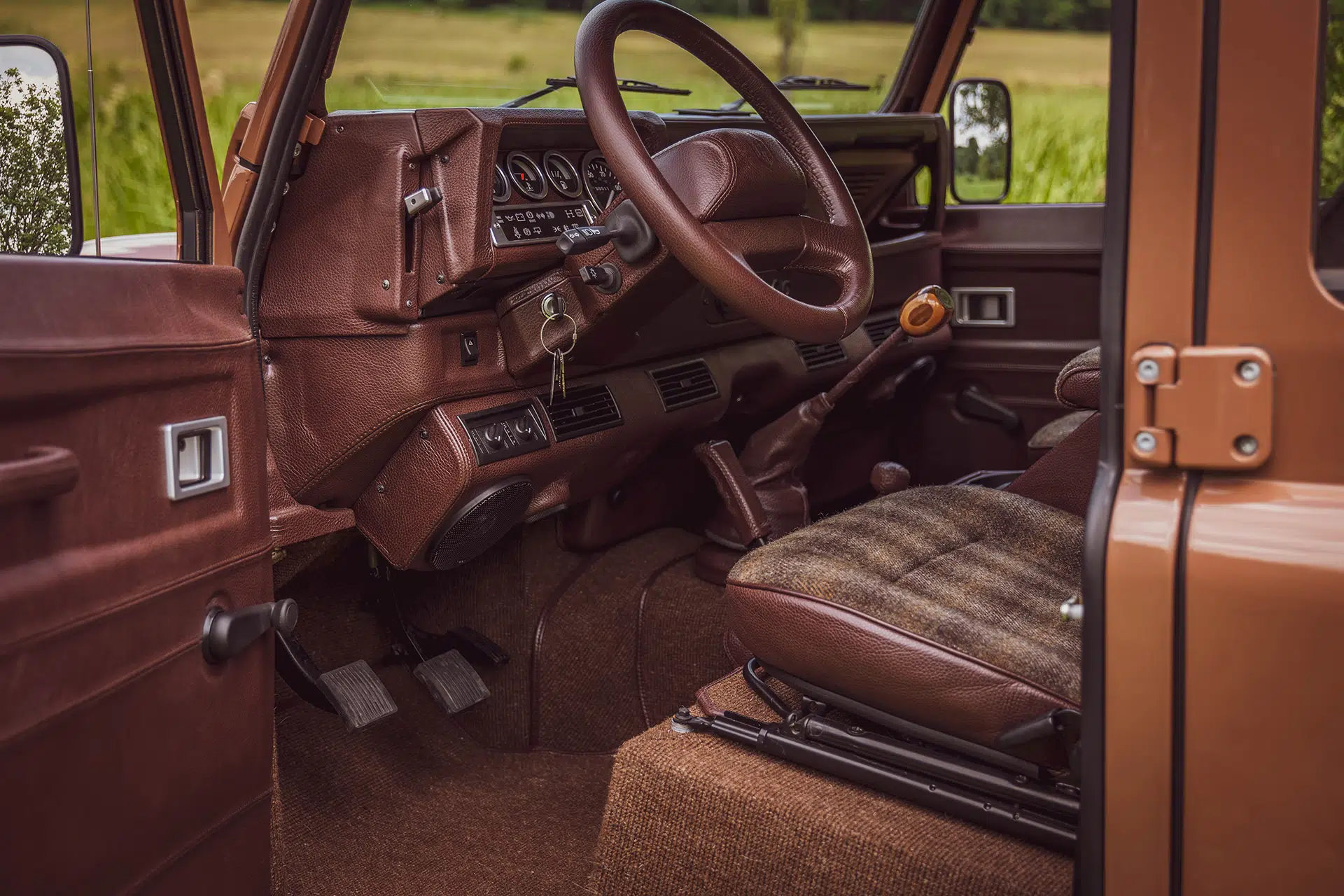
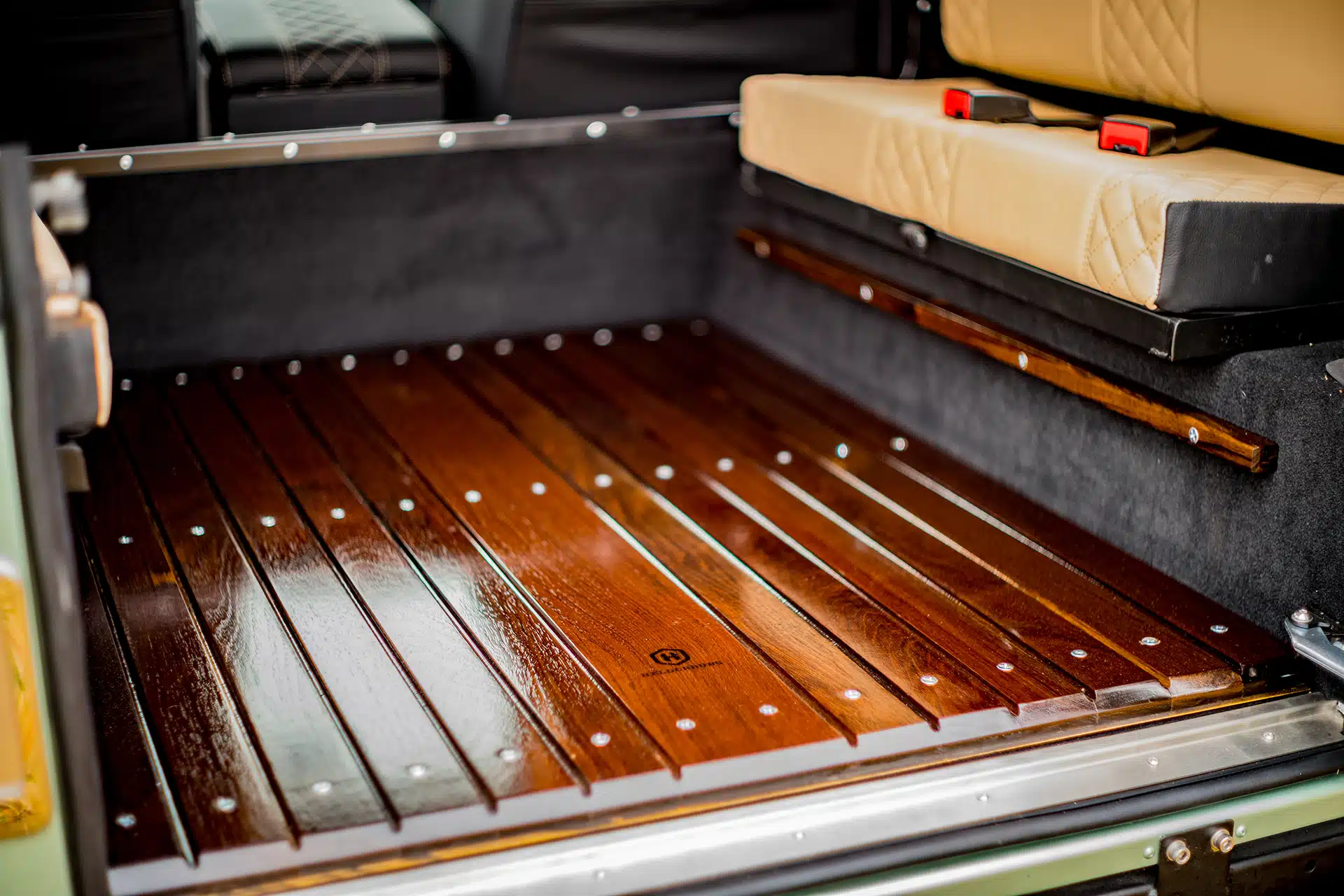
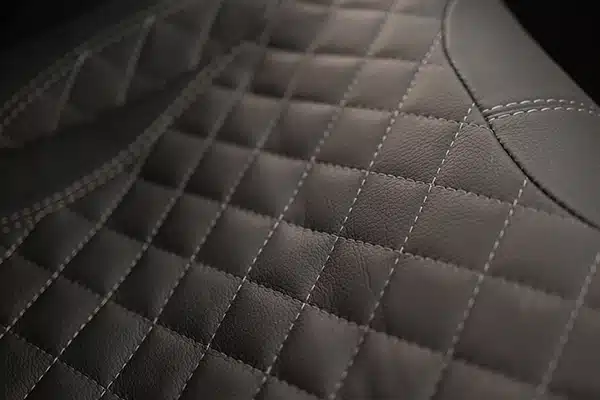
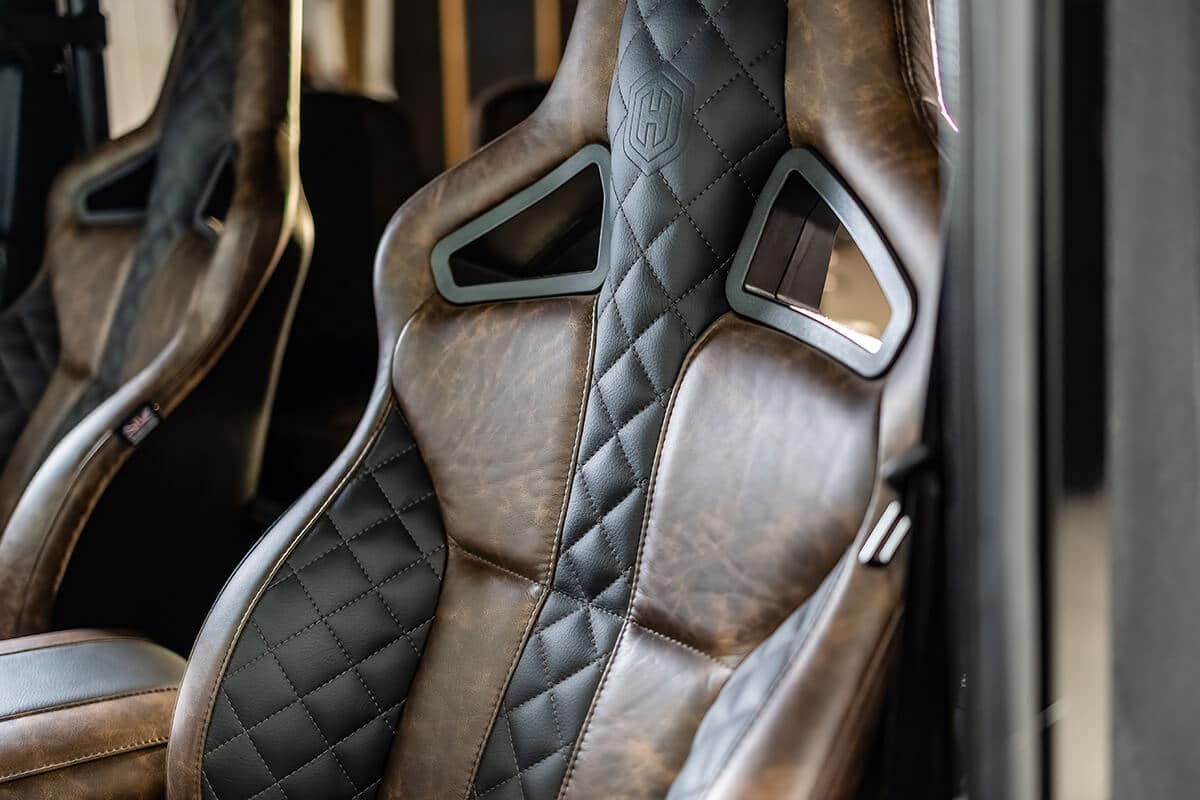
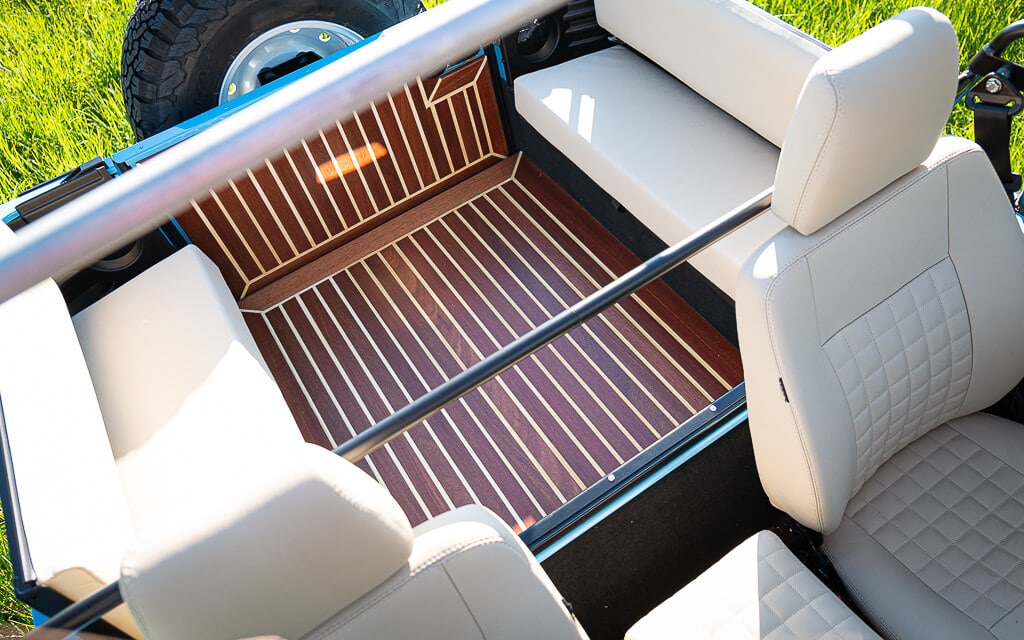
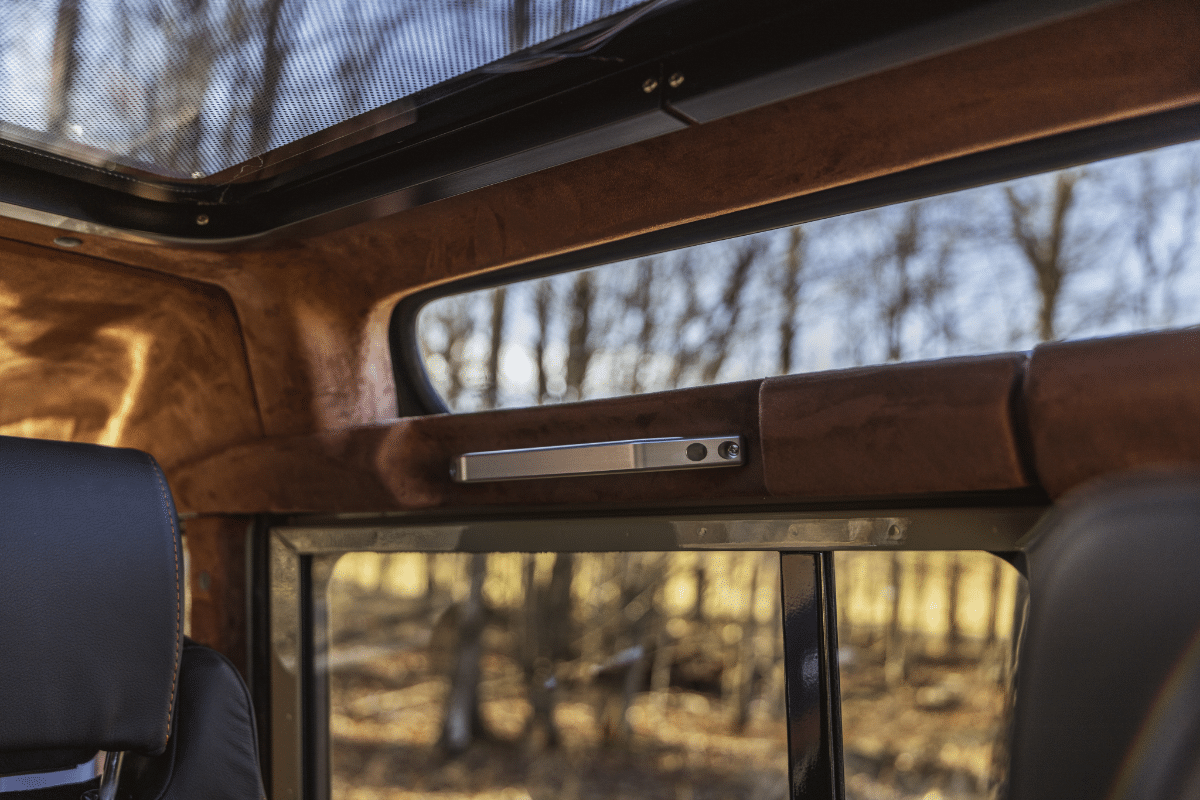
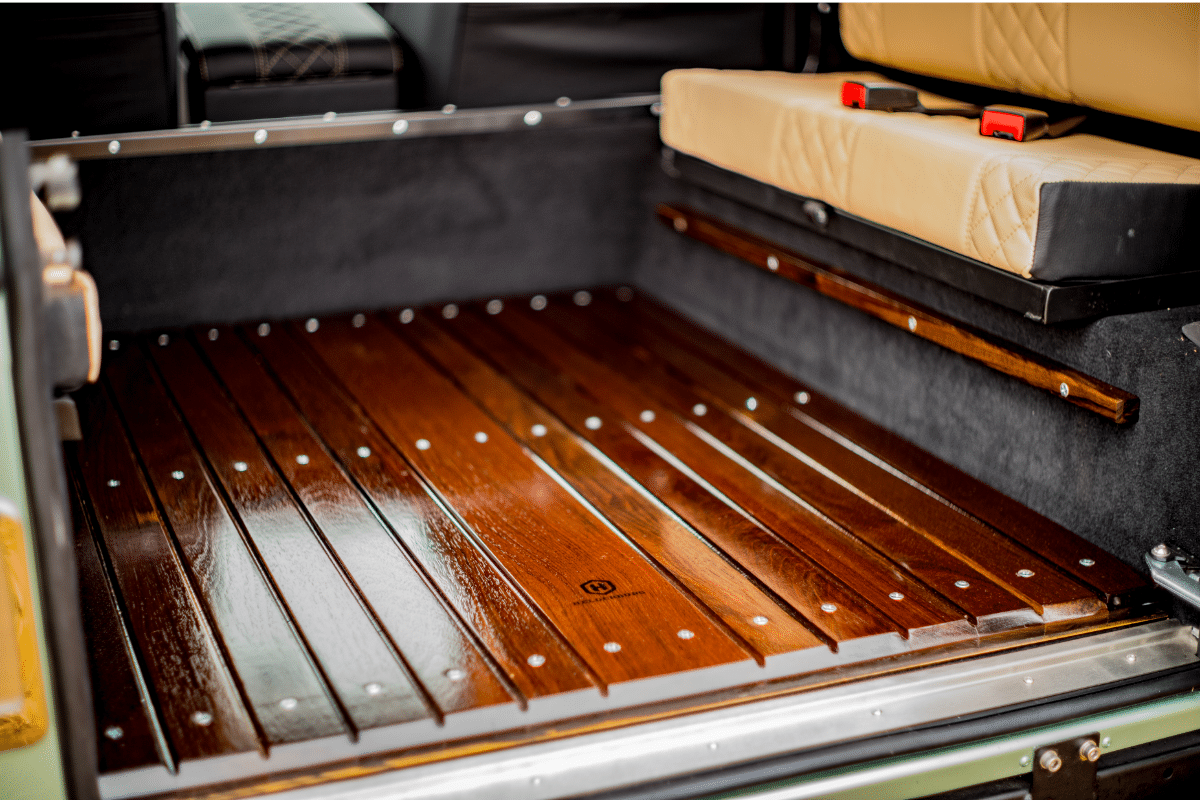
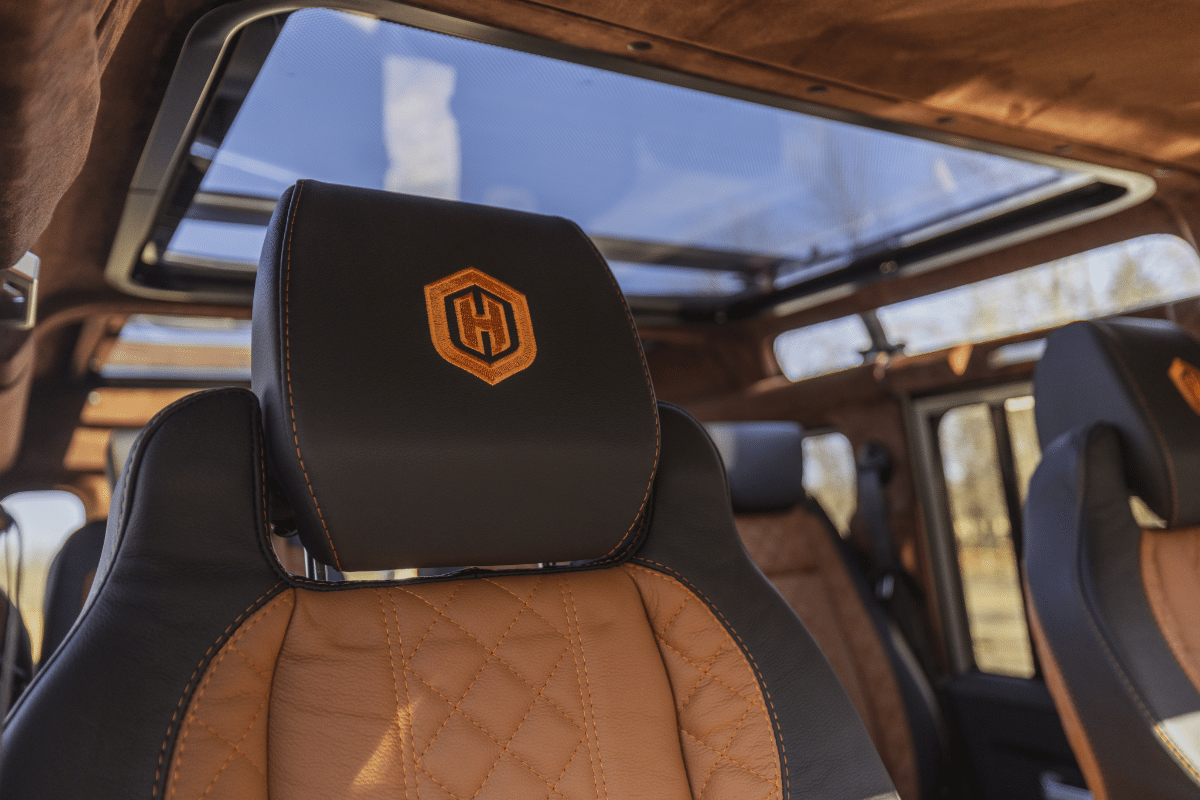
This is the chapter where most of the cabin actually lives, and it is where the four paths begin. Every Helderburg cabin is trimmed in leather throughout, hand worked, and selected for the way it ages. Exotic wood, mahogany or black walnut or spalted maple, finishes the steering wheel and the cargo floor. The headliner and pillars are dressed in Italian Alcantara. The personal mark of the cabin, the hand-engraved details on the gauges, the threshold plates, the gear selector, is the work of Edward Ashcomb. Three hundred hours by hand, drawn before it is cut.

Each of these has its own study. The cabin you end up with depends on the path you choose through them.
The long way is the point.

Built to One Driver

The seat, the wheel, the shifter, sized to the owner.

This is the quiet detail no one asks about, and the one every owner notices on the first drive.

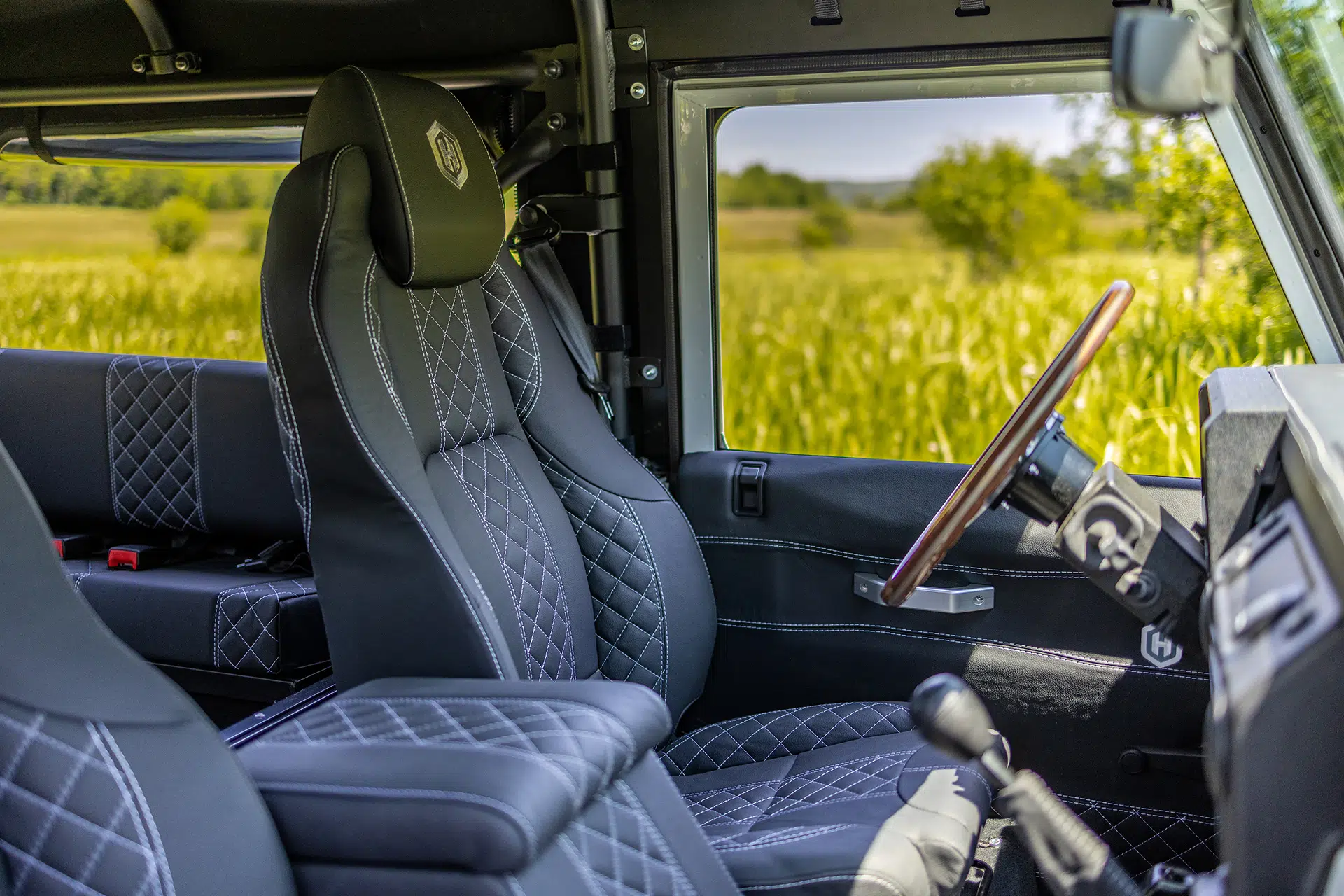
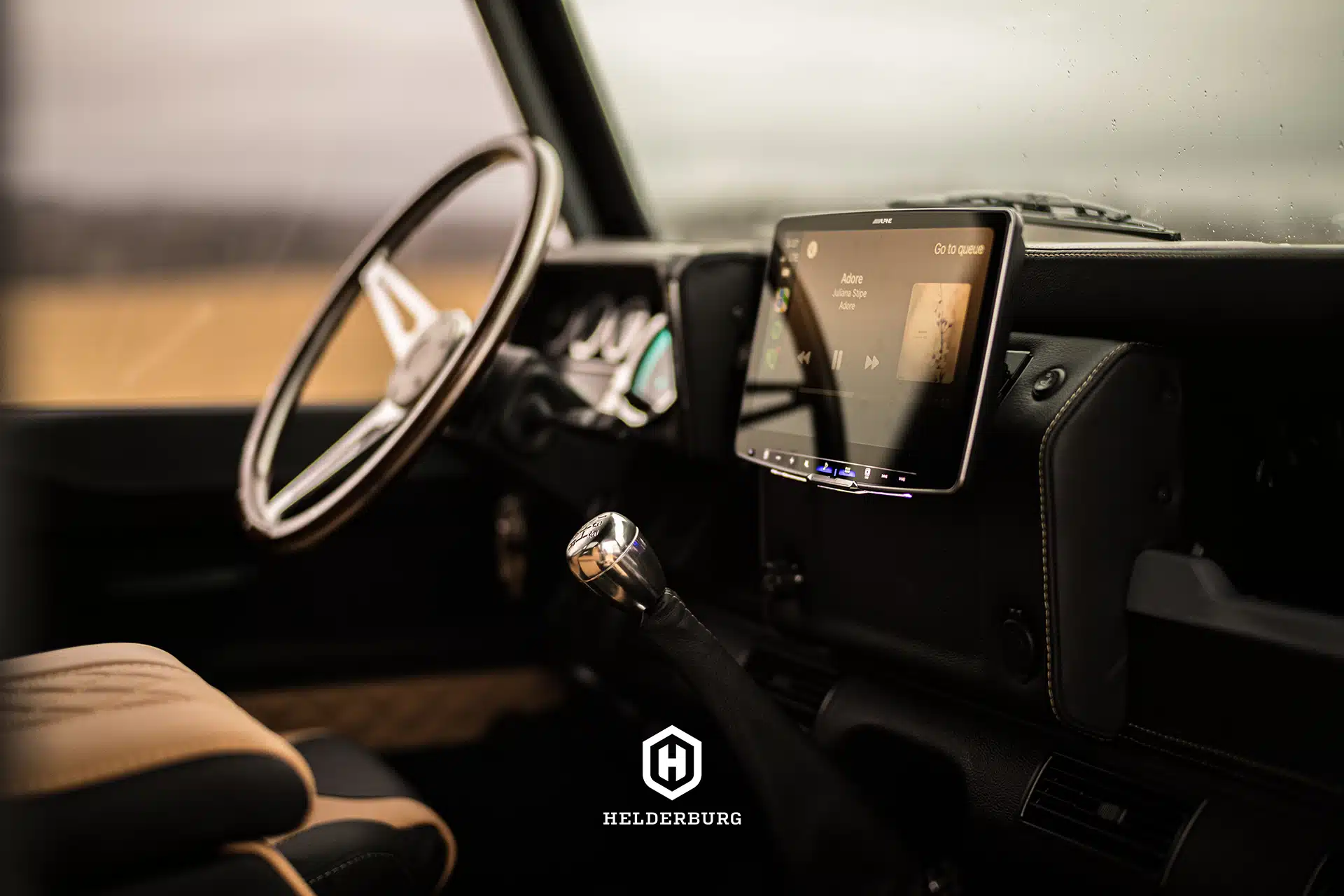
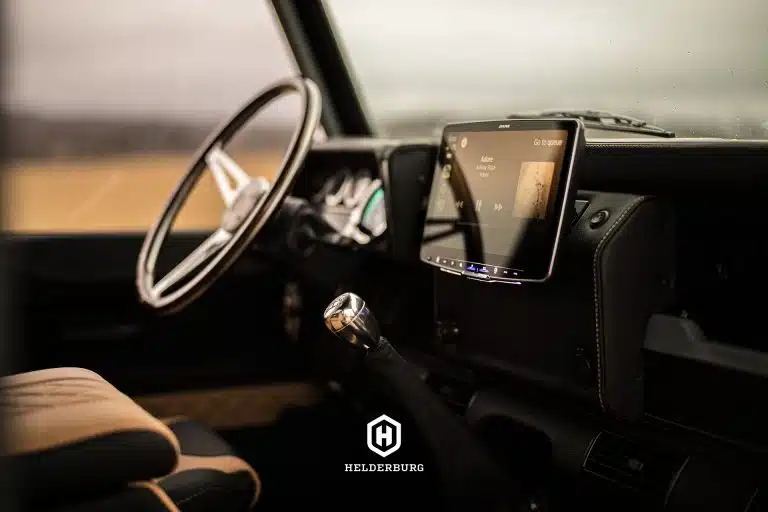
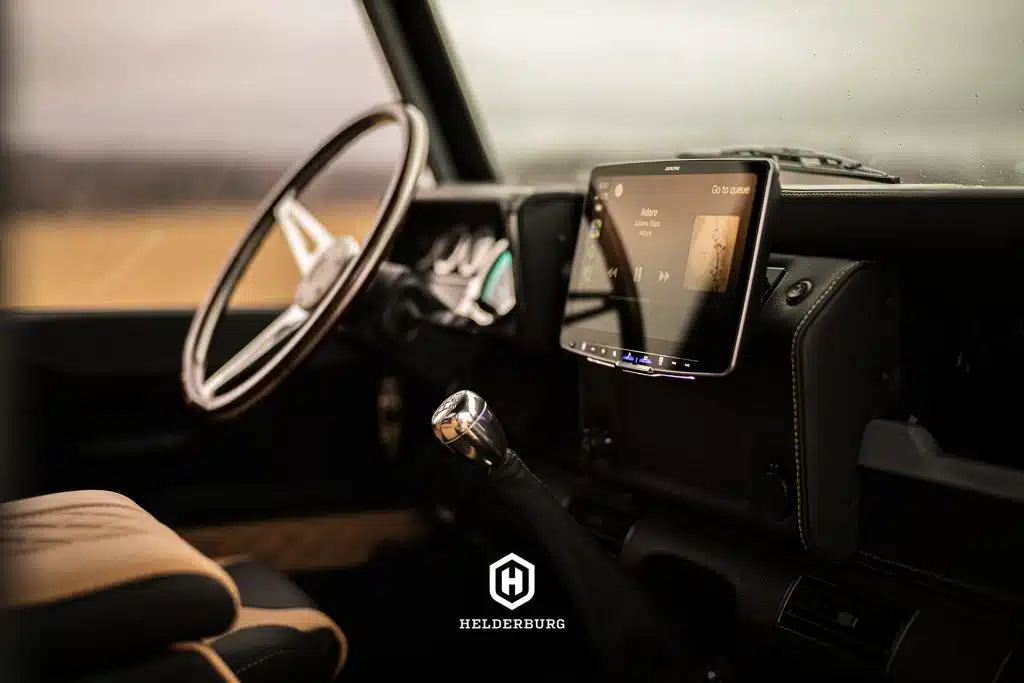
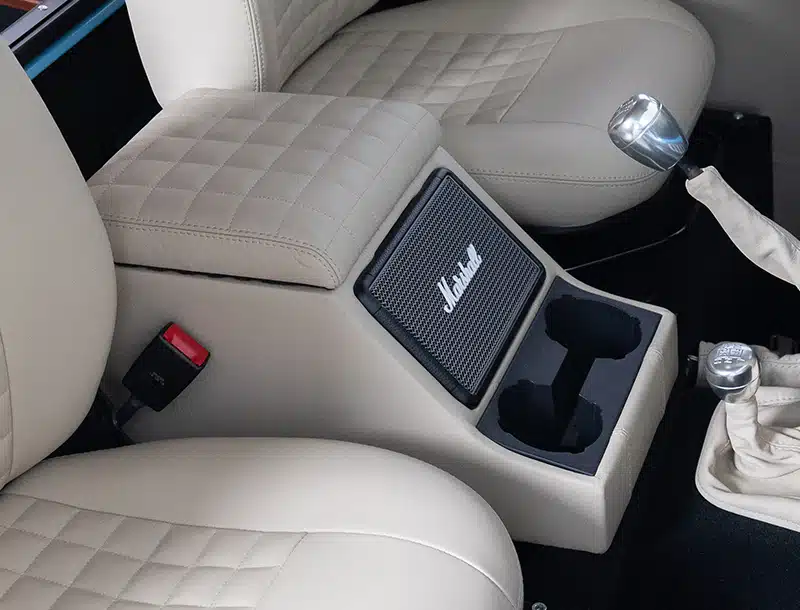
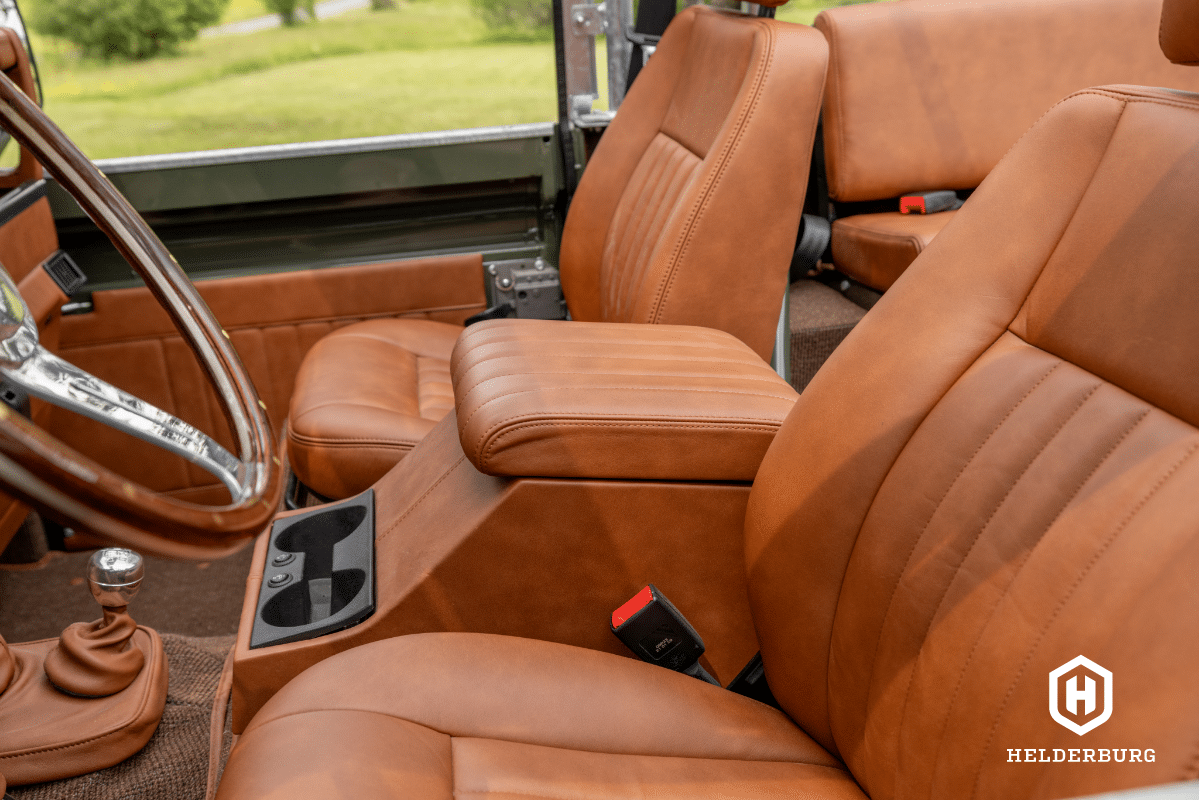
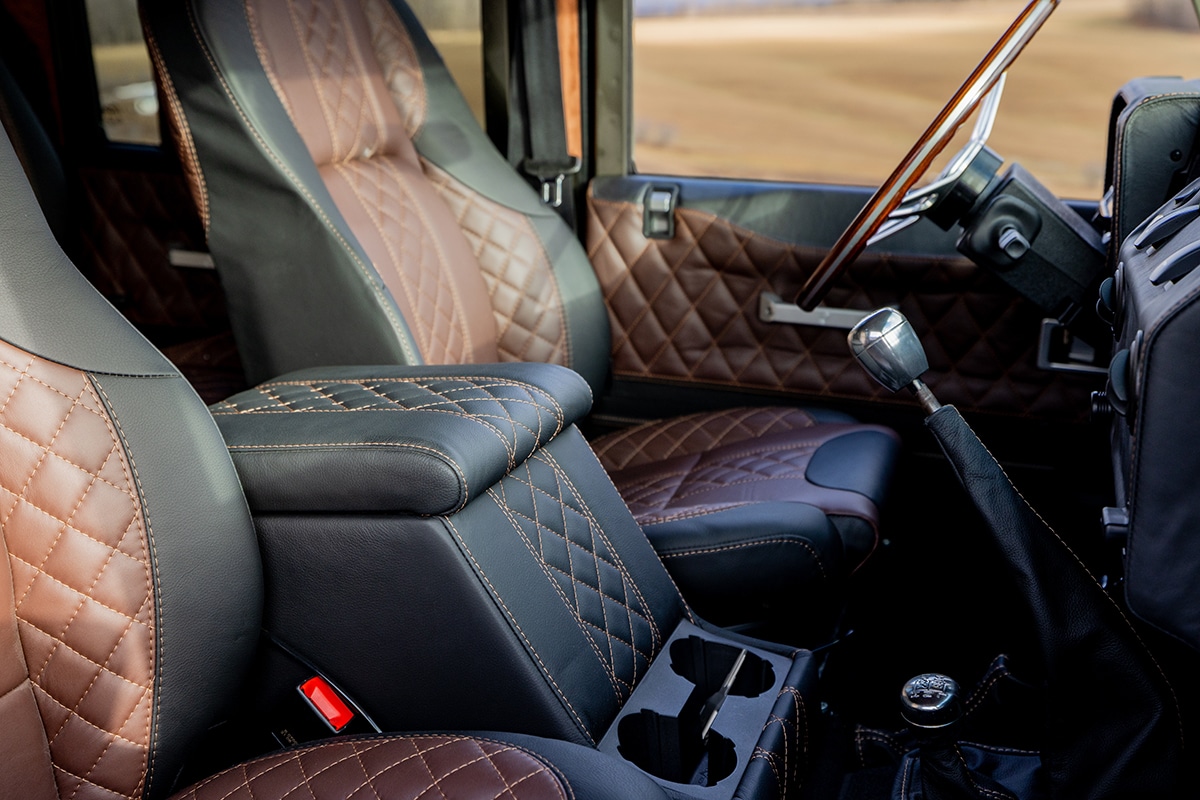
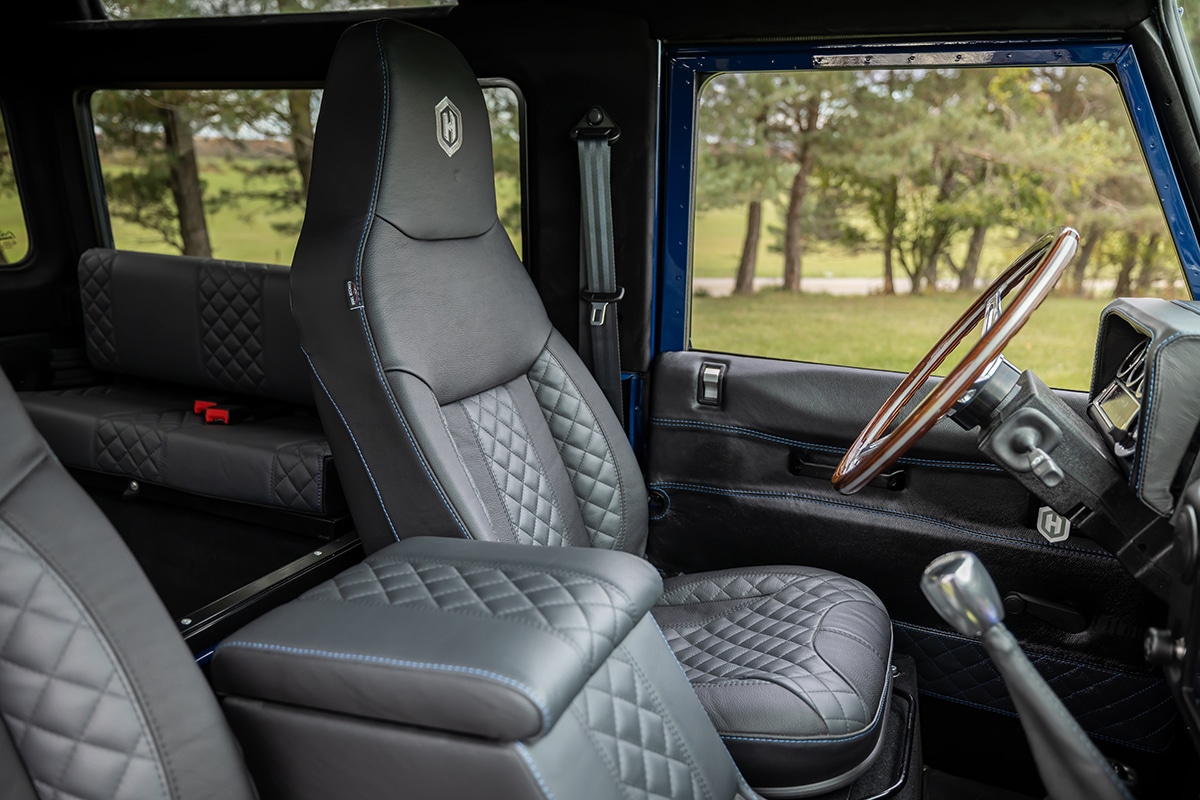
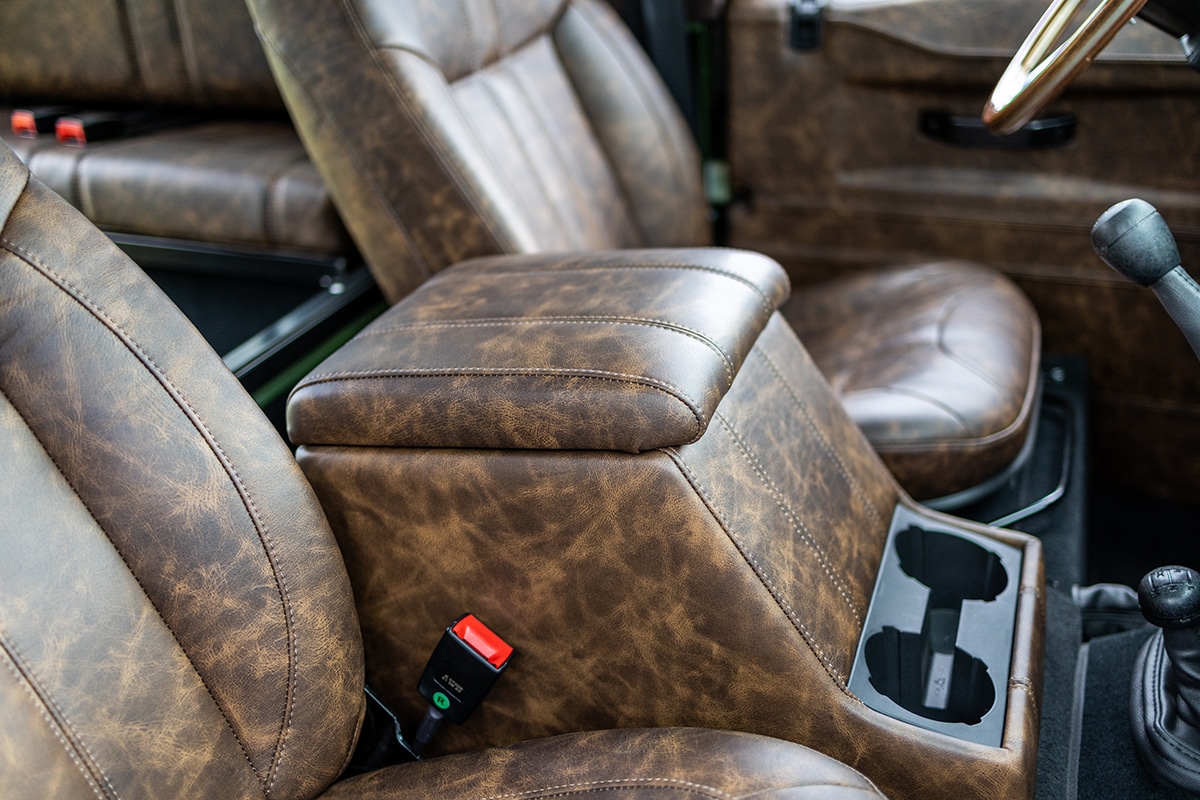
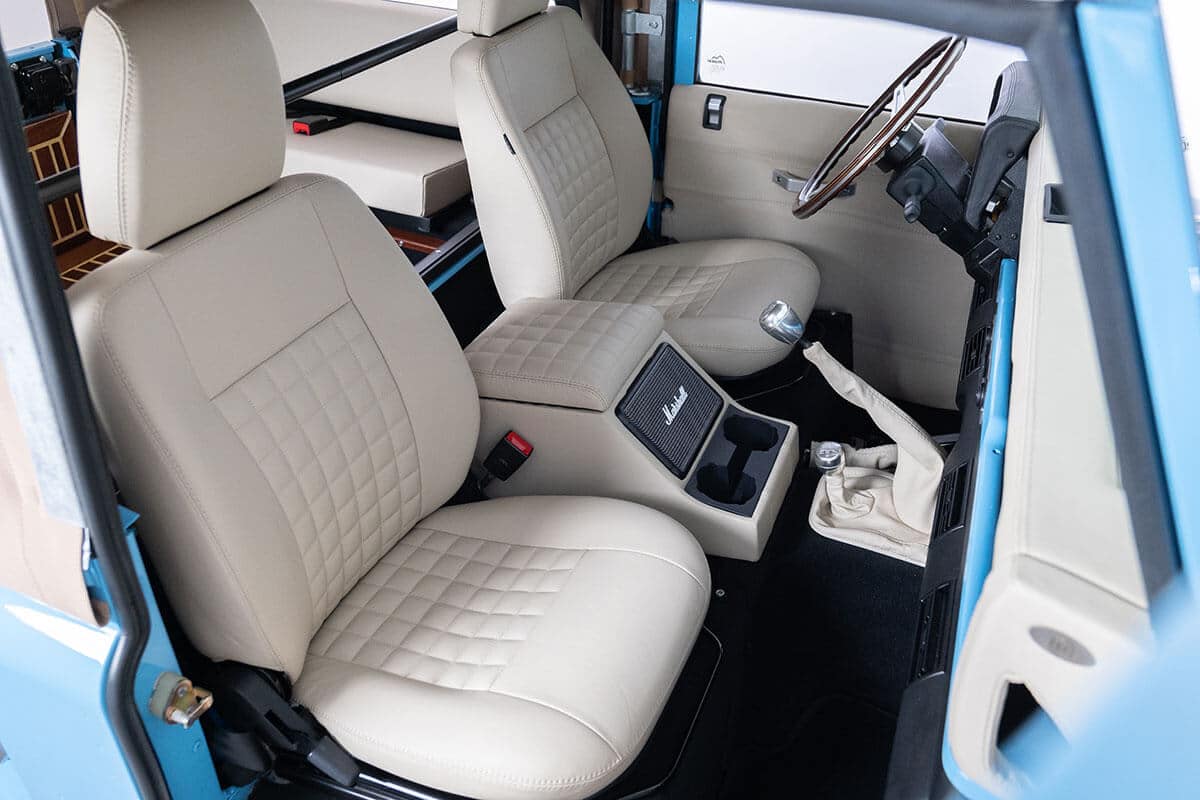
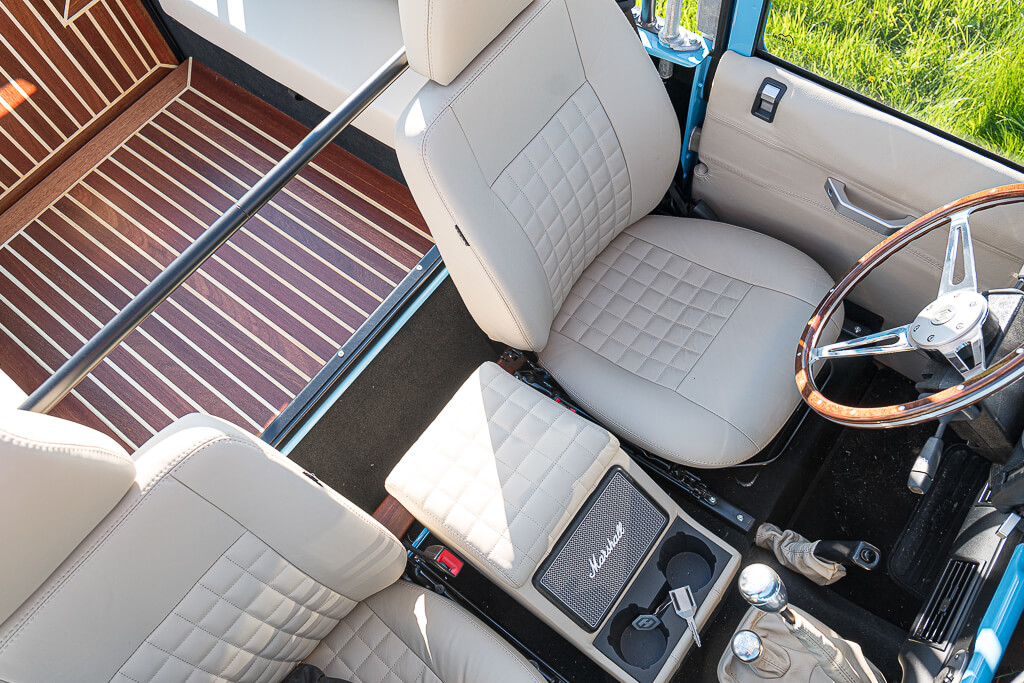
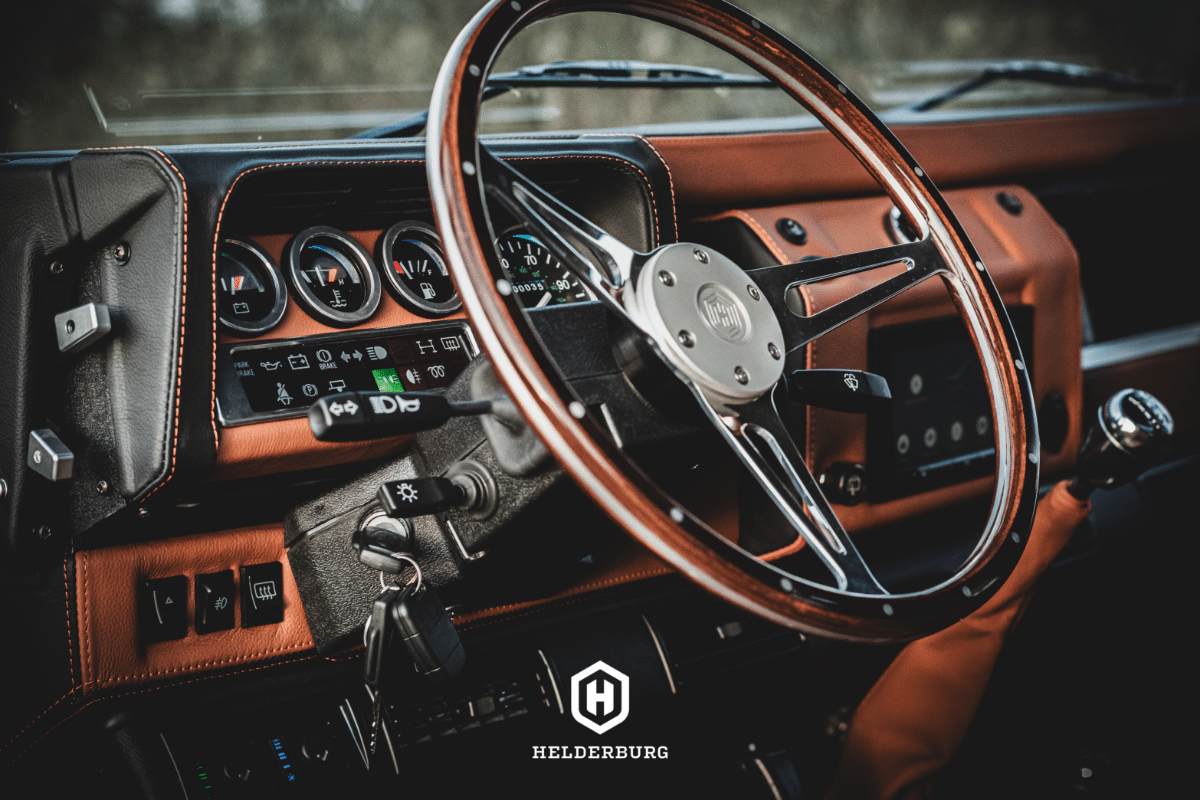
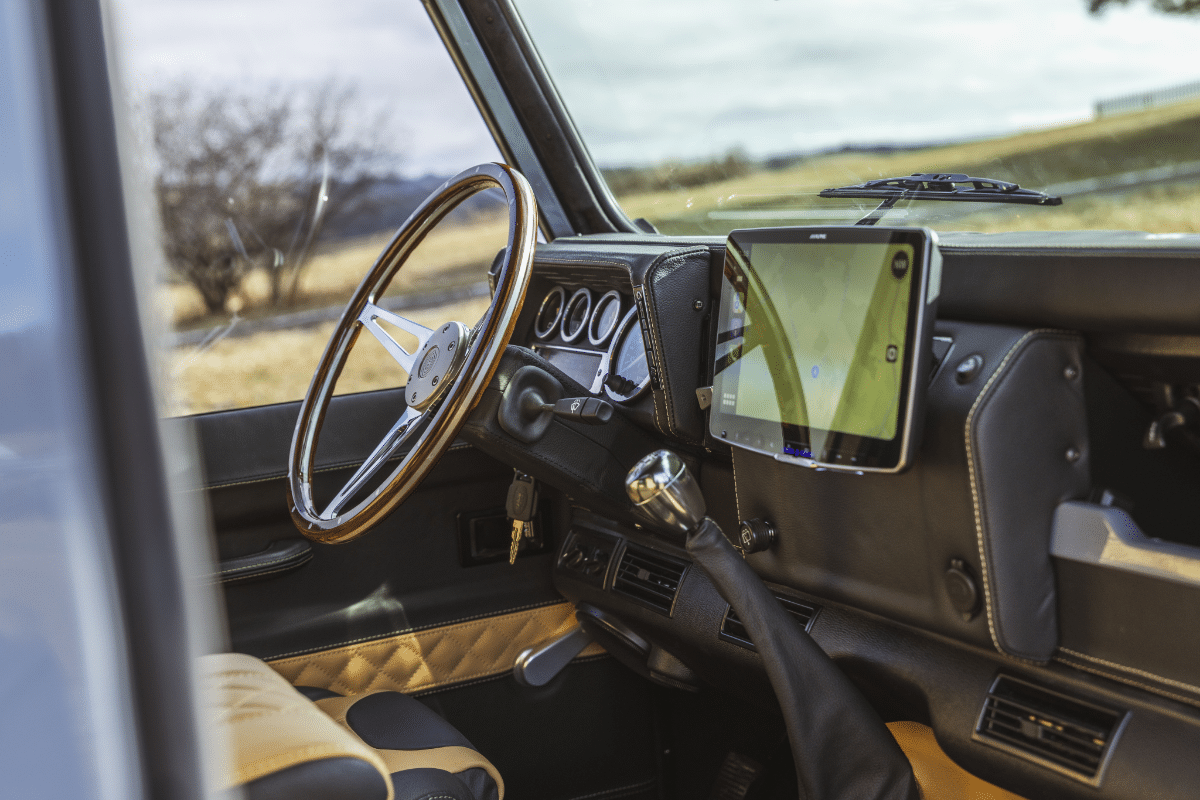
Every Helderburg cabin is built around a single driver. The seat frame is fabricated to the owner's body, not chosen from a catalogue. The centre console is positioned for the owner's reach. The shift lever is set to the owner's hand. The steering wheel is sized and thickened to the owner's grip.

The tallest client we have built for stands six feet, nine inches. The cabin he sits in is unrecognisable from the one a five foot five driver sits in. Both are right. They are different vehicles. We measure before we draw.

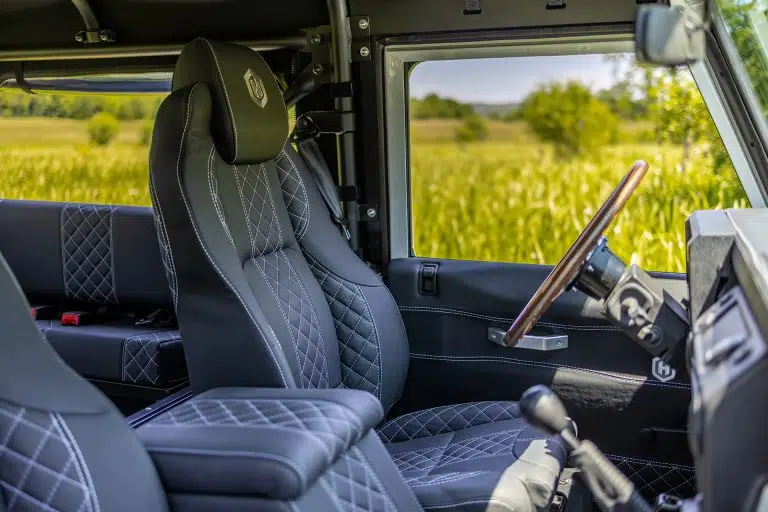
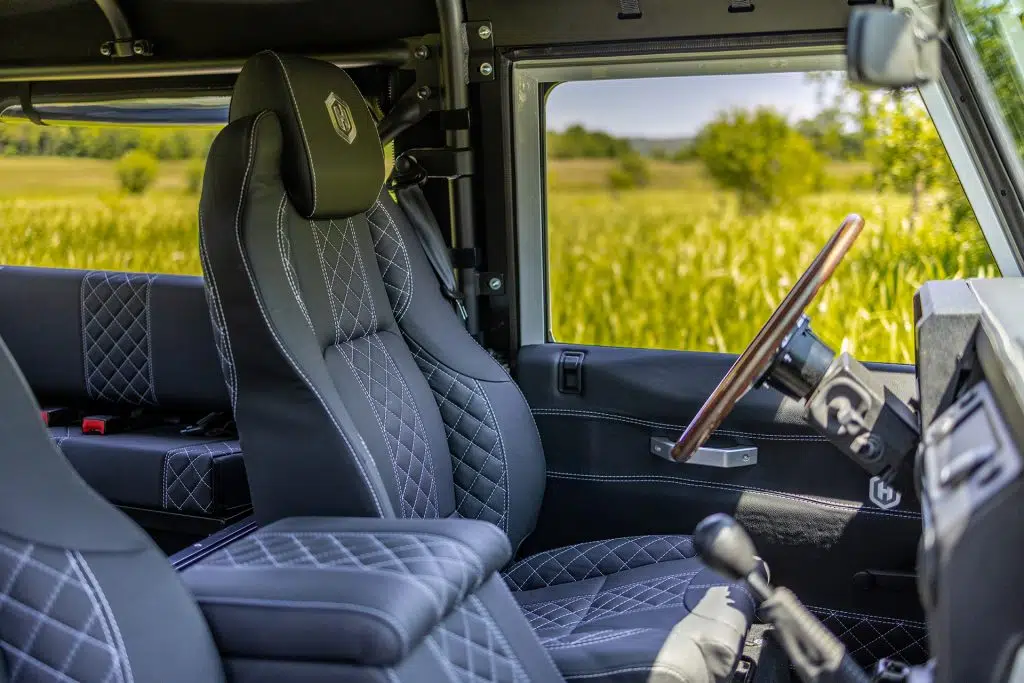
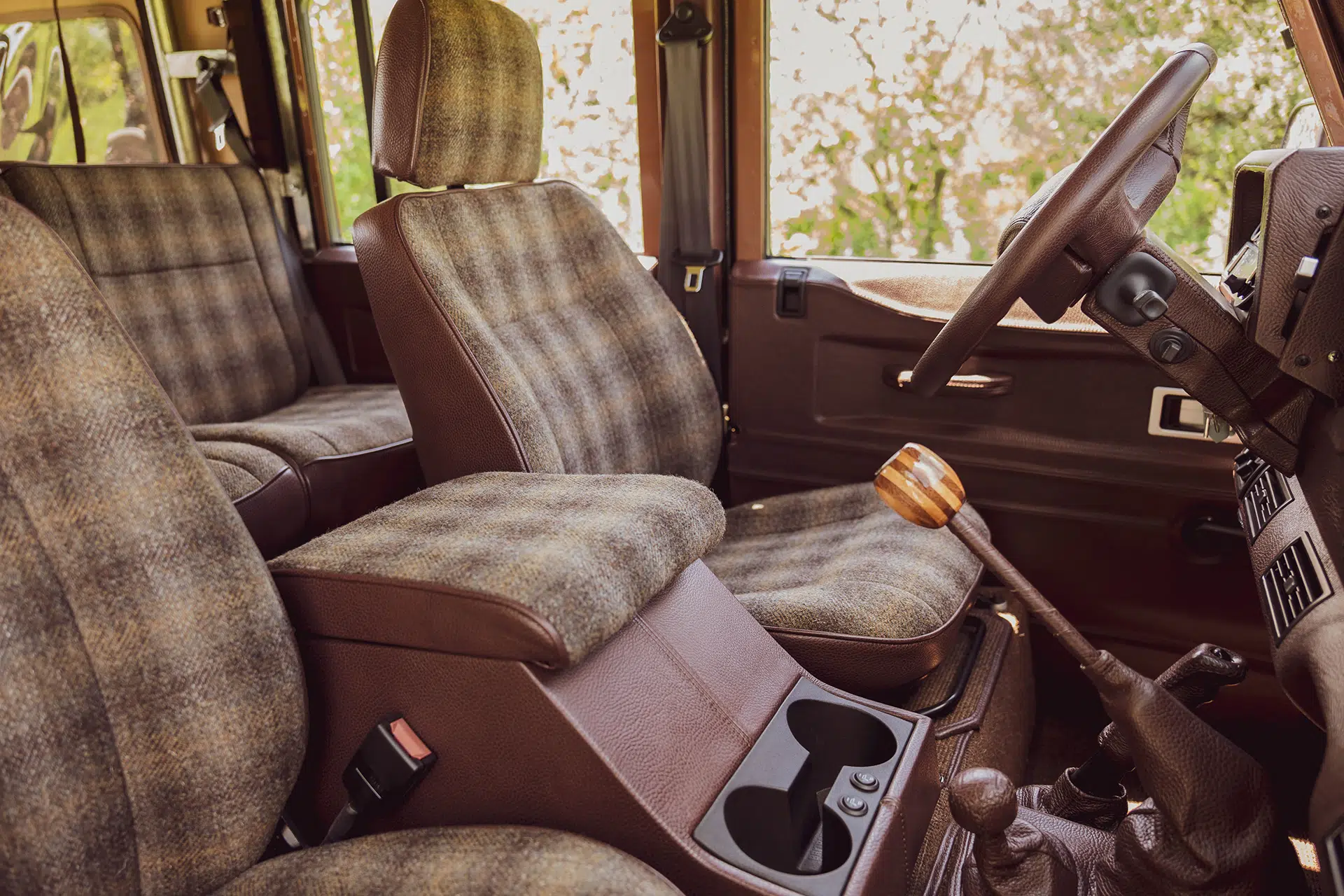
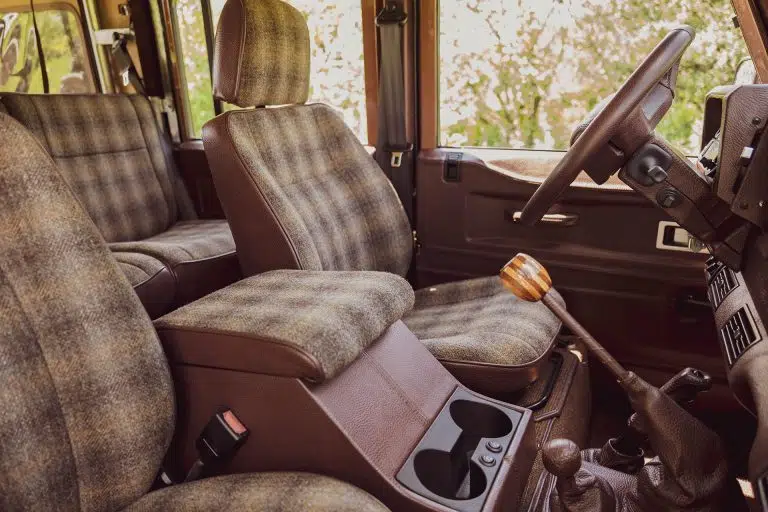
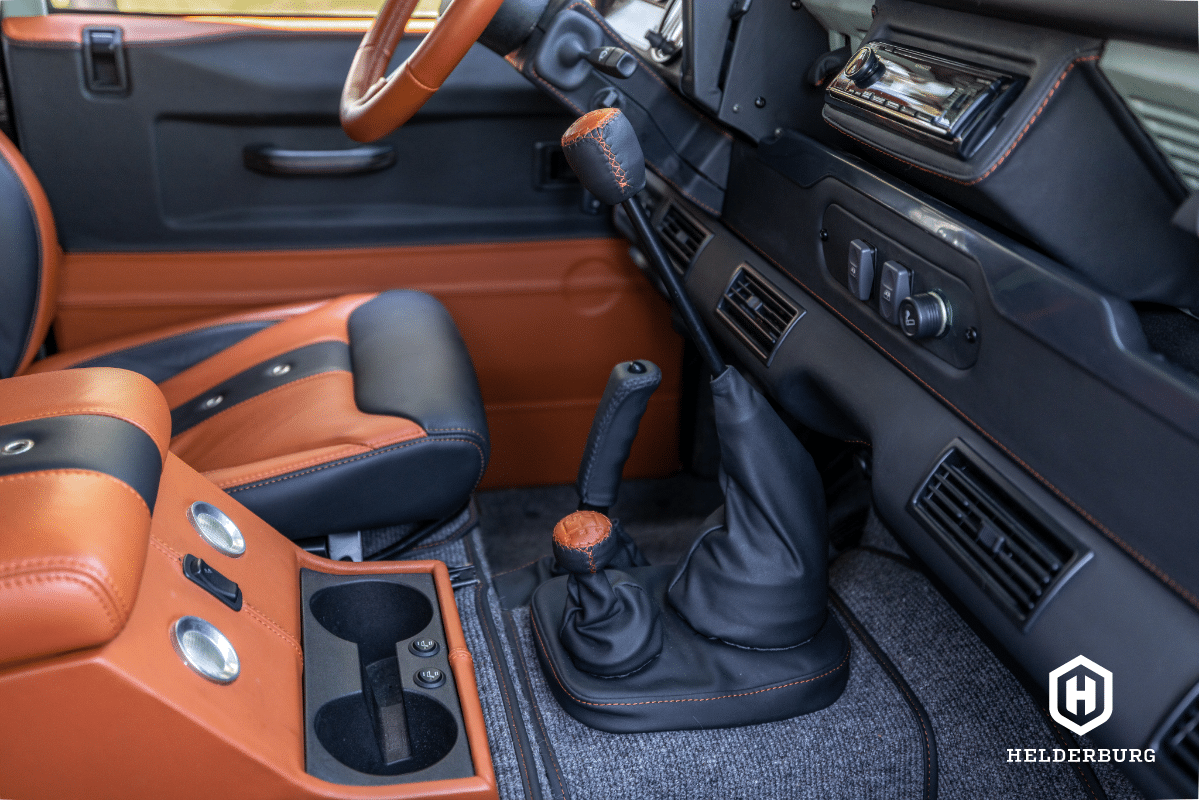
Helderburg driver position — steering wheel, gear shifter, and centre console fitted to the owner

The seat, the wheel, the shifter, built to the hand.

Photographs flatten this. A Helderburg cabin only reveals it when the owner sits down for the first time. The seat is exactly where it should be. The wheel meets the hand at the right angle. The shifter is where the arm naturally falls.

None of it is adjustable in the way a factory cabin is adjustable. It does not need to be. It was built for one person.

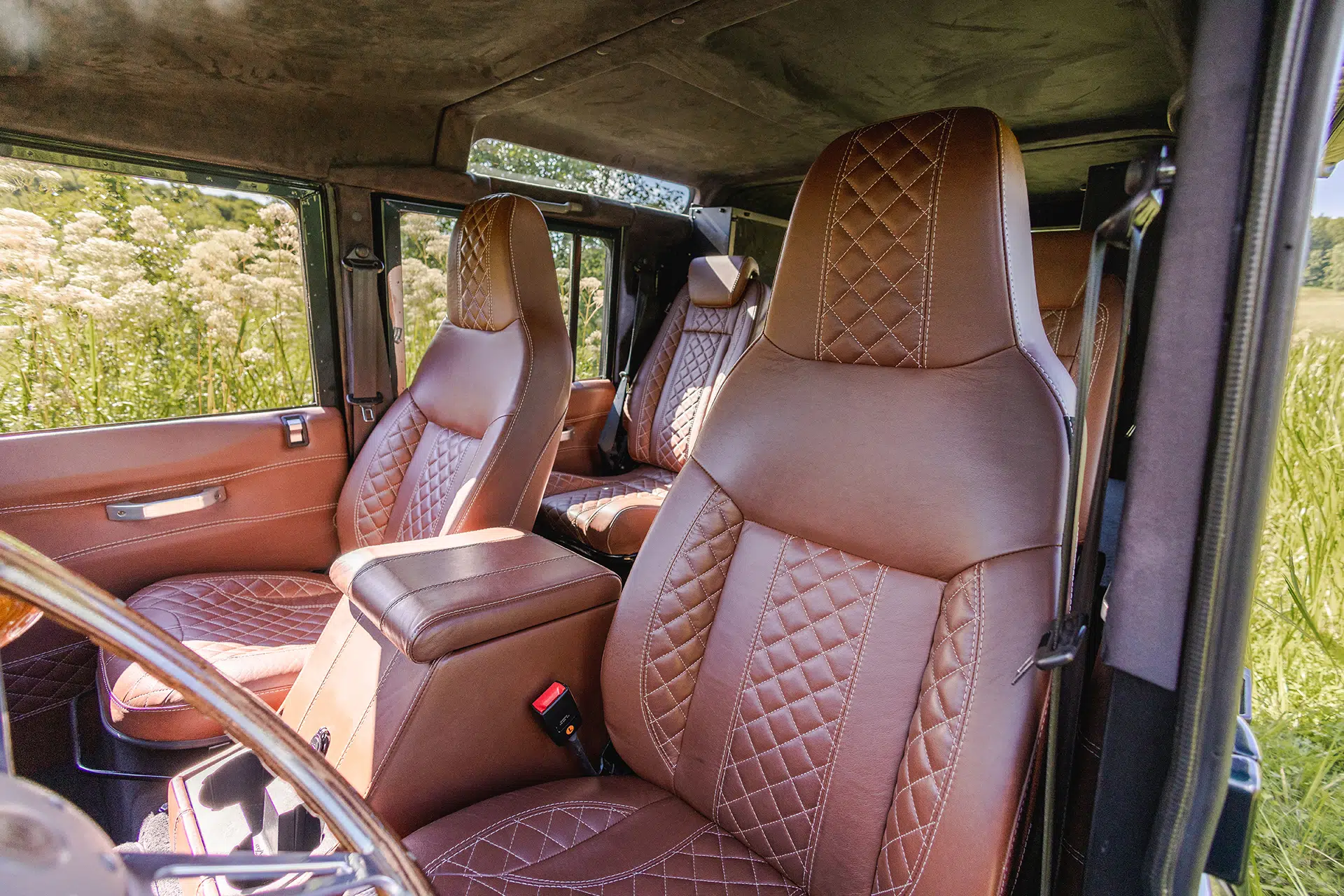
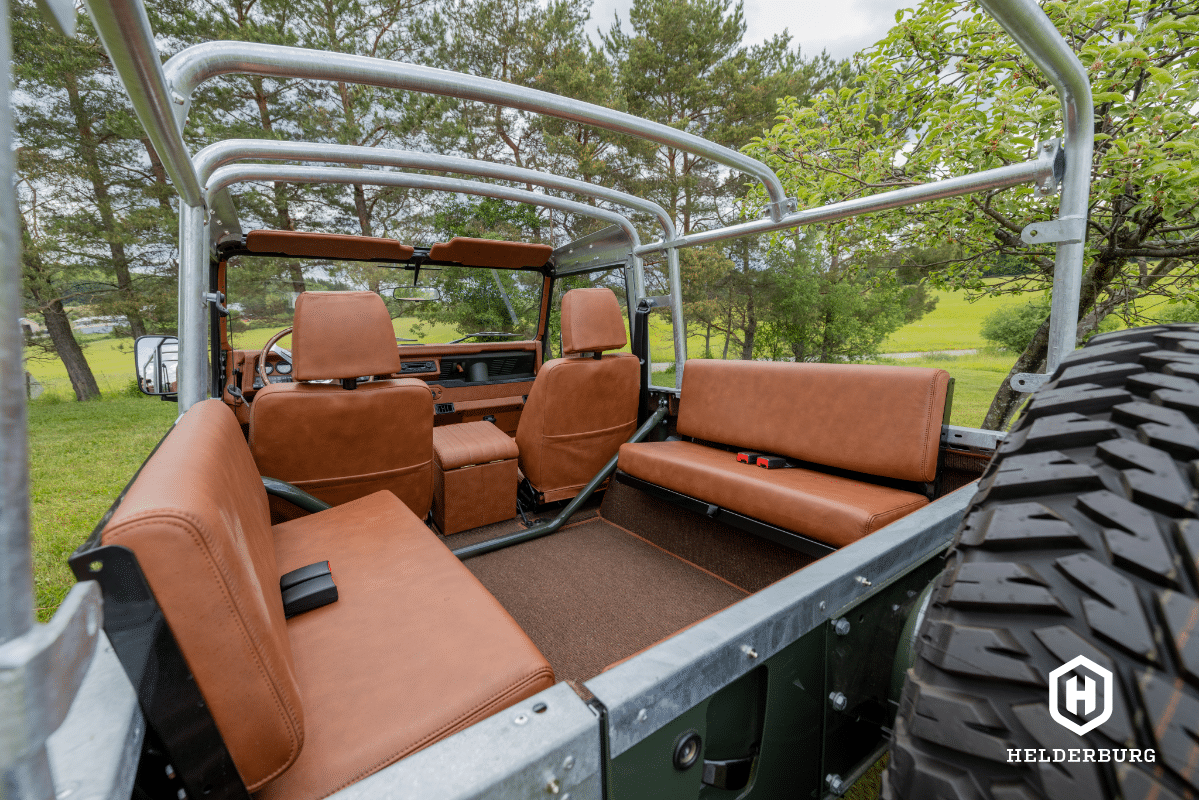
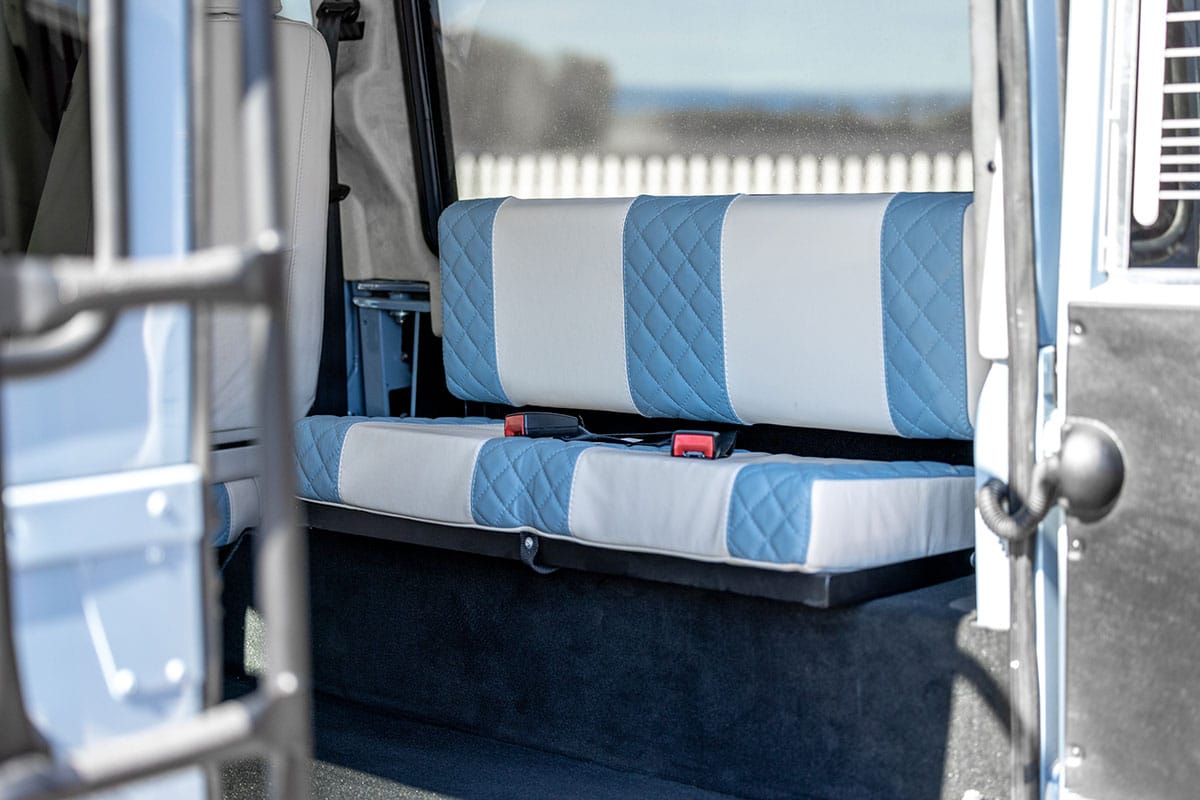
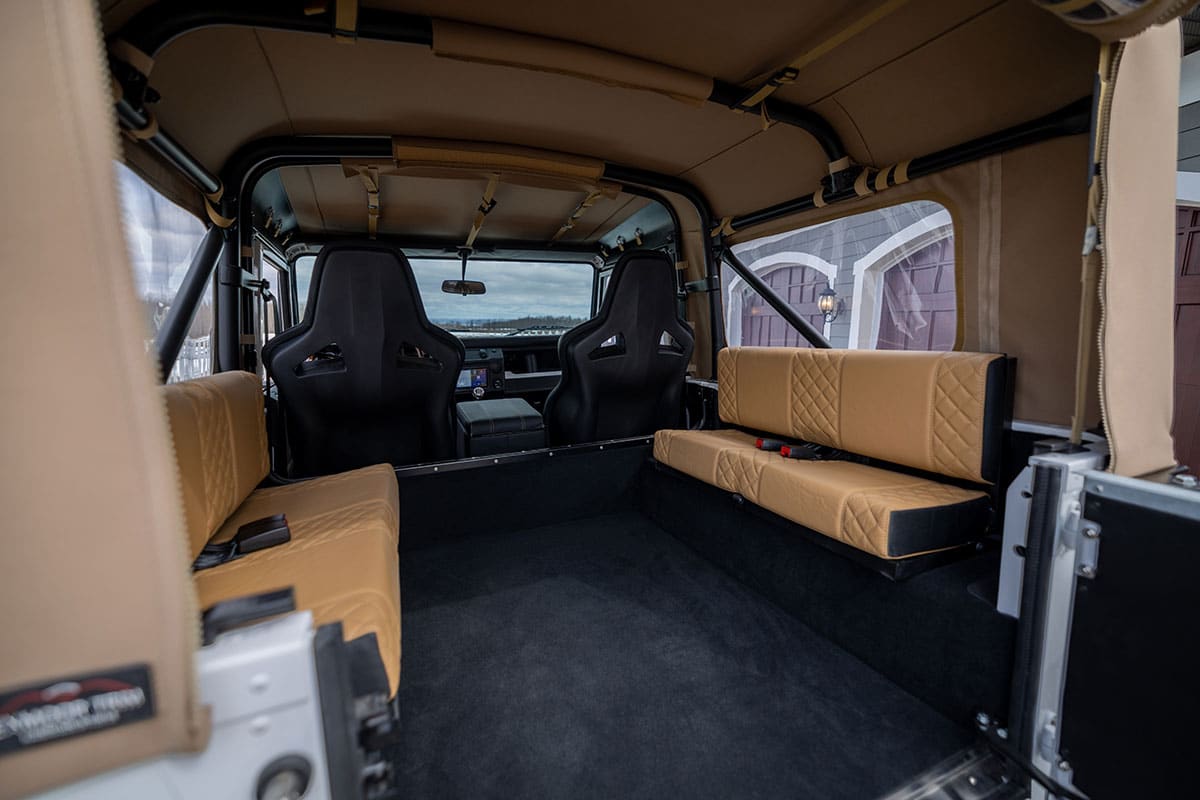
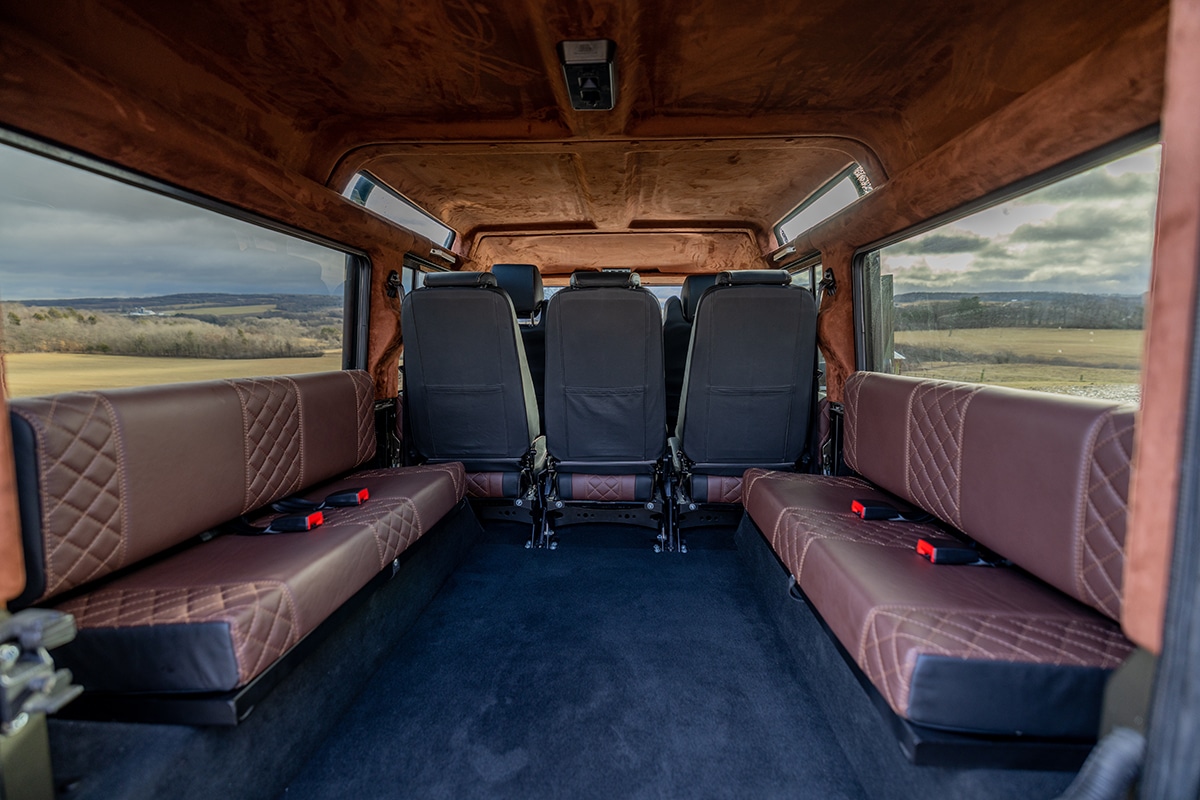
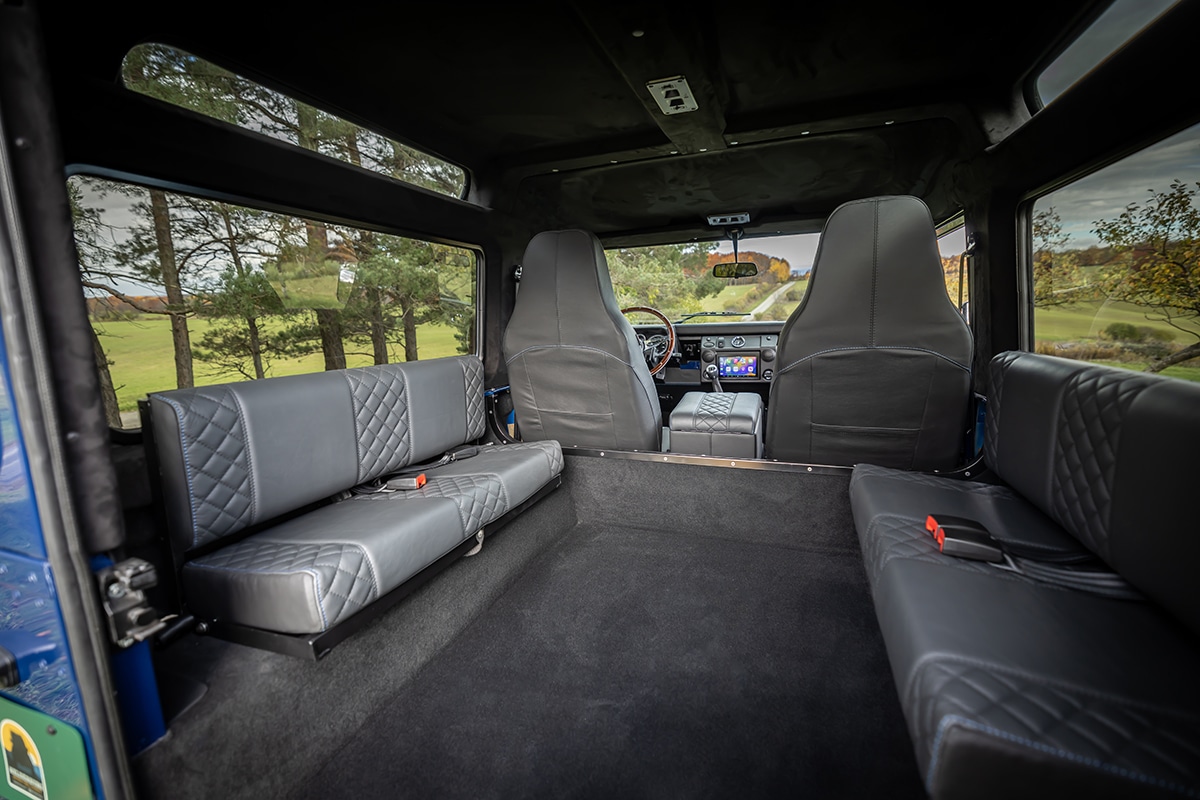
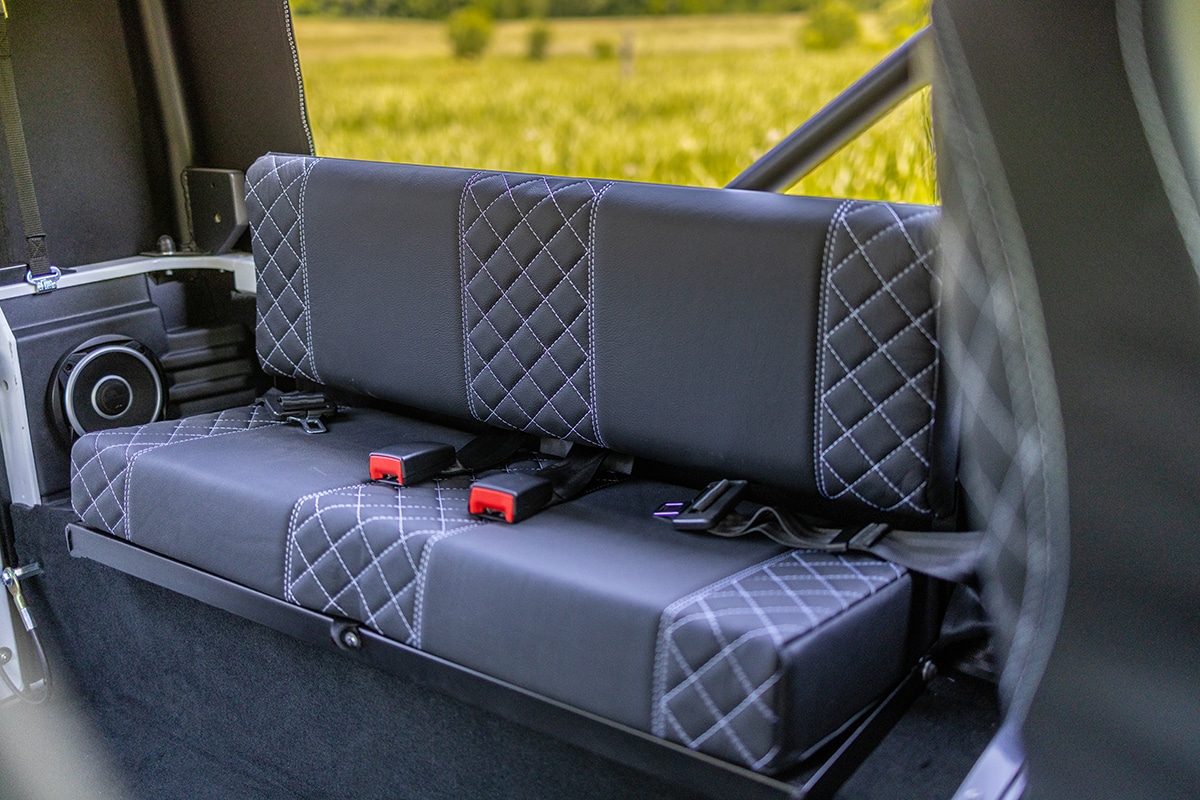
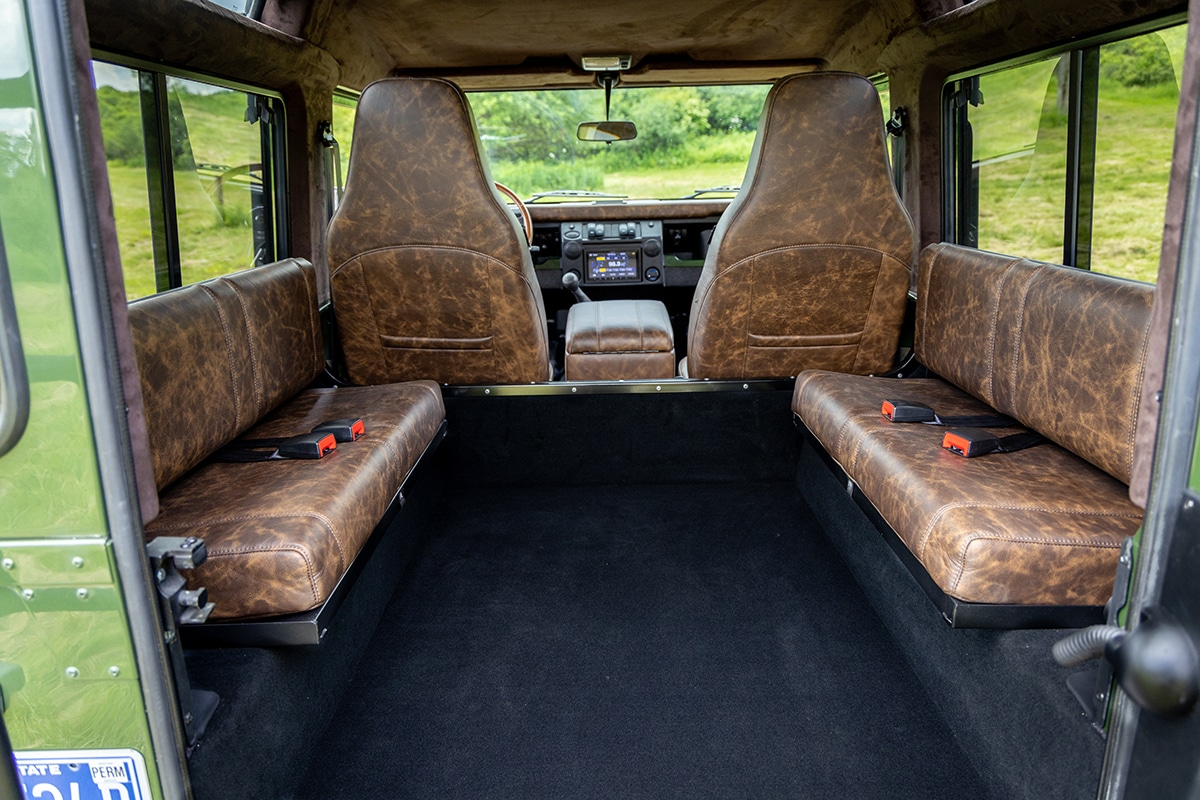
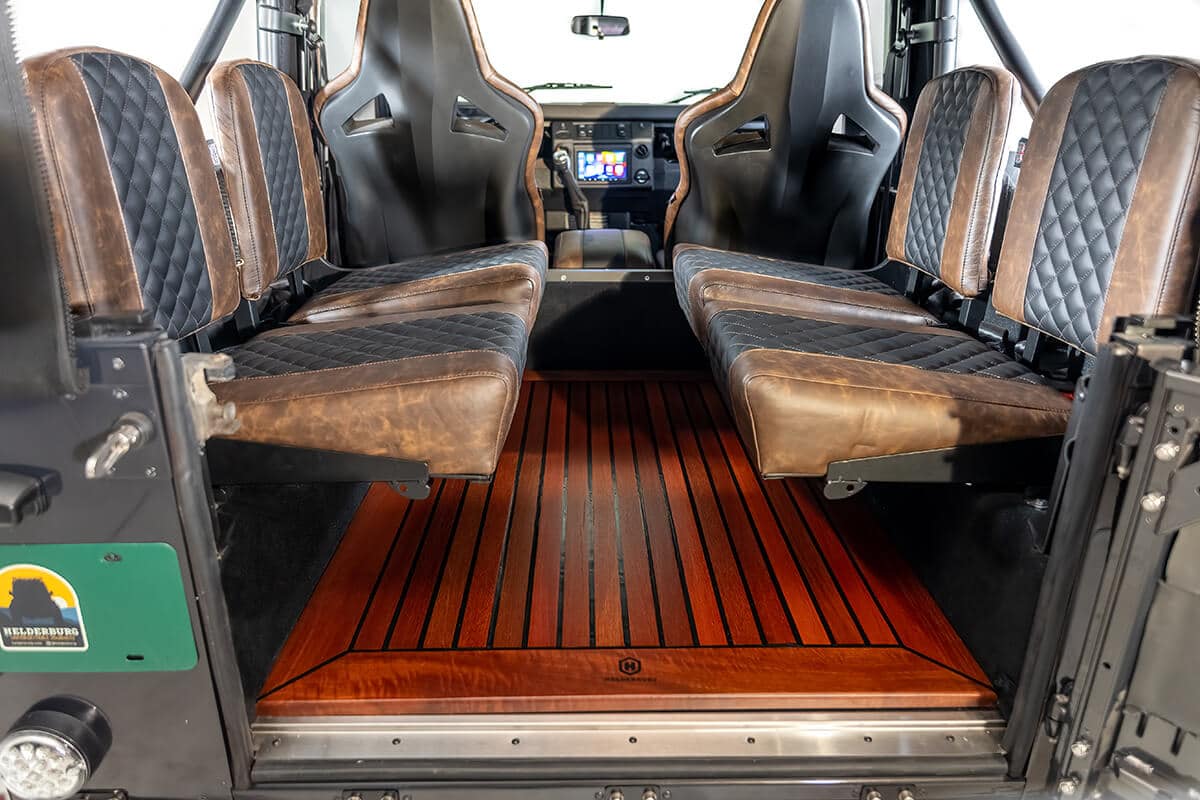
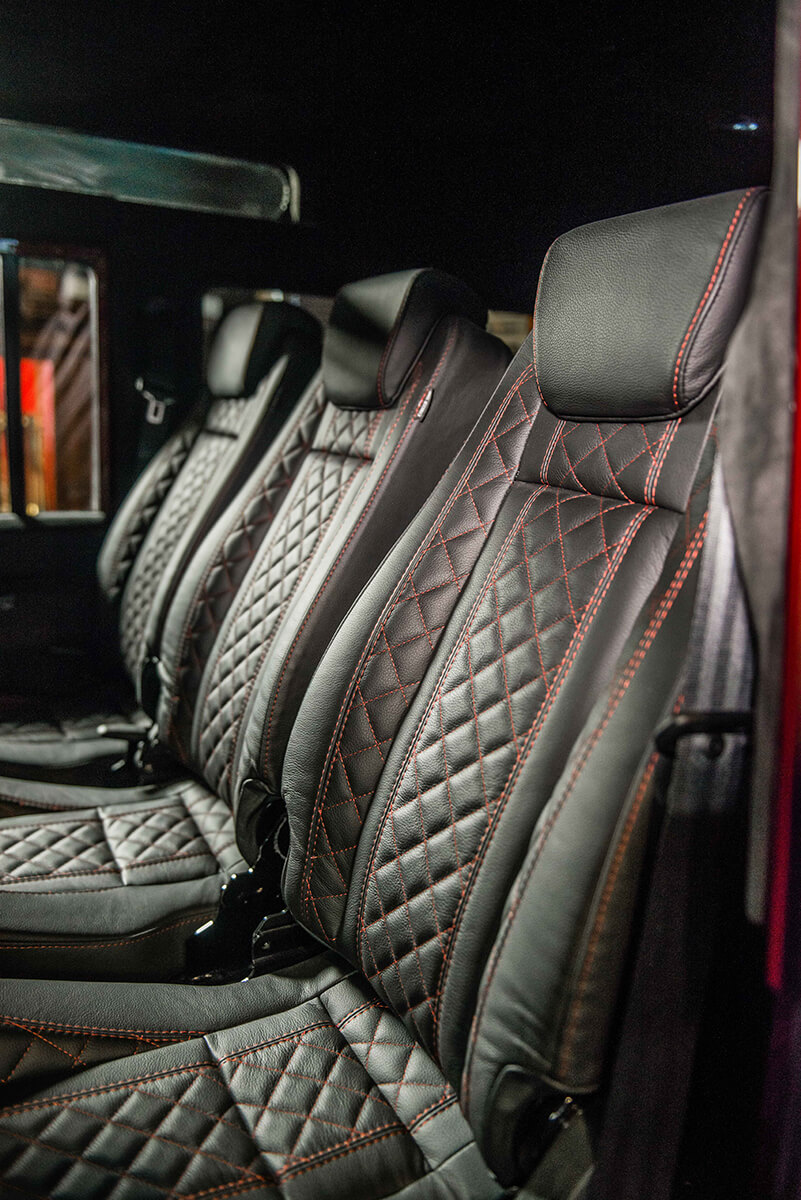
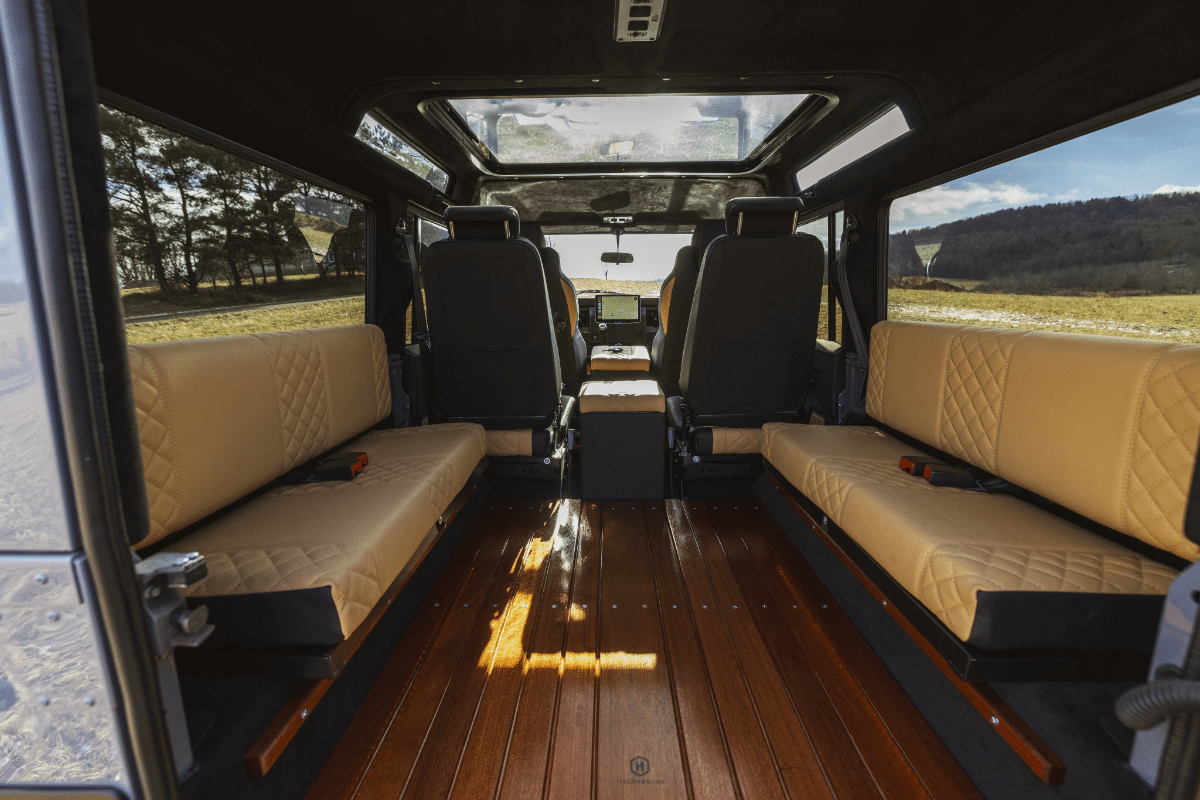
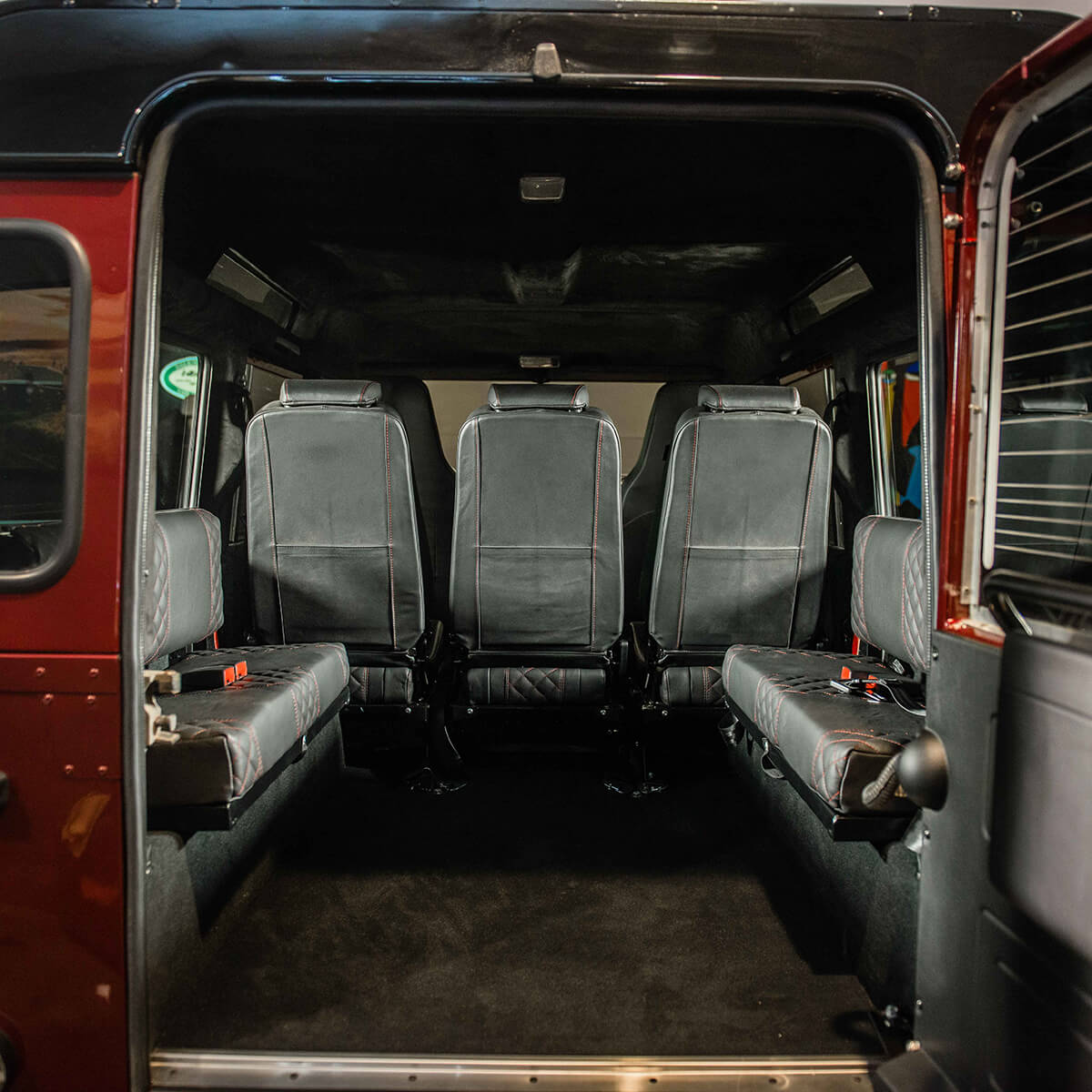
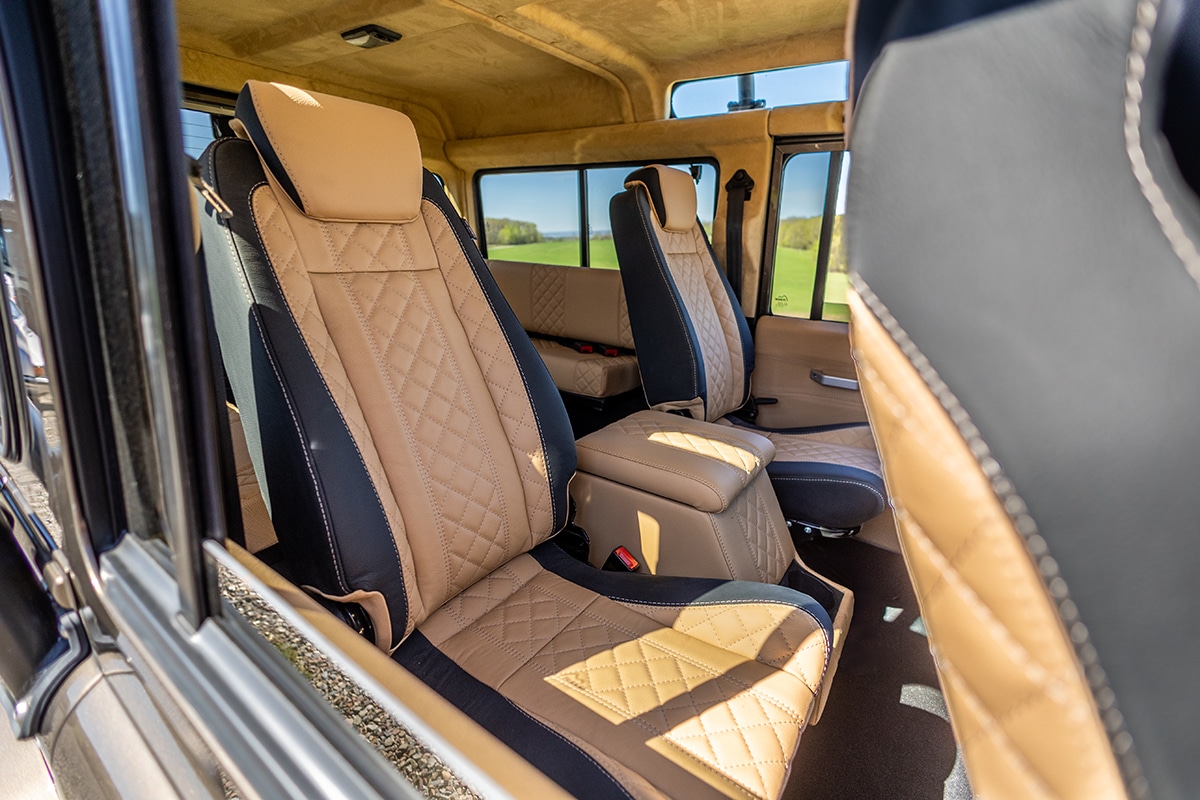
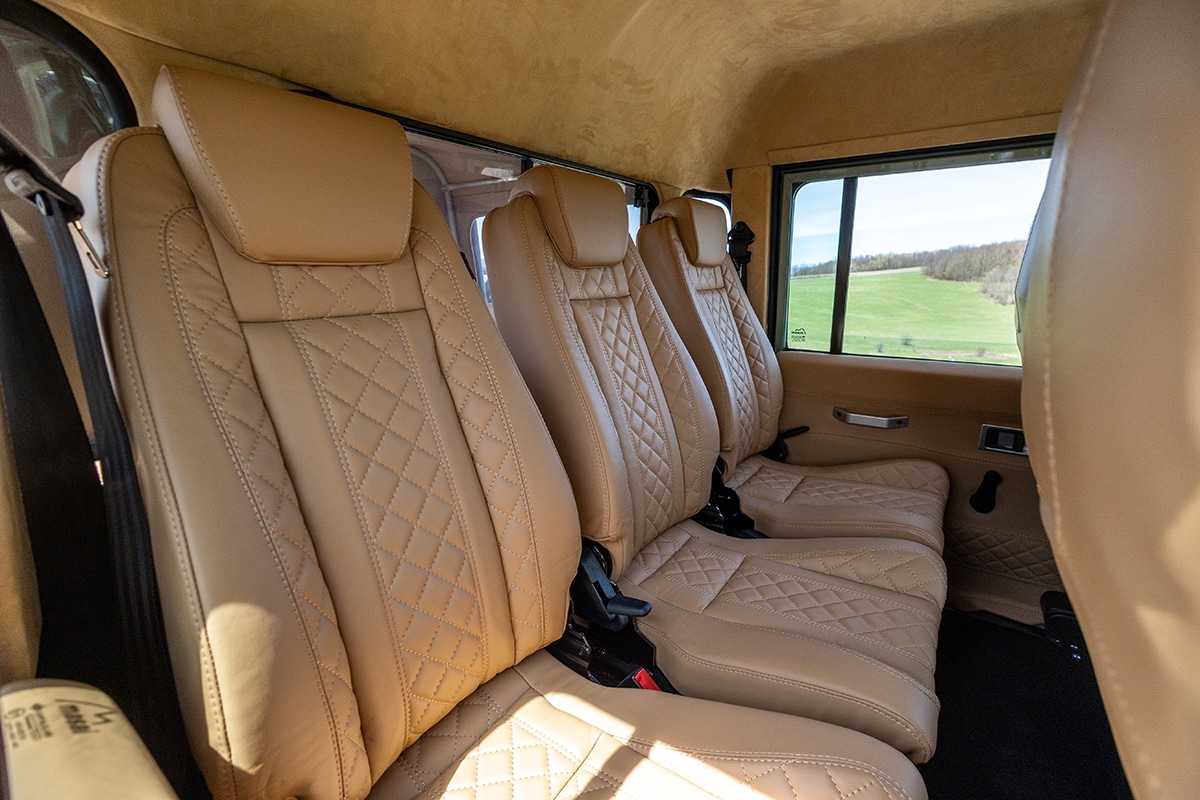
The second row is where most builders stop thinking, and where we start. In a Defender 110, we move the second-row seating rearward to give passengers real room, not the apologetic legroom a stock 110 offers. The second row sits on a Helderburg-custom frame, raised in stadium tier. Passengers see the road, not the headrests of the front seats. Children look out at the country. Adults can read.

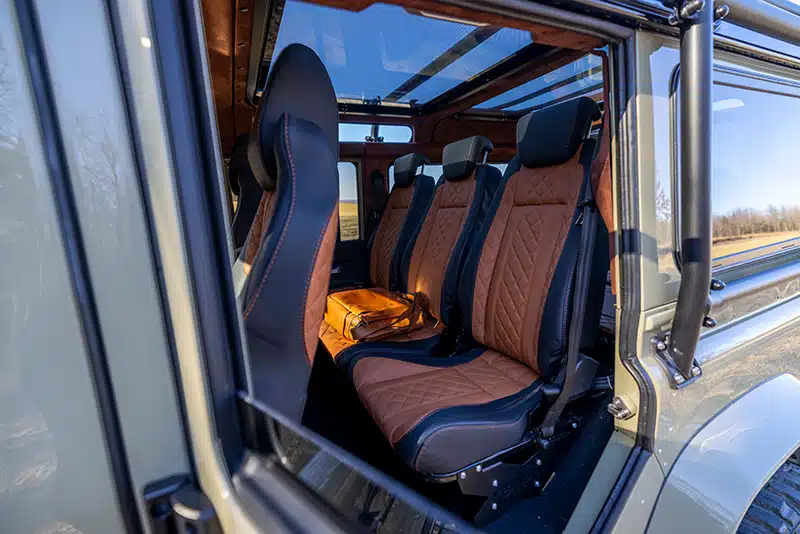
Helderburg stadium-tier second row seating, raised so passengers see the road ahead

Stadium tier, by design.

The factory Defender second row sits low and looks into the backs of the front seats. Our second-row frame raises the seating profile so passengers see what the driver sees. It is the single change rear passengers comment on most often.

Children watch the road. Adults read a book or look out at the country. The cabin becomes shared, not divided.

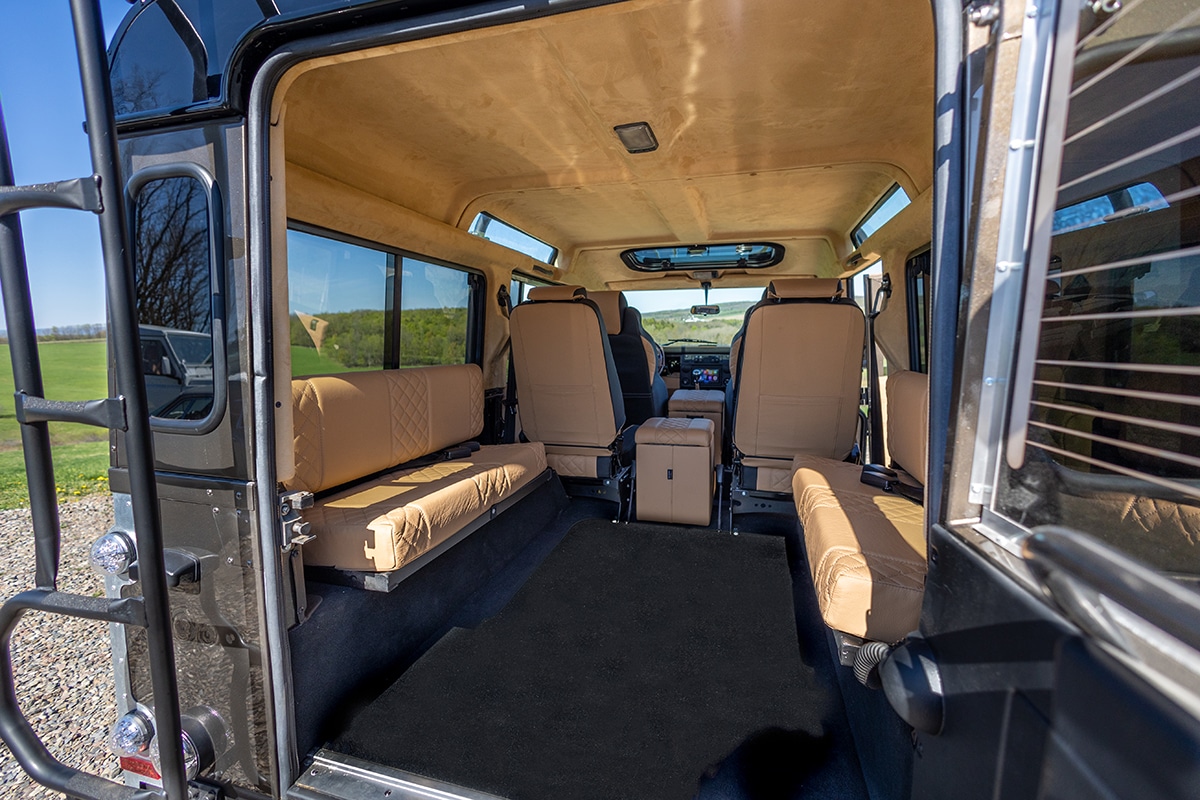
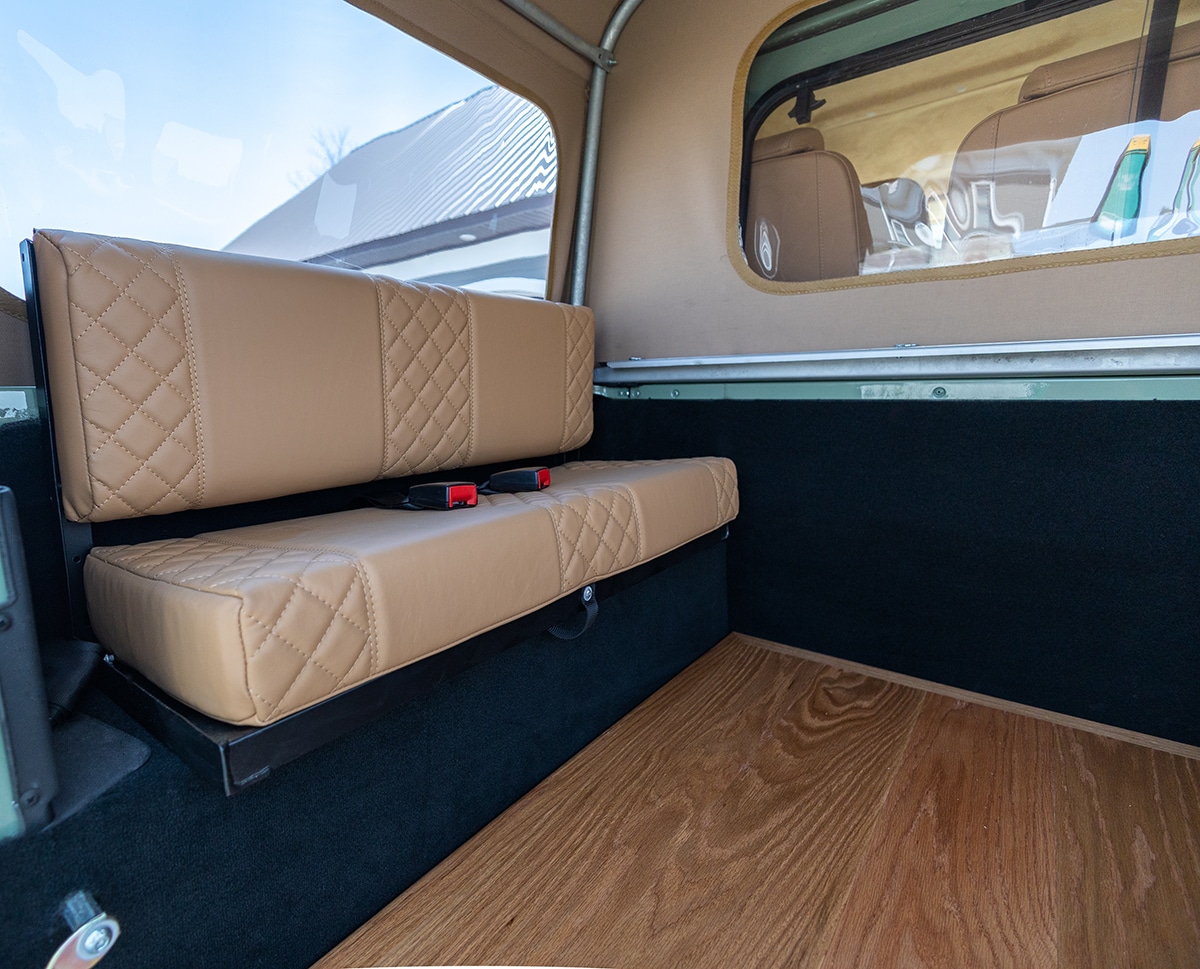
Seating capacity depends on the body style and the configuration the owner chooses. We build to a number of layouts. The most generous arrangements are below.

Defender 110 · Two Door
10
Seats
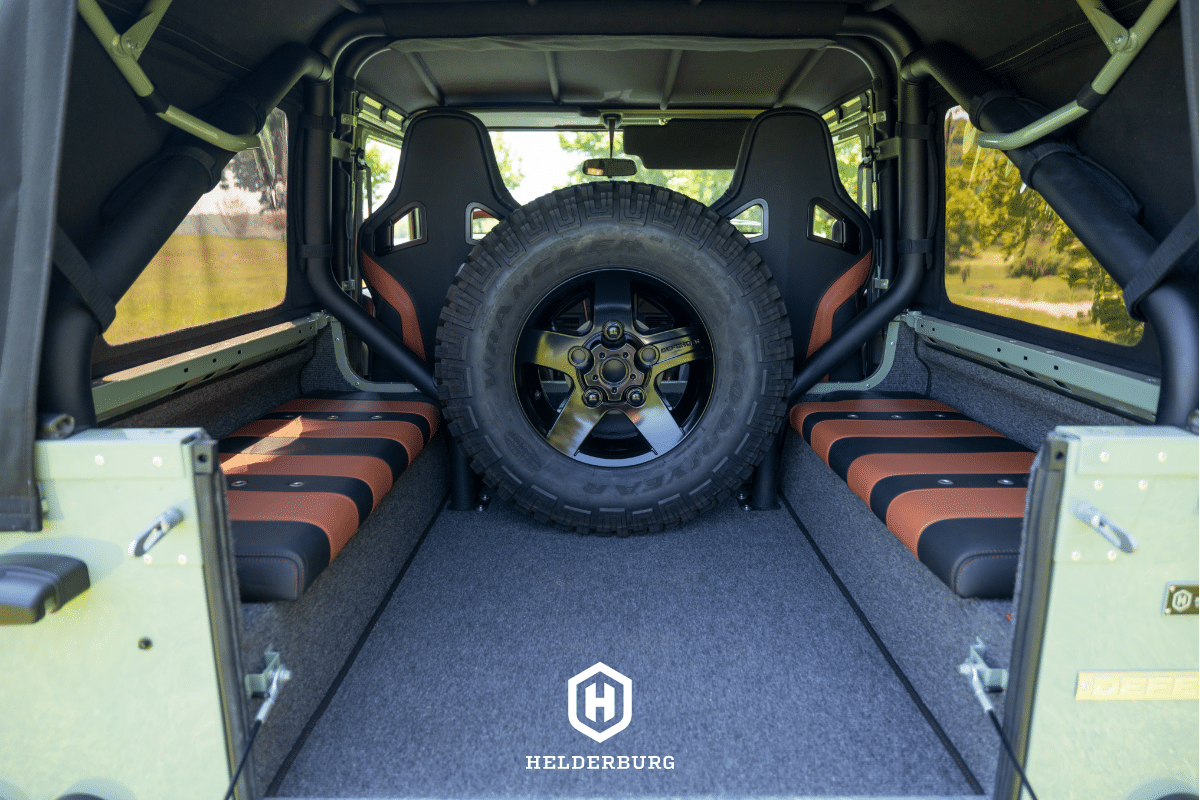
The most accommodating Helderburg. Two front, three in the second row, two inward-facing rows in the rear cargo. Built for large families, hunts, and house guests.
Defender 110 · Five Door
9
Seats
Two front, three across the second row, four in the rear cargo configured to face inward. The day-to-day workhorse of a busy family.
Defender 90
6
Seats
Two front, two in the second row, two inward-facing in the rear. A close, conversational cabin for short distances and the people the owner most wants to be with.
The Glass

Thicker, layered, and quiet. The cabin you can drive in summer.

The original Defender glass is single-pane, untinted, and acoustically transparent. Ours is engineered.

The Helderburg glass system is thicker than the standard automotive specification and laminated to three layers. The outer layer carries the structural strength. The interlayer is acoustically tuned and damps the road and weather noise the original Defender simply transmits. The inner layer carries a UV-rejection film engineered to reduce solar gain in the cabin.

The cabin is cooler and quieter than any other Defender on the road. In direct sun at one hundred degrees, the dash does not bake. The leather does not burn the hand. The air conditioning does not have to fight the windows. The owner drives in real comfort, not in the symbolic comfort of a vehicle that was never asked to handle weather.

A Note from the Owners

This is the system clients in Dallas, Houston, Nashville, and Tampa speak about first. A Helderburg in Texas summer is not a compromise. It is the vehicle they reach for in August, not the one they leave in the garage until October.

The Audio

A bespoke system, tuned to one cabin.

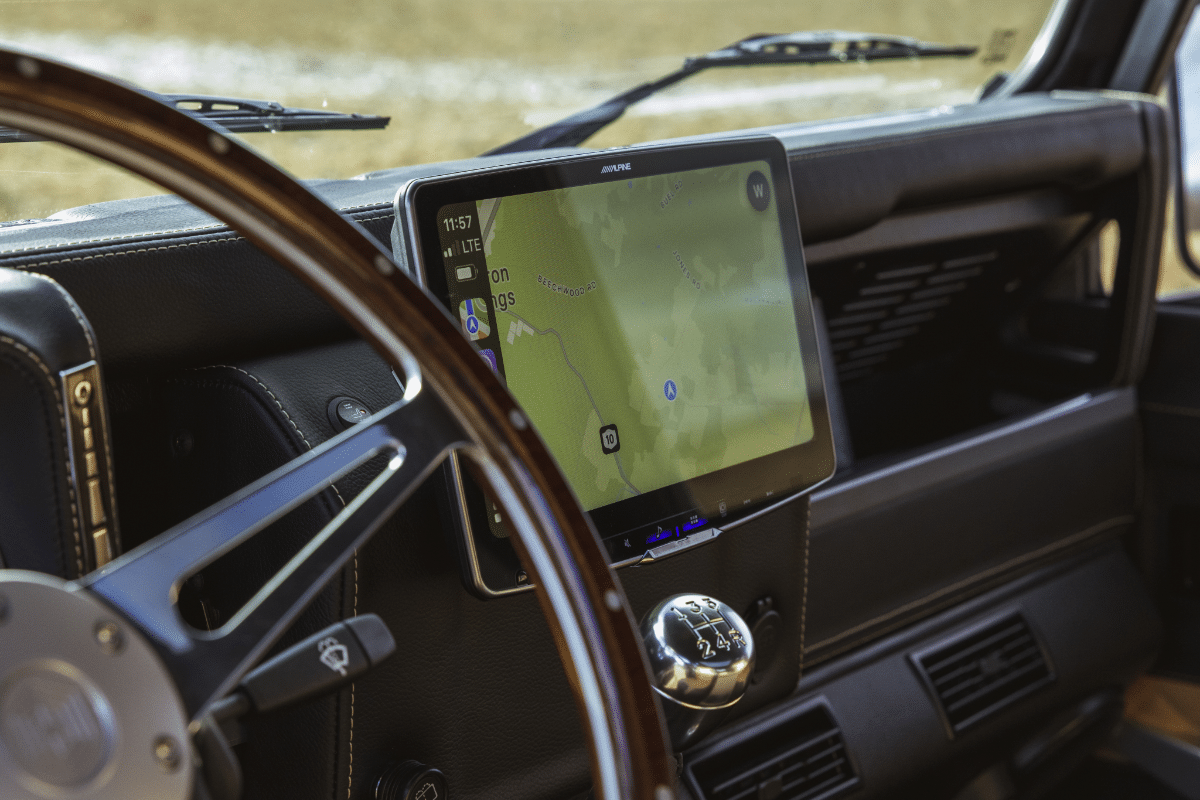
The cabin geometry is fixed. The audio is built around it, not the other way around.

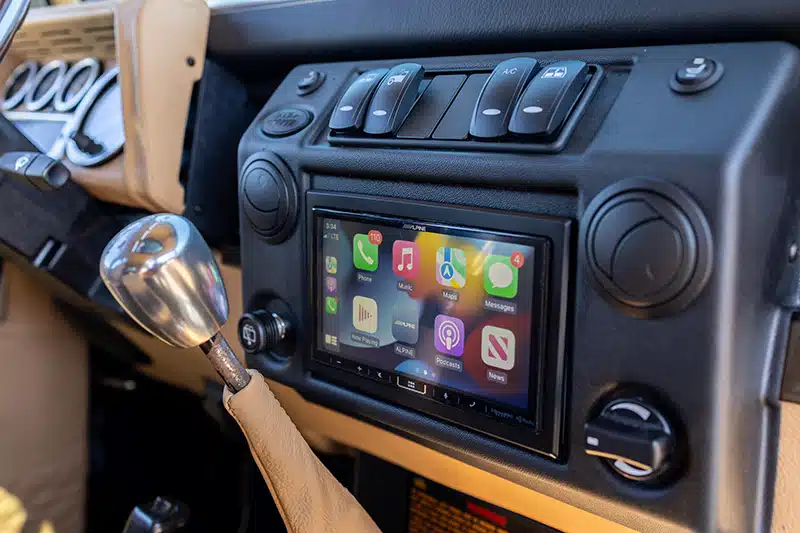
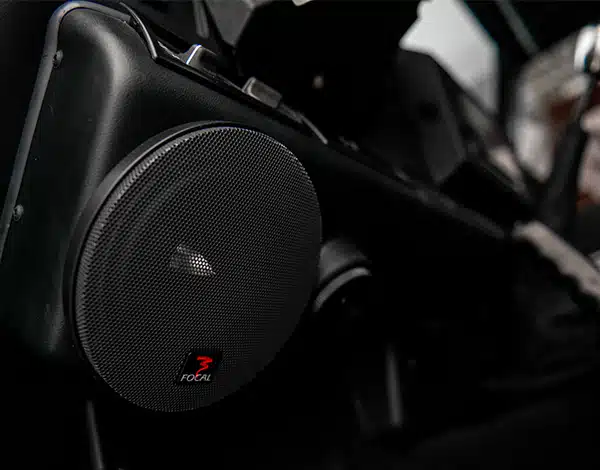
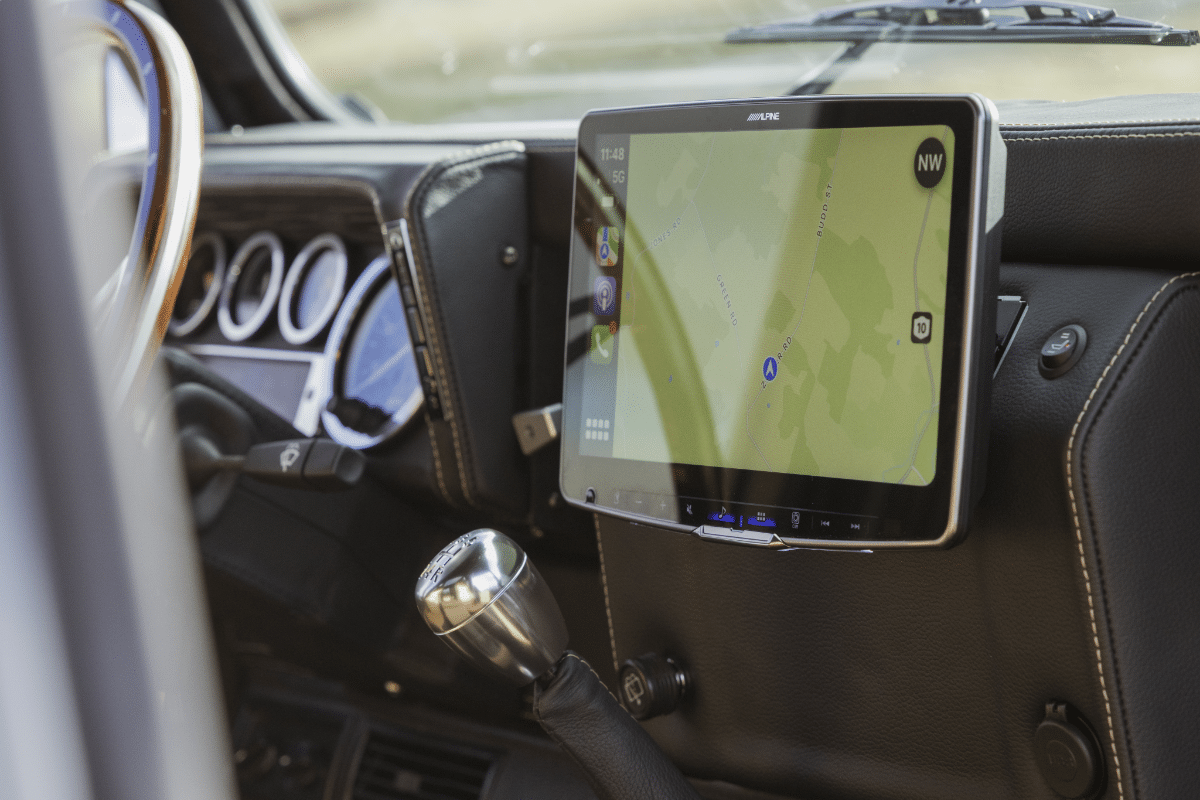
Bespoke audio detail in a Helderburg Aurelian Cabin

Built around the cabin, not the catalogue.

A factory audio system is tuned for the average cabin of the average vehicle. The components are off the shelf. The result is good. It is not built for any particular car.

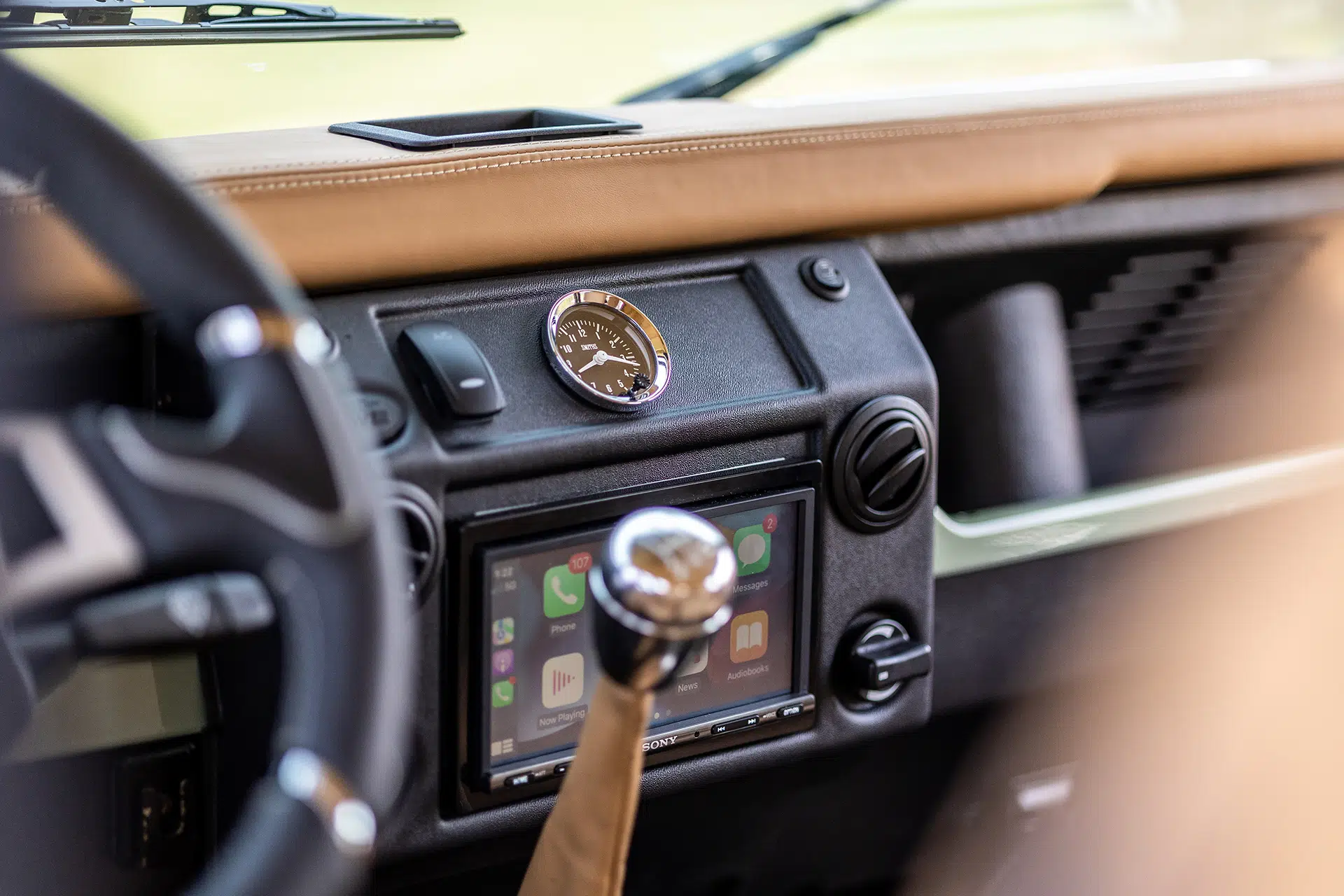
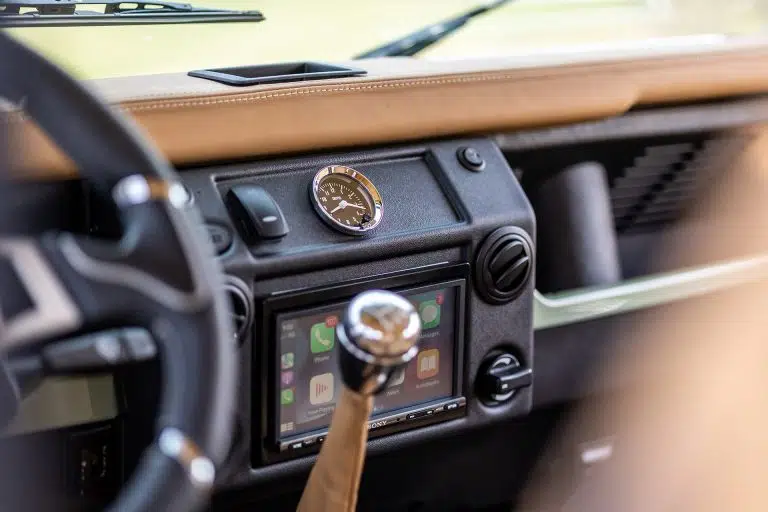
Helderburg audio is specified for the cabin we are building. Hand-built speakers from France, amplifiers from Italy. Driver positions and crossover frequencies are tuned to the geometry of this cabin, this leather, this Alcantara headliner, this passenger arrangement. The system is right because it was built for the room it lives in.

You hear what the engineer heard. The cabin behaves as a listening room, not as a vehicle that happens to have speakers in it.

The Panoramic Roof

A sky in the cabin, on request.

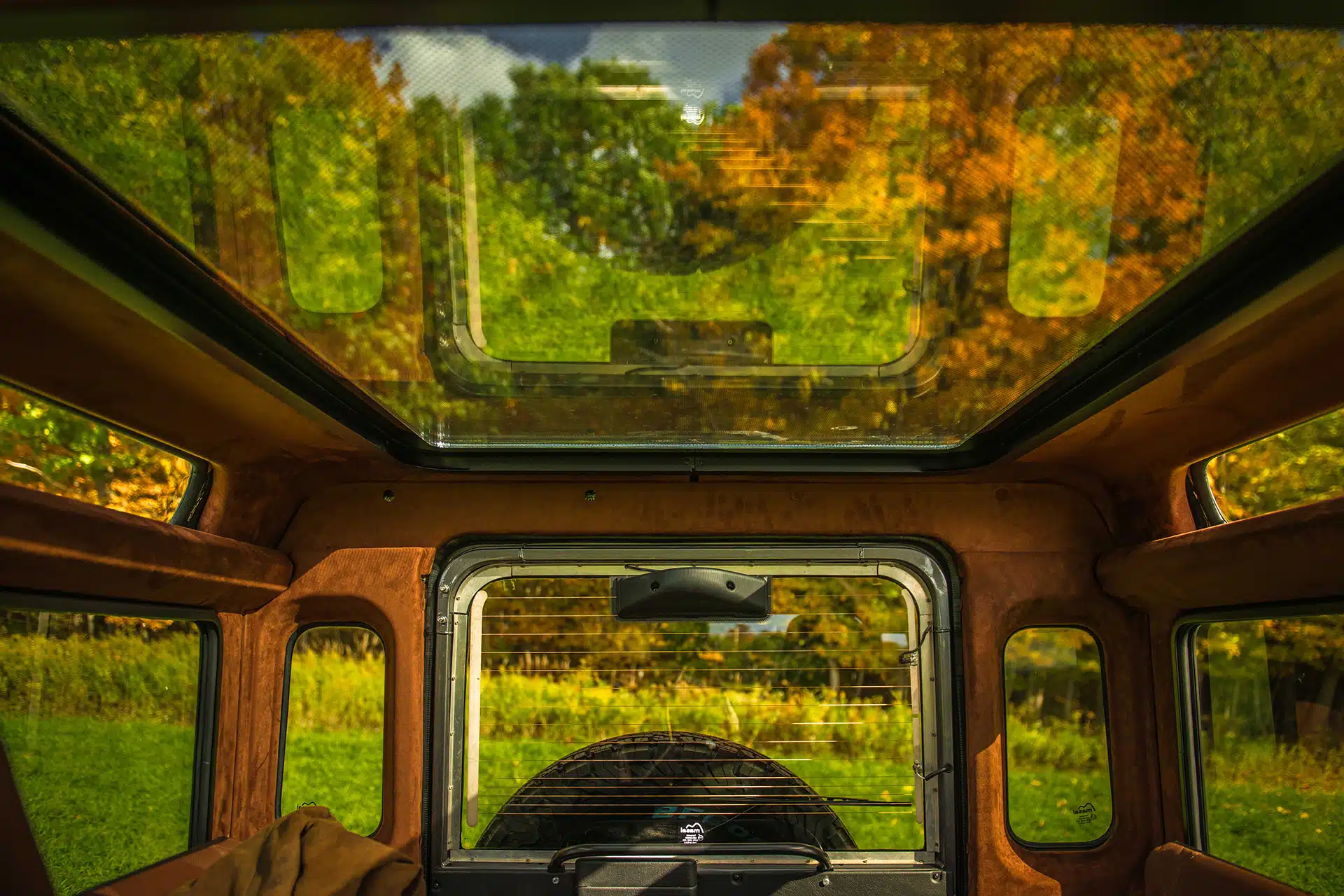
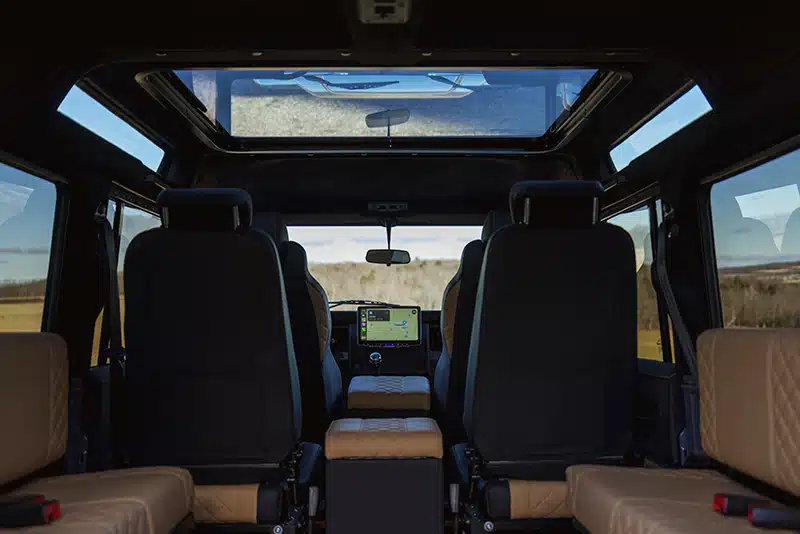
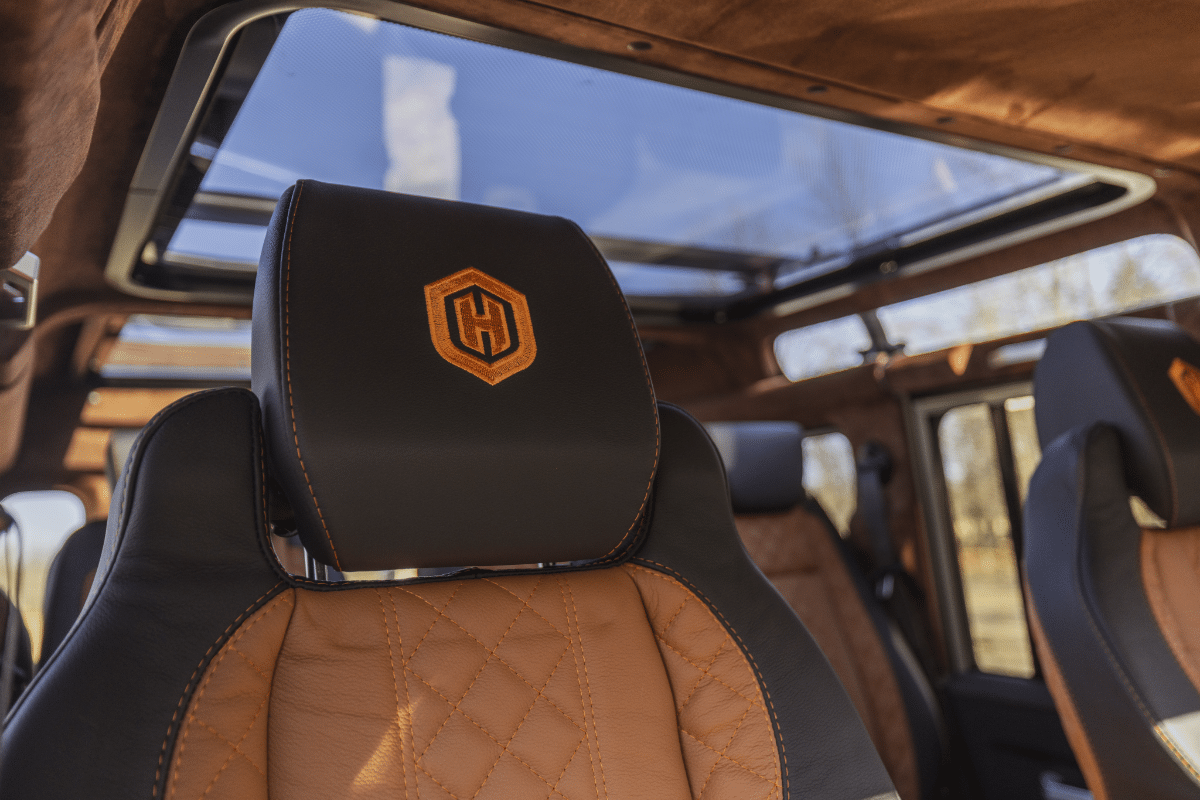
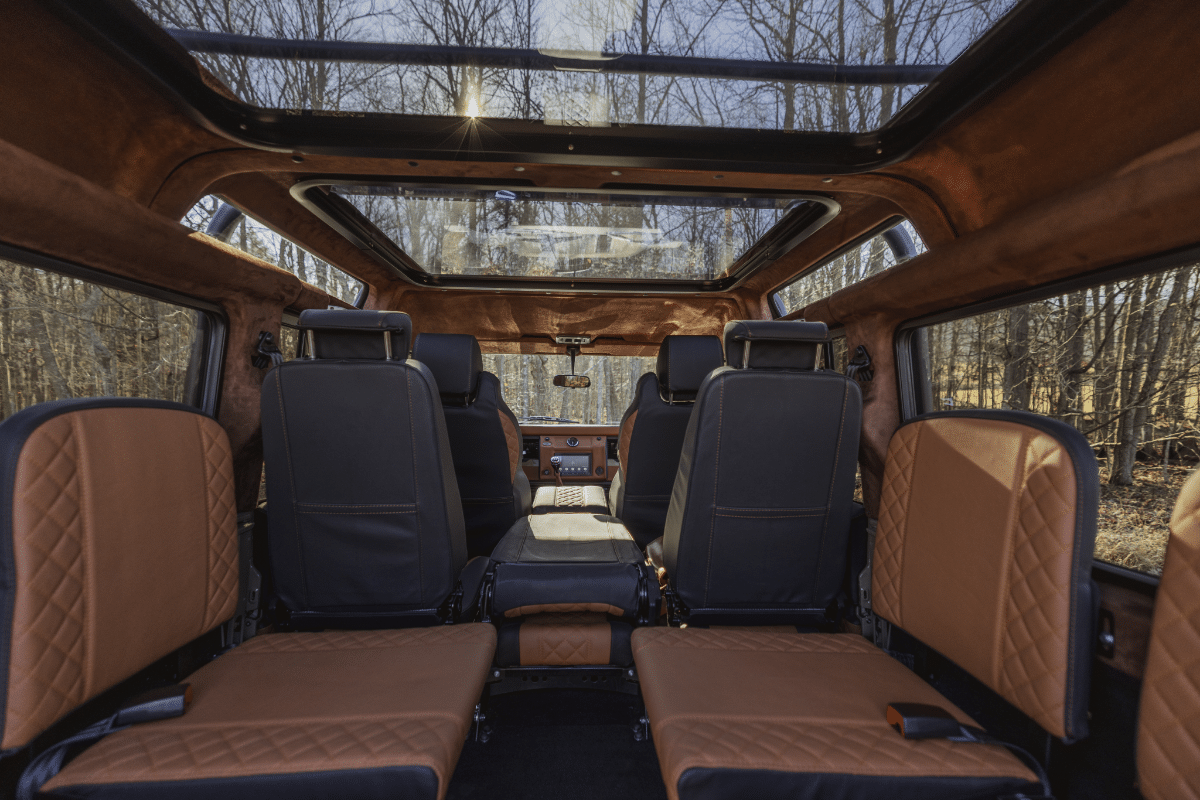
Specified at the time of commission. The Helderburg panoramic glass roof opens the cabin to light without opening it to noise or heat.

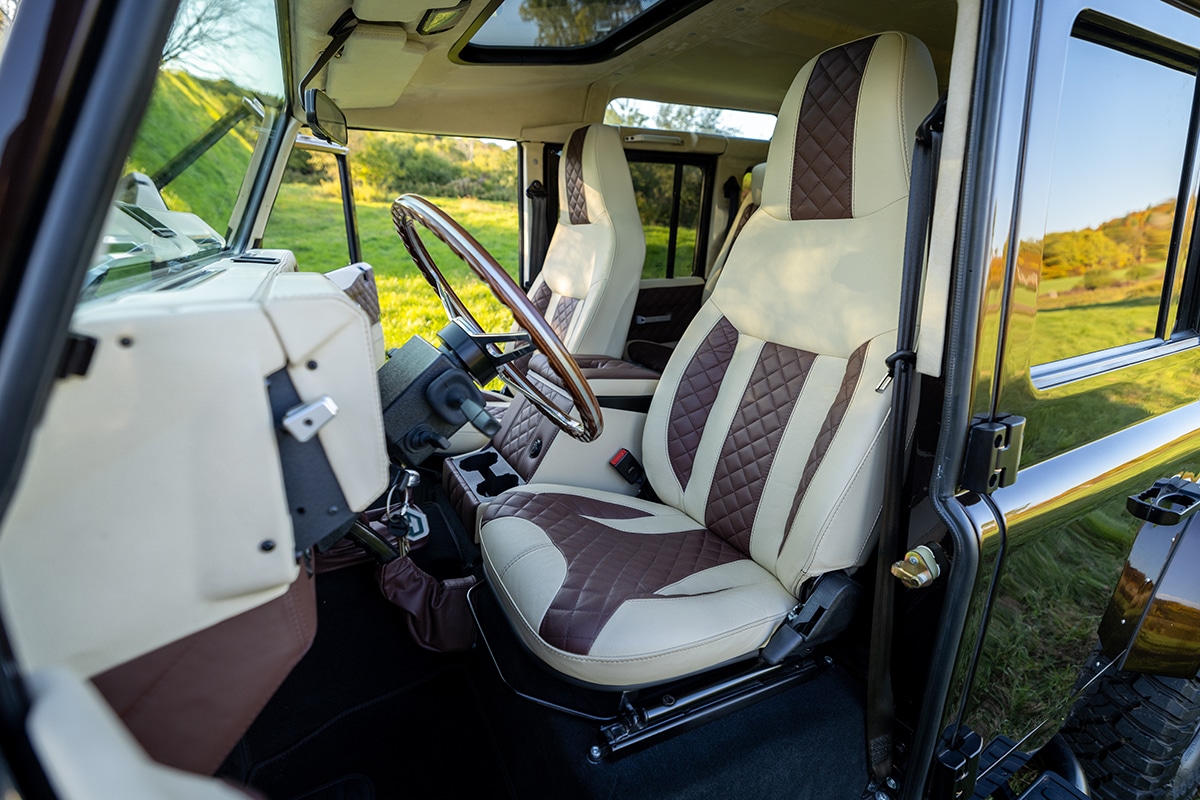
The Helderburg panoramic glass roof, photographed from inside the Aurelian Cabin, showing the full sky and the hand-coloured leather seats below
Plate 02  ·  The panoramic roof, specified for owners who want the cabin to feel open without the compromise an open vehicle brings. The same UV-rejection and acoustic interlayer used in the side glass continues here.
The Four Paths

The cabin is built around four decisions.

Every Helderburg interior is the sum of four choices, each addressed in its own study. The leather is the first and largest decision. Begin there.

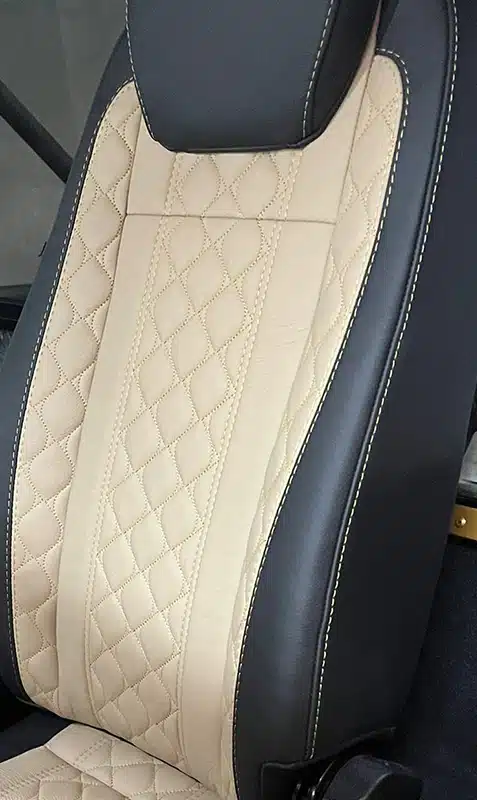
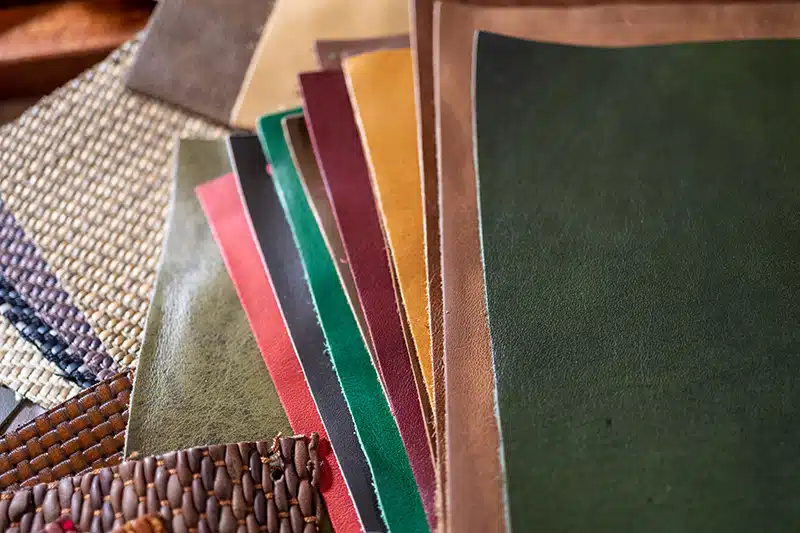
The two leathers can also be specified together. In our view, the mix is the most beautiful cabin we build.
The Aurelian Principles

Four ideas, applied to every cabin.

i.

Quiet

Proprietary soundproof and UV-protected glass. Multi-stage acoustic and thermal isolation behind every panel. You can hold a conversation at highway speed.

ii.

Comfort

Built to the owner. Seat dimensions, wheel thickness, and pedal feel specified for the driver. The cabin is fitted to a person, not a buyer pool.

iii.

Light

Warm ambient LEDs at the sills, under the dash, in the foot wells, along the headliner, behind the copper plate. A cabin you want to find at the end of a long day.

iv.

Material

Heavier leather than the automotive industry standard, hand worked in Scotland or Scandinavia. Mahogany, black walnut, or spalted maple on the steering wheel and the cargo floor. Italian Alcantara on the headliner and pillars. Hand-engraved copper at the centre of the dash. Every surface chosen for the way it ages over thirty years, not for the way it looks on the day the vehicle is delivered. That is the difference between a finish and a patina, and it is the whole point.

The Four Styles

Four Defender Styles. Choose one, or a blend.

From quiet and road bred to fully expedition. Most commissions borrow across them. You are not picking from a menu. You are choosing where to start.
i.

Heritage

Original character, modern underneath.

ii.

Coastal

Light and open, soft top optional.

iii.

Metropolitan

Lowered, plush, refined.

iv.

Expedition

The most rugged of the four.

For Clarity

A few things worth making clear.

What makes a custom Defender interior different from a stock Defender or a factory Land Rover interior?

A stock classic Defender cabin was built to a workhorse standard. A factory new Defender is built to a modern premium standard, but to a single specification fitted to thousands of vehicles. A Helderburg interior is built to one specification, fitted to one owner. The cabin is named the Aurelian Cabin, with proprietary soundproof and UV-protected glass, multi-stage isolation, ambient lighting, audio tuned to the geometry, and a choice of two leather paths. Built for the way the cabin will be used across decades, not for how it looks in a showroom.
What is the Aurelian Cabin?

The name we give to the Helderburg interior. It is built around four ideas, in this order. Quiet first. Then comfort, light, and material. Proprietary laminated glass cuts road and weather noise to a level not possible in the original Defender. Multi-stage acoustic and thermal isolation lines the floor, doors, headliner, and bulkhead. Ambient LED lighting is set to warm tones for evening drives. Bespoke audio components are tuned to the cabin geometry. The materials, leather above all, are selected for daily use over generations.
What leather is used in a Helderburg custom Defender?

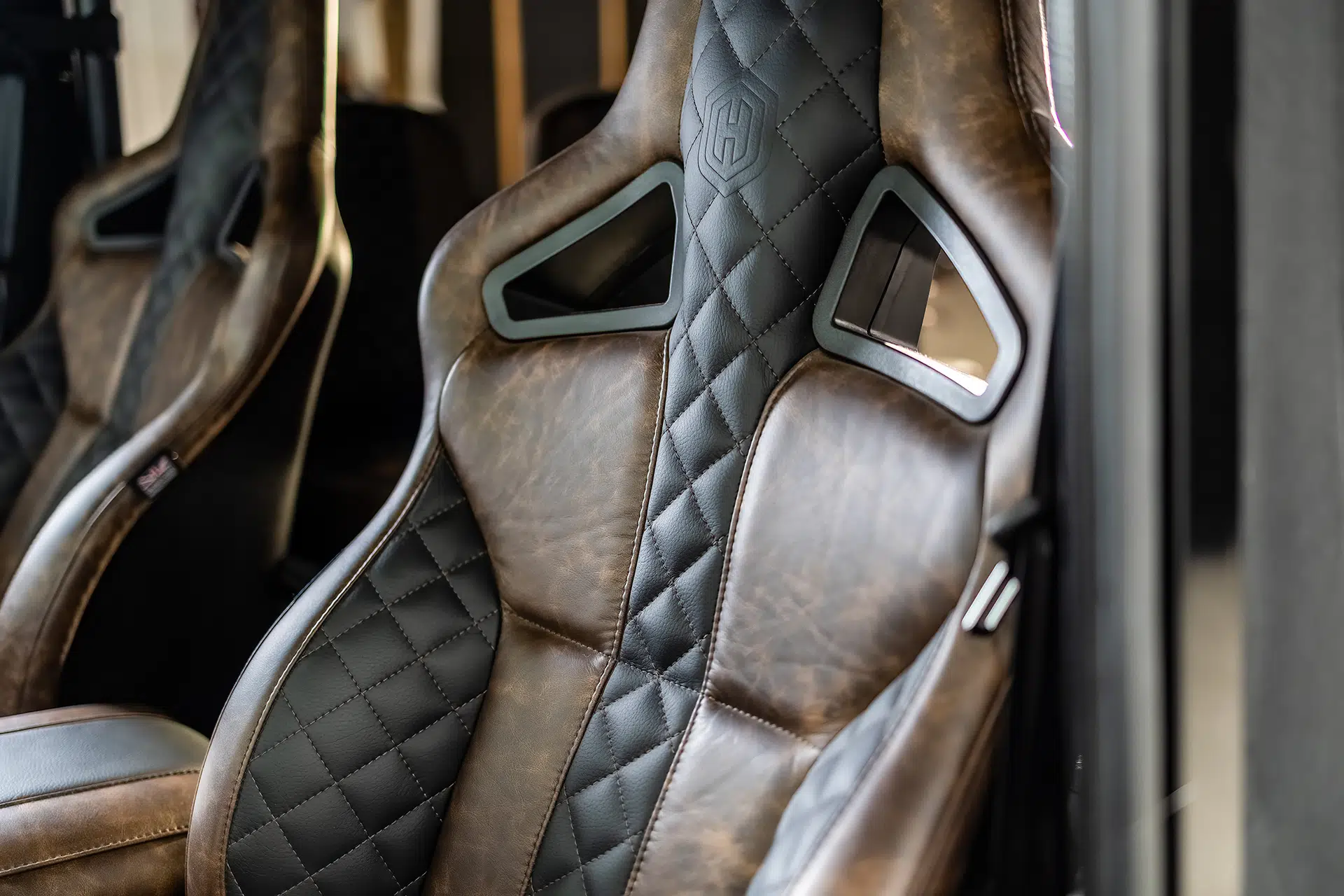
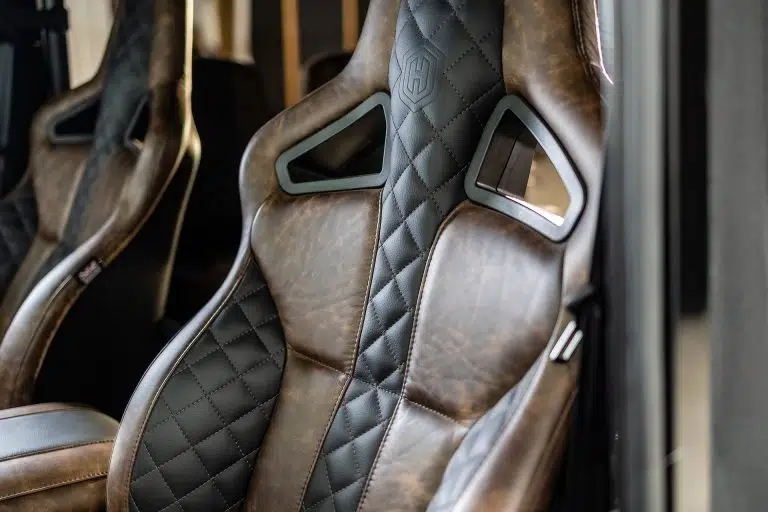
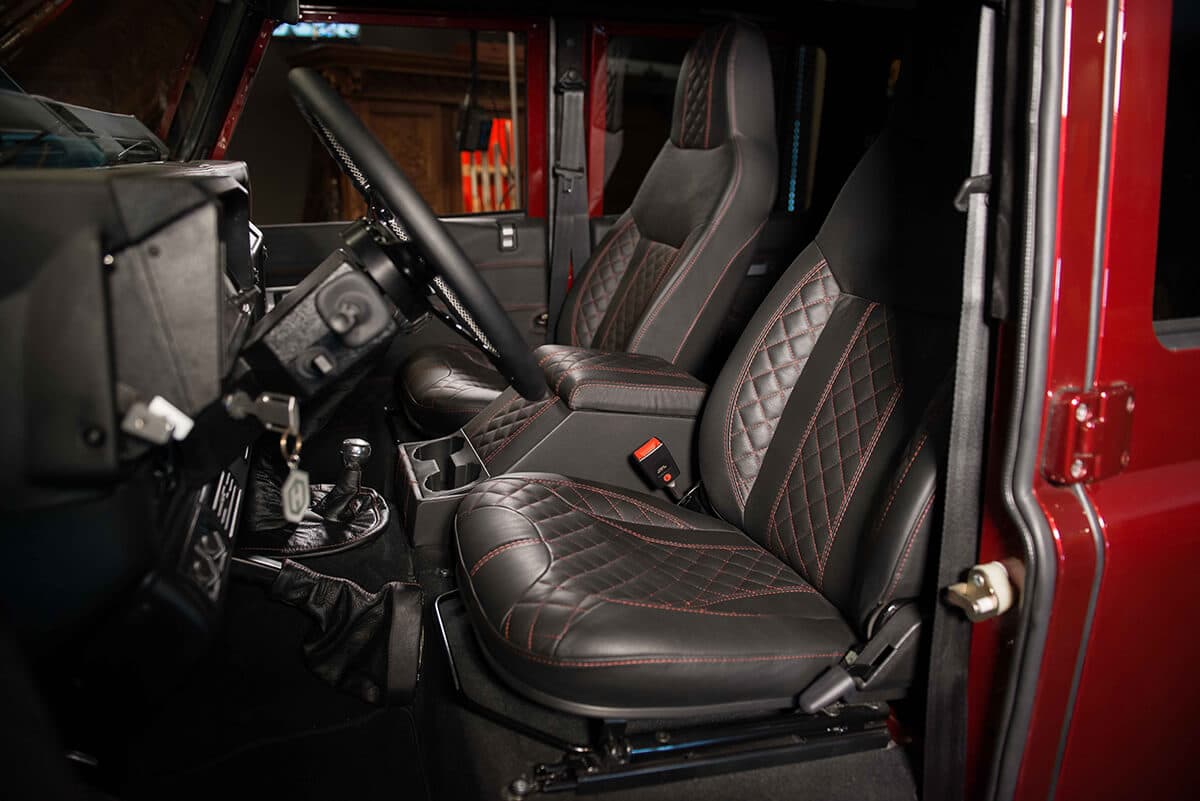
We offer two. Scottish hide, hand tanned, is our standard. Scandinavian hide, hand coloured across a minimum of six passes, is our premium. The two can also be specified together. The mix is, in our view, the most beautiful cabin we build. Both leathers are full-grain, heavier than the leather used in standard automotive interiors, and used on every surface of the cabin including the ones you will never see.

How is the cabin made quieter than a classic Defender?

Three systems. Proprietary laminated glass replaces the original single-pane. Multi-stage acoustic and thermal isolation is fitted to every panel between cabin and outside, including the floor, the doors, the headliner, the bulkhead, and the wheel wells. The cabin geometry itself is tuned, with leather and Alcantara surfaces dampening reflective hard surfaces. The cumulative effect is a cabin that holds a conversation at highway speed.

How does a Helderburg interior compare to a modern luxury SUV interior?

A modern luxury SUV cabin is built to a single specification, produced in volume, fitted to many thousands of vehicles. A Helderburg cabin is built to one specification, fitted to one owner. The leather is heavier. The colour is mixed by hand. The glass is laminated. The audio is tuned to the geometry. The cabin gets better with use. The materials are chosen for patina, not for the showroom floor.

Can the cabin be personalised for a specific owner?

Yes. Every cabin is built to the owner. The leather is chosen, the colour is mixed for the commission, the stitching pattern is agreed, the headliner and pillar treatment is specified. Personal elements such as the hand-engraved copper plate at the centre of the dash carry the owner's name, the vehicle's name, and the Helderburg house mark. Bespoke engraving on the gauges, threshold plates, and gear selector is available by commission.

How does the Helderburg glass system handle hot climates?

The Helderburg glass is thicker than the standard automotive specification and laminated to three layers. The interlayer is acoustically tuned to damp road and weather noise. The inner layer carries a UV-rejection film that reduces solar gain in the cabin. The result is a cabin that stays cool in direct sun, where the dash does not bake and the leather does not burn the hand. This is the system clients in Dallas, Houston, Nashville, and Tampa speak about first. A Helderburg in Texas summer is the vehicle the owner reaches for in August, not the one parked until October.

How many people can a Helderburg seat?

It depends on the body style and the configuration. A Defender 110 two-door seats up to ten, with two front, three in the second row, and two inward-facing rows in the rear cargo. A 110 five-door seats up to nine. A 90 seats six. The second row in every Helderburg sits on our custom stadium-tier frame, raised so passengers see the road rather than the back of the front seats.

Where is a Helderburg custom Defender interior built?

The interior is designed at Haldenmere, our home in Northwest Arkansas, in collaboration with the owner. The leather work happens in Scotland or Scandinavia, where the hides are sourced and tanned or dyed. Final cabin assembly takes place at our workshop in England, by hand, alongside the rest of the vehicle.

The Next Step

Begin your Aurelian Cabin.

The cabin starts with a conversation. About how you drive, where you drive, who is in the vehicle with you, and what the cabin needs to feel like when the doors close. Paul takes that conversation himself.